World News

2,600 GW Renewables Boom: Cheaper & Cleaner Power

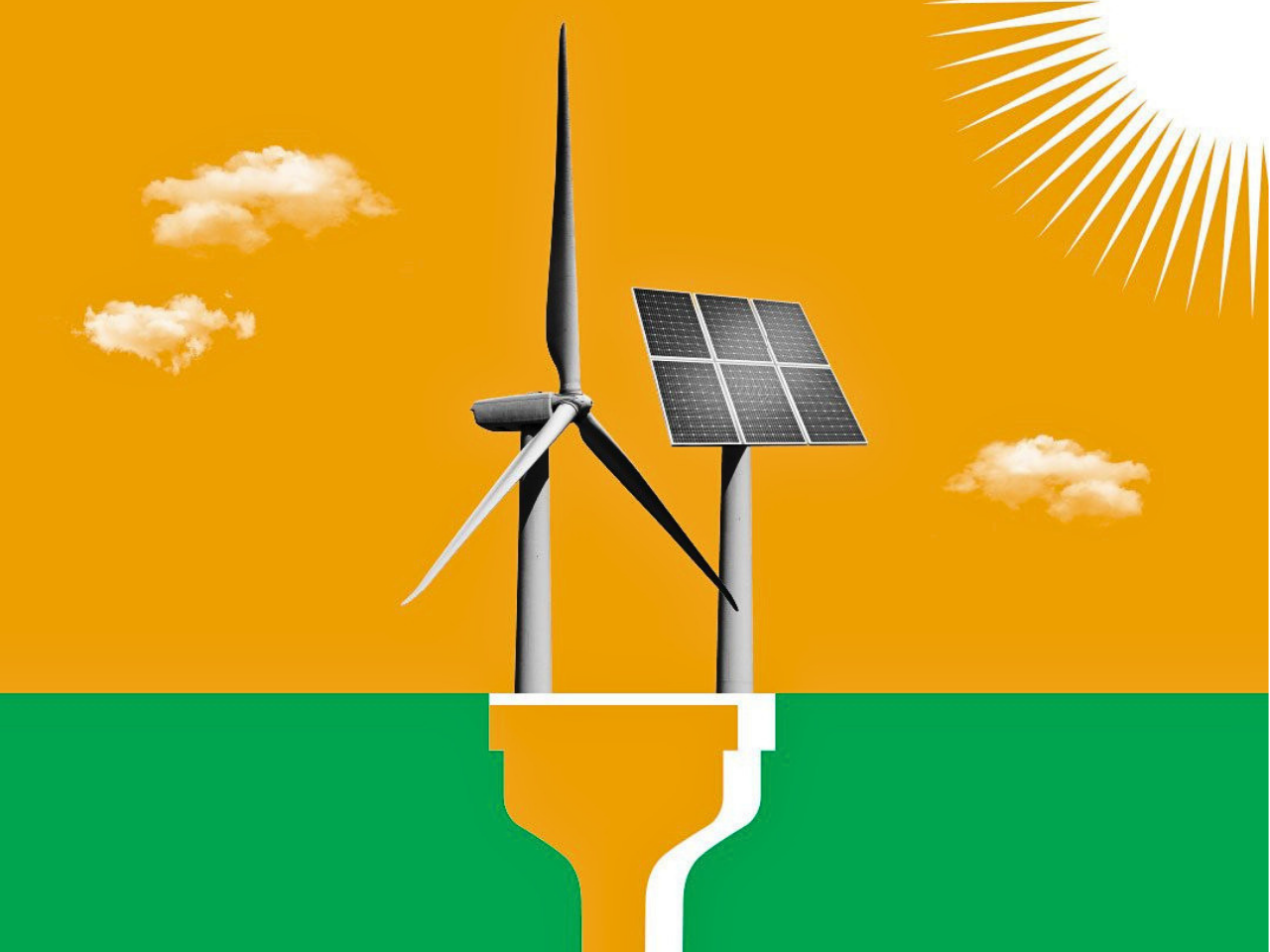
The image represent the clean energy
Image source: UN Environment Programme

In addressing climate change and developing a sustainable future, renewable energy is one of the most important tools available. Burning fossil fuels for electric power or heating produces the majority of greenhouse gases that contribute to the greenhouse effect in the atmosphere.

- Advertisement -

According to 2023 data, the global power sector overtook all other sectors as the largest source of greenhouse gas emissions. Reducing global greenhouse gas emissions will be necessary, nearly by half by 2030, to reach net-zero emissions by 2050 to avoid the worst impacts of climate change. Transitioning away from burning fossil fuels towards green, clean, cost-effective, reliable, and accessible energy systems to achieve this goal.

Renewable energy sources such as solar, wind, hydroelectric, organic material, and geothermal energy will be produced naturally and with few or no greenhouse gases or other pollutants. While the use of fossil fuels is currently about 60% of the world’s electric generation, renewable energy utilization has substantially increased in the last few years. From 2015 to 2024, there have been approximately 2,600 gigawatts of renewable energy generation capacity, which approximates to a cumulative total of +140% of renewable generation capacity, while fossil fuel generation capacity has grown only limitedly over the same time period. Fossil fuels are more plentiful than renewable energy; therefore, the majority of countries are able to meet their future energy requirements. The vast majority of the world (80%) is currently using fossil fuels for their energy needs and, therefore, is susceptible to disruption due to changes in the geopolitics. In addition to being widespread and abundant throughout the world, renewable energy will allow countries to achieve 90% of their electric production needs by 2050. 

In the last few years, renewable sources of energy have become the cheapest way to generate electricity in many parts of the world. Currently, more than 90 percent of all new renewable electricity generation projects are cheaper than fossil-fuel-based options. In addition to providing lower-cost electricity, the use of renewable sources of energy also has positive impacts on public health by reducing air pollution, which results in millions of premature deaths every year. Creating jobs and driving economic growth are also two major benefits associated with the transition to clean energy through renewable sources of energy. Therefore, the transition to clean energy through renewable sources of energy is beneficial to both society and the environment.


Latest News
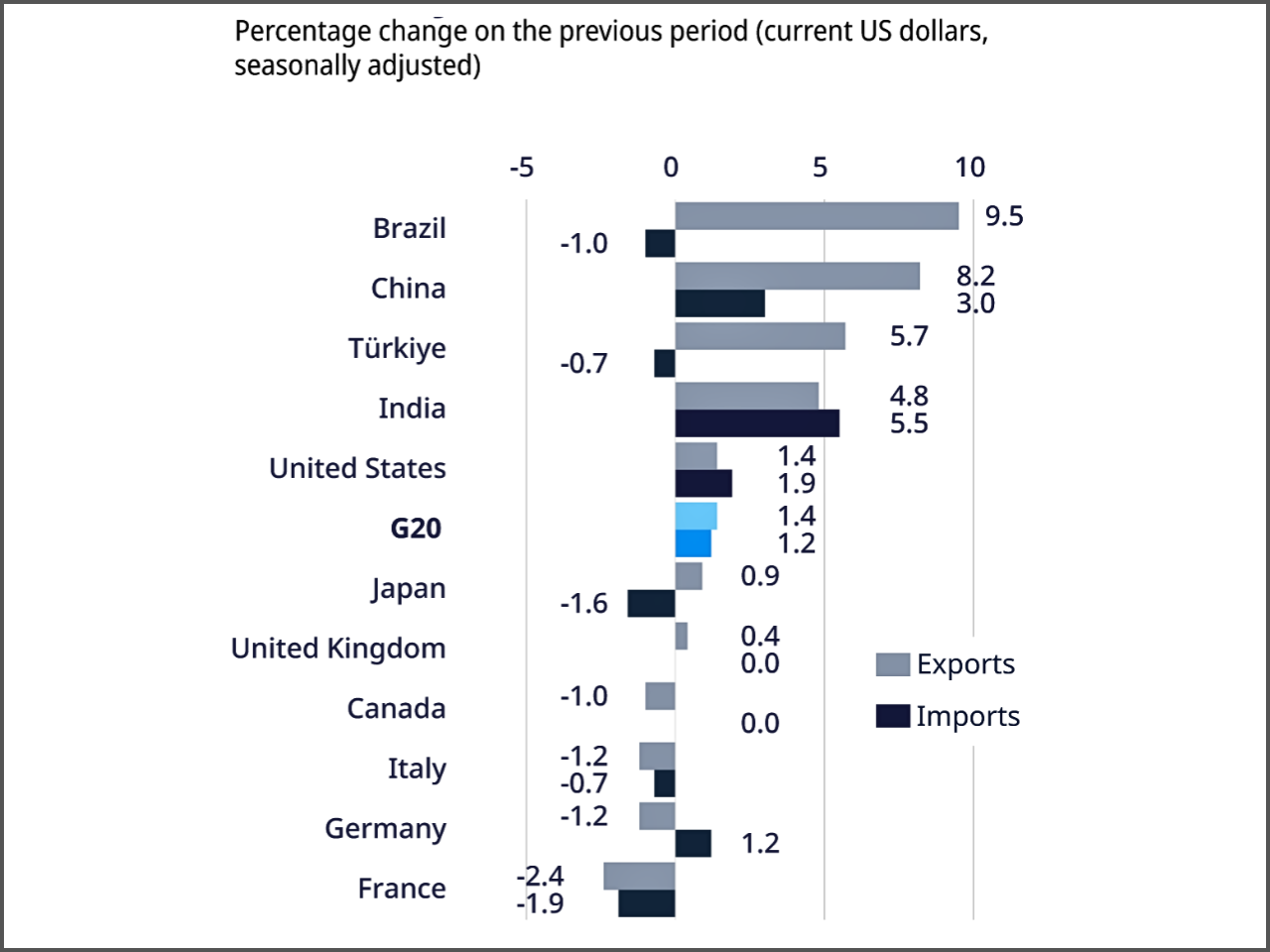
The graph represent the G20 service trade epanded modestly in Q4 2025

The image represent the UK and EU Sign Competition Cooperation Agreement, Strengthening Post-Brexit Ties

The image represent the cybersecurity measure to the globally

- Advertisement -
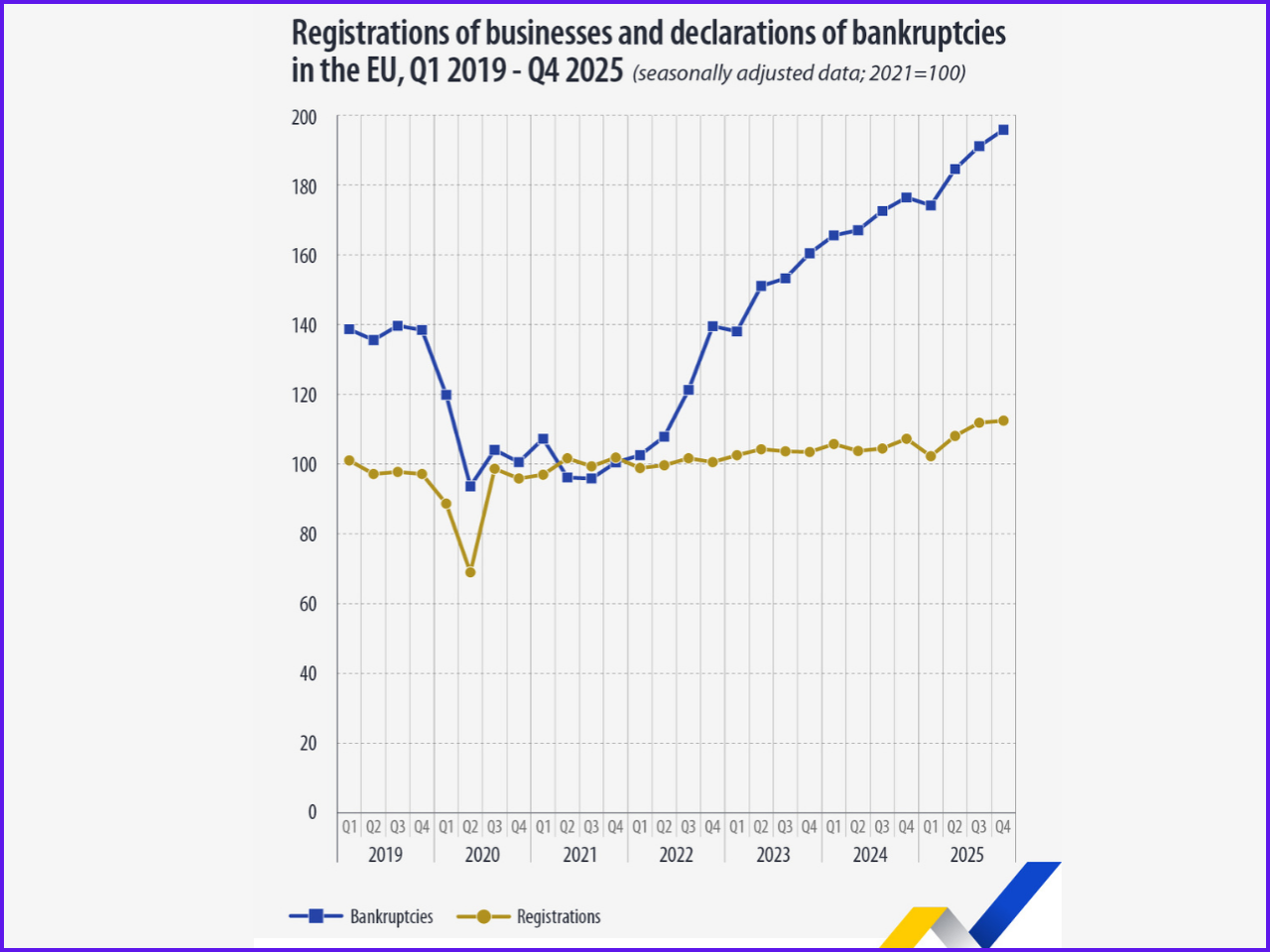
The graph repesent the EU-registration of business and declaration of bankruptcies

The image repesent the philippines, finance minister in public stage talk

Read More From News >>>

Latest Explained
Bond-stock correlation trends analysis
Explained / April 01, 2026
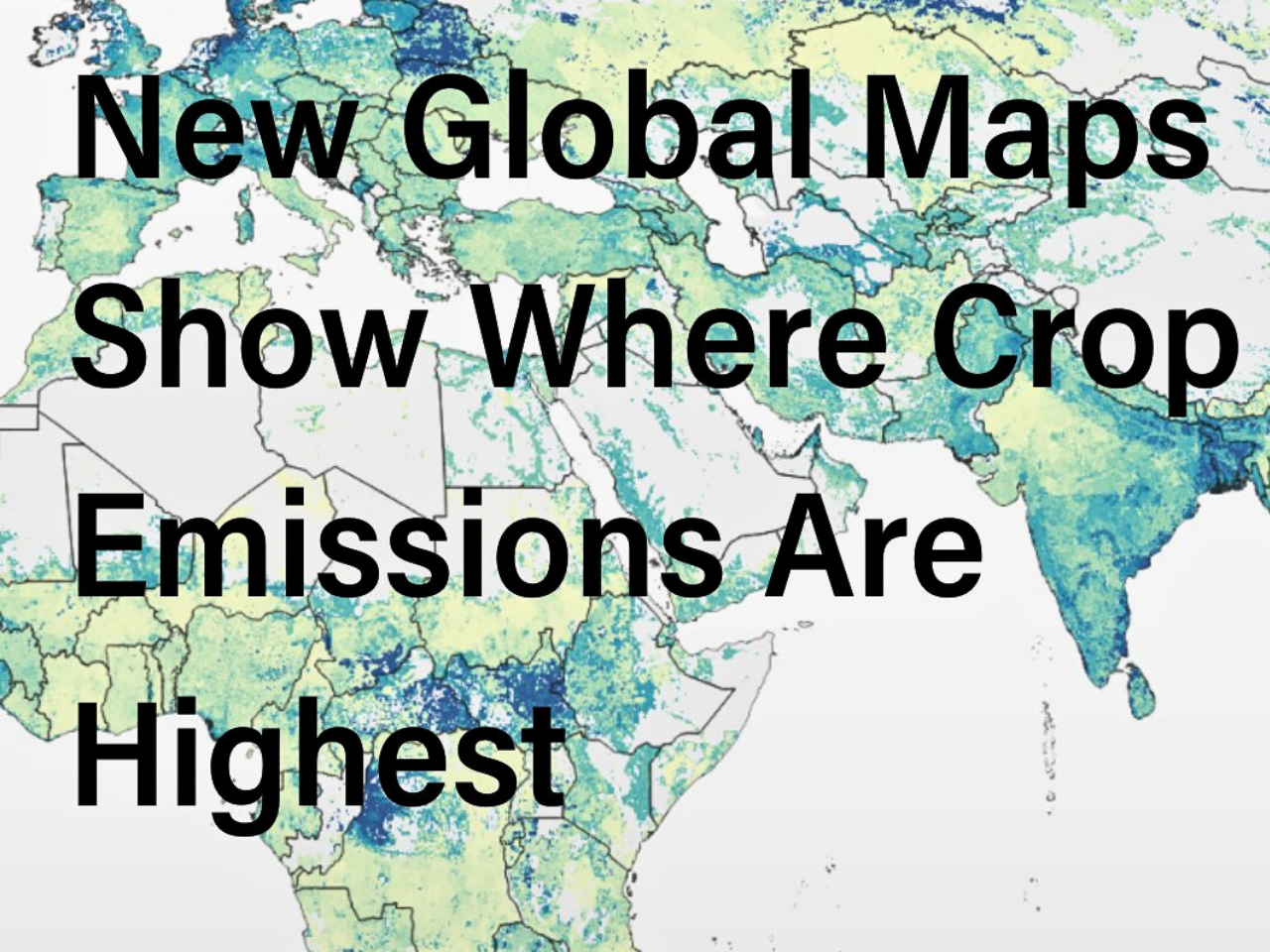
Crop Emissions Exposed: How Rice, Corn, and Palm Oil Are Heating Up the Planet

Emissions from drained peatlands rose slightly in Southeast Asia, though uncertainties remain in data estimates. Feeding a projected global population of nearly 10 billion by 2050 without sharply increasing emissions presents a critical challenge. Due to staple crops being the building blocks of food security, cultural identity, and livelihoods, replacing these crops is not an option that either makes sense or is desirable.

Bond-stock correlation trends analysis
Explained / March 31, 2026
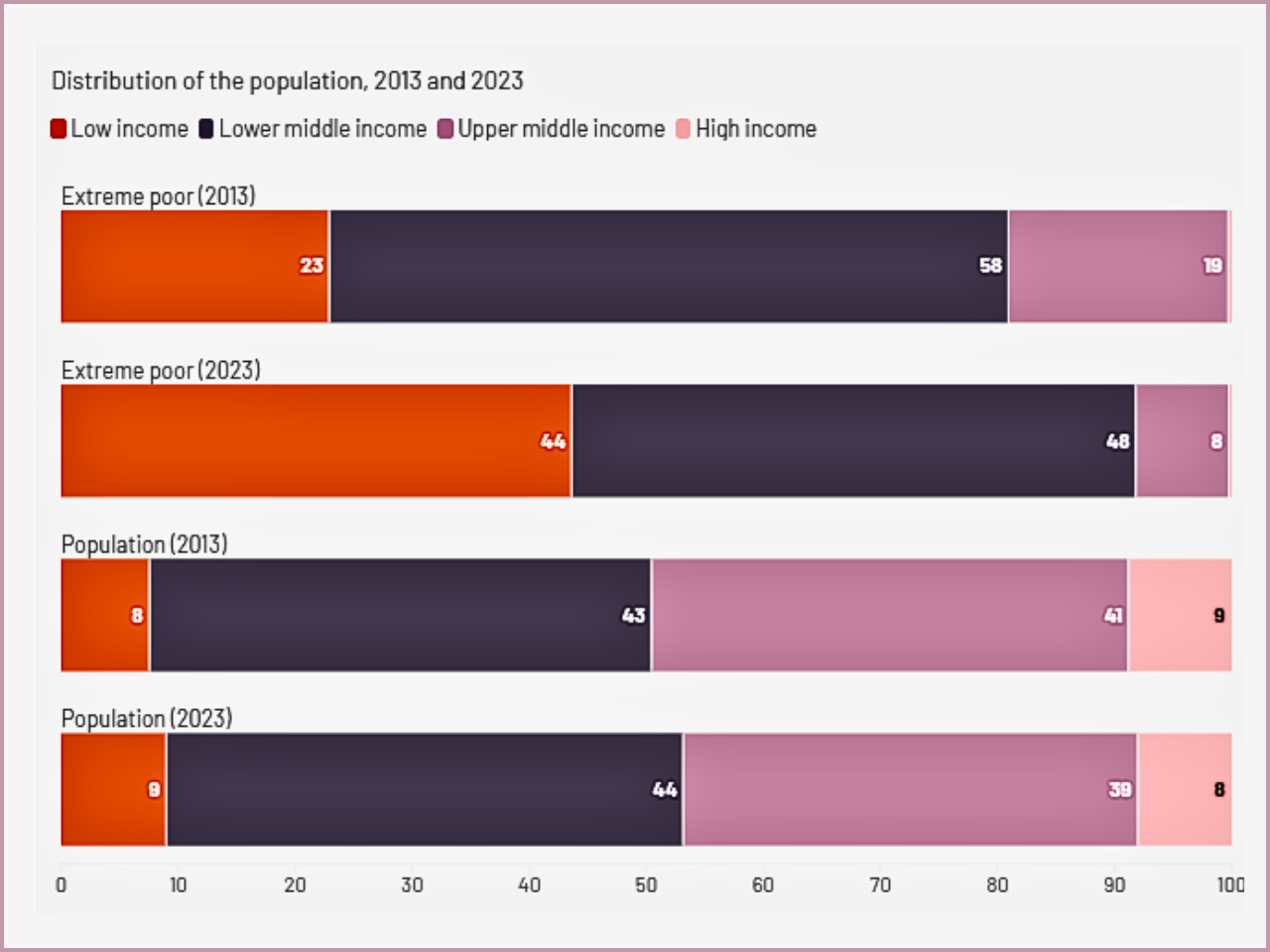
Global Poverty Shifts: Africa, Children Bear Brunt of Extreme Poverty

The percentage of people living in extreme poverty in rural areas of sub-Saharan Africa increased dramatically from 33 percent in 2013 to 53 percent as of 2023. The percentage of the world’s total poor who reside in urban areas of Africa has more than doubled since 2013, despite urban areas of Africa comprising a small proportion of the global population. There has been a significant change in terms of who makes up the population that falls below the poverty line today.

Bond-stock correlation trends analysis
Explained / March 30, 2026
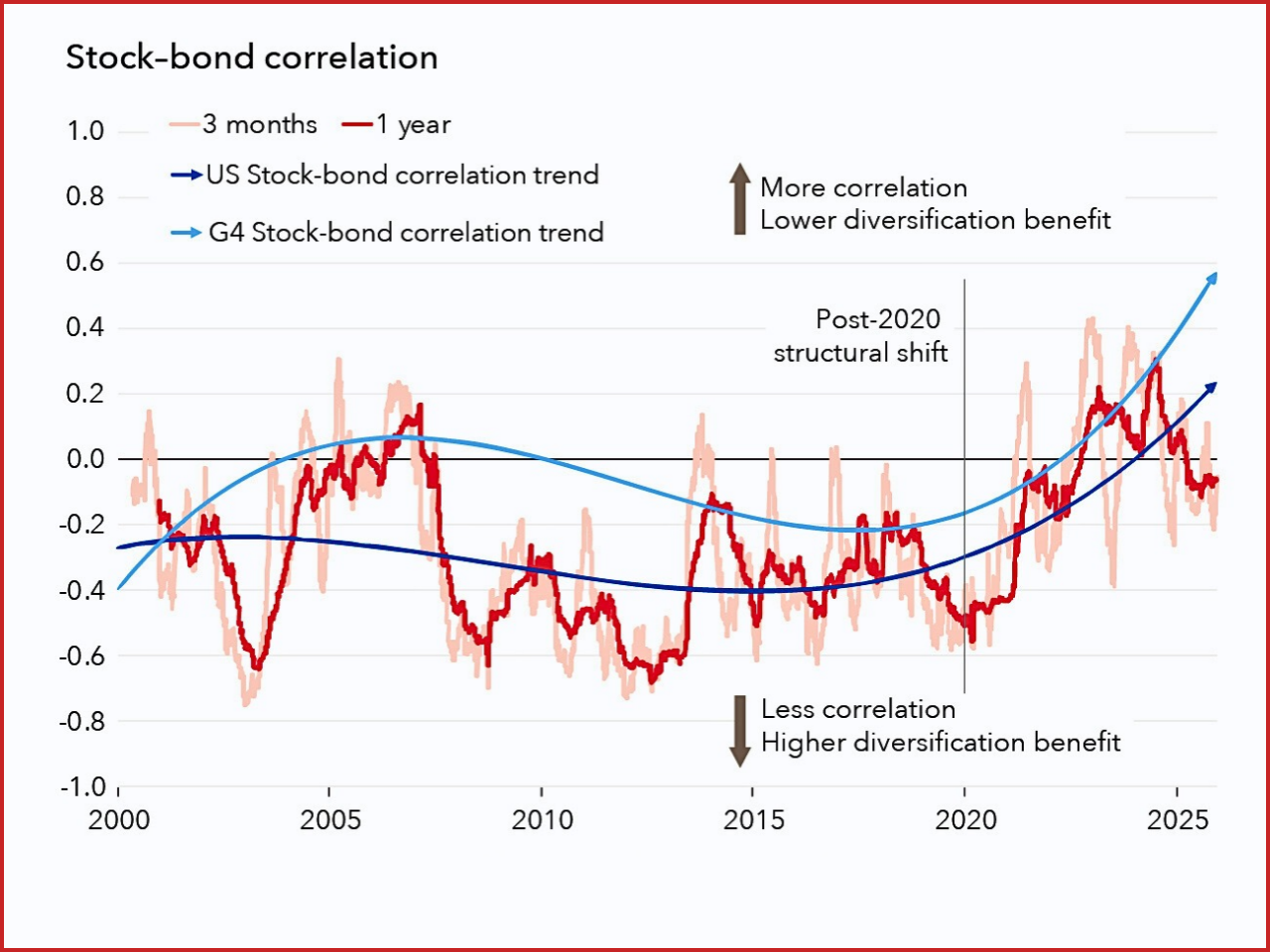
Stock-Bond Correlation Shift: Is the Traditional Hedge Broken

According to IMF analysis, the stock and bond returns have been trending in the same way, mainly on acute selloffs, since early 2020. Rather than bonds covering the losses of equity, the two asset classes have sometimes declined in tandem, eliminating the diversification advantages. It seems that the shift started towards the end of 2019 and accelerated with the supply shocks prompted by the pandemic, which created global inflation.


Editorial / Nilarani
Jobs at the Forefront: World Bank's Strategy for a Resilient Global Economy

The World Bank Group has focused on five key industries in which there is great potential for creating employment opportunities: the energy and infrastructure sector, agriculture and agribusiness, health care, tourism, and manufacturing. Each of these sectors is interconnected with the other and supports the creation and development of many job opportunities and a broad-based development strategy.

Editorial / Avichal Sharma
The Gathering Storm: How Trump's Tariffs Forged BRICS Unity

In a world long dominated by the financial tides of the US dollar, a new story is unfolding, driven not by a grand, planned design but by an unexpected external force: the tariff policies of Donald Trump. Trump's renewed presidency saw him sign an executive order in early 2025, first imposing tariffs on imports from China, then escalating to a "universal" tariff on nearly all imports.

- Advertisement -
Read More From Blog >>>


- Advertisement -