Nobel Economics Prize 2025: Unlocking Innovation-Driven Growth

On 13th October, 2025, the Royal Swedish Academy of Sciences honoured the Nobel prize in economic sciences for the Nobel laureate Joel Mokyr, Philippe Aghion, and Peter Howitt. The award acknowledges their compelling works in elucidating the way innovation becomes the genesis of sustained economic growth. Their aggregate output helps illuminate one of the hallmarks of the contemporary economy, the continuous increase in productivity and the increase in living standards.
Long stagnation periods in economies have been the norm in the history of humankind. New tools or techniques sometimes come into existence, but these innovations rarely lead to sustained gains in per-capita income. However, the last two hundred years and particularly in the industrialised countries, have been characterised by unabated economic growth. This study by Mokyr, Aghion, and Howitt assists one in understanding the reasons why this change took place and the circumstances that permit it to persist. The Comprehension of the Period of Long-term Growth. The constant improvement in the economy is not that old. Before the Industrial Revolution, technological advancements were random, and they tended not to produce cumulative returns. A growth in the output is usually neutralised by the population growth, and there is no significant change in the average living standards. This historical trend brings out one central question: What makes innovation become self-affirming instead of being solitary? Joel Mokyr answers this question using a historical and an institutional approach. He states that technological advancement does not only demand practical experimentation. To make innovation continuous, societies have to come up with scientific explanations that define the role of technology. Mokyr calls this the accumulation of useful knowledge, which allows subsequent innovators to transform, advance and build on the discoveries made before. In addition to knowledge, Mokyr emphasised social and institutional settings. Open, disagree, and tolerant societies that are ready to go outside the box and accept dissent provide good environments to undergo ongoing innovation. Thus, the long-term economic growth is not only a technological product but a cultural product as well as an institutional product.
Theory of Creative Destruction and Modern Growth Aghion and Howitt provide a formal explanation of the reasons that innovation brings about growth in modern economies, although Mokyr considers historical foundations. Their creative destruction theory was designed in the early 1990s and was based on previous concepts related to Joseph Schumpeter, but put them into a strict analysis framework. Creative destruction is the process through which newer technologies and products are always replacing the older ones. Enterprises that launch high-quality innovations in the short run achieve the benefit, which is later lost to other innovations. The economic growth in this model is a product of a continuous process of technological advancements as opposed to mere capital accumulation. One of the main details about the Aghion and Howitt framework is that innovation is reliant on the institutional incentives. Rivalry, property security and the prospect of returns on innovation attract firms to invest in R&D; at the same time, too much protection of established firms may stifle innovation by inhibiting entry and decreasing the intensity of competition. Thus, the development over the long term should be a matter of a delicate balance between the need to reward innovators and the need to keep the competition high.
Inequality, Disruption, and Institutional Tensions One of the important contributions to the work of the laureates is the fact that they realise that innovation is disruptive. Despite the fact that creative destruction will boost productivity and earnings in the long run, it will cost in the short run. Companies that are based on out-of-date technologies can go bankrupt, employees can lose their jobs, and certain areas will experience economic depression. Aghion and Howitt point to the opposition to innovation that these distributional effects create. Incumbent companies and organised interest groups usually aim at countering technological change to protect their roles. If such resistance takes over, innovation can be slowed down, which jeopardises long-term growth. This point of view has significant implications for the policies of the people. It is not enough to promote innovation, but governments should take care of its social impacts. The system of education and training, flexible labour markets, and an efficient social protection also assist workers in adjusting to technological changes. In case of the weakness of such institutions, the likelihood of people opposing innovation can go higher, thus jeopardising future growth.
Modern Relevance of Growth, which is driven by Innovation. It is especially applicable to the modern economic landscape that is rapidly developing. Similar to production and labour markets, digital technologies, automation, and artificial intelligence are defining a new trend of changing the production and labour market faster than ever. Although the developments are expected to generate a high level of productivity, they also present the issue of inequality, displacement of jobs, and market concentration.
The fact that Mokyr values scientific knowledge shows that it is necessary to invest in education and research. At the same time, the analysis provided by Aghion and Howitt highlights the necessity of the presence of competitive institutions that could help to promote innovation and prevent monopolistic stagnation. Combined, their efforts imply that economic growth is not automatic and certain. According to John Hassler, the Chair of the Nobel Committee of Economic Sciences, societies ought to take a proactive role to maintain the engines that enable creative destruction to take place. This includes sponsoring research centres, promoting competition, safeguarding intellectual property and being open to novel ideas and developments. The Nobel Prize in Economic Sciences, 2025, is a bunch of ideas that bring a deeper insight into our knowledge of economic growth. Joel Mokyr describes the way of sustained innovation to be achieved through the preservation of knowledge and the progress of open institutions. Aghion and Peter Howitt reveal the dynamics of innovation in the decision-making process of modern economies based on creative destruction. Through their joint efforts, they managed to show that the interaction of the technologies, the institutions and the social structure is what creates the successful long-term economic growth. The driver of progress is innovation, which also brings disruptions that have to be properly handled. The key lesson here is apparent to policymakers, researchers, and economics students: continued prosperity is not only based on the ability to generate new ideas but on the institutions that can sustain the continuous and transformative change.
ADVERTISEMENT

Our Latest Blog
2025 Global FDI Trends: Divergence, Opportunities, and Risks in International Investment

The Evolution of Health Economics: Navigating Complexity and Shaping the Future of Healthcare
Latest News
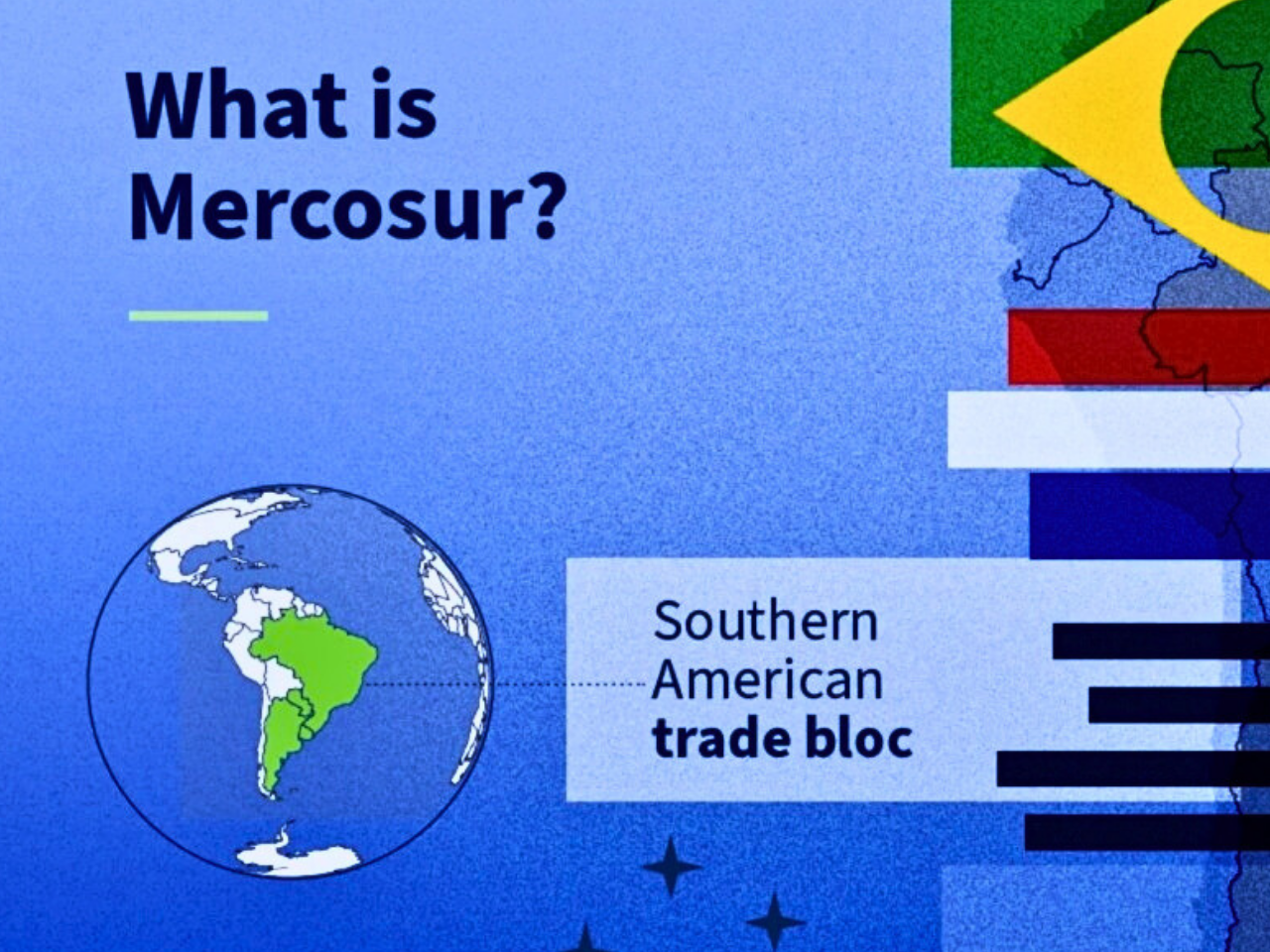
EU-Mercosur Trade Deal: A Game-Changer or a Threat to European Farmers?
The European Council completed its negotiations with Mercosur (Argentina, Brazil, Paraguay, and Uruguay) for a trade agreement. The largest bilateral trading relationships in the world, allowing both geographical areas access to the respective markets of over 700 million consumers, with a current total value of trade in goods being more than €111 billion annually throughout the globe.
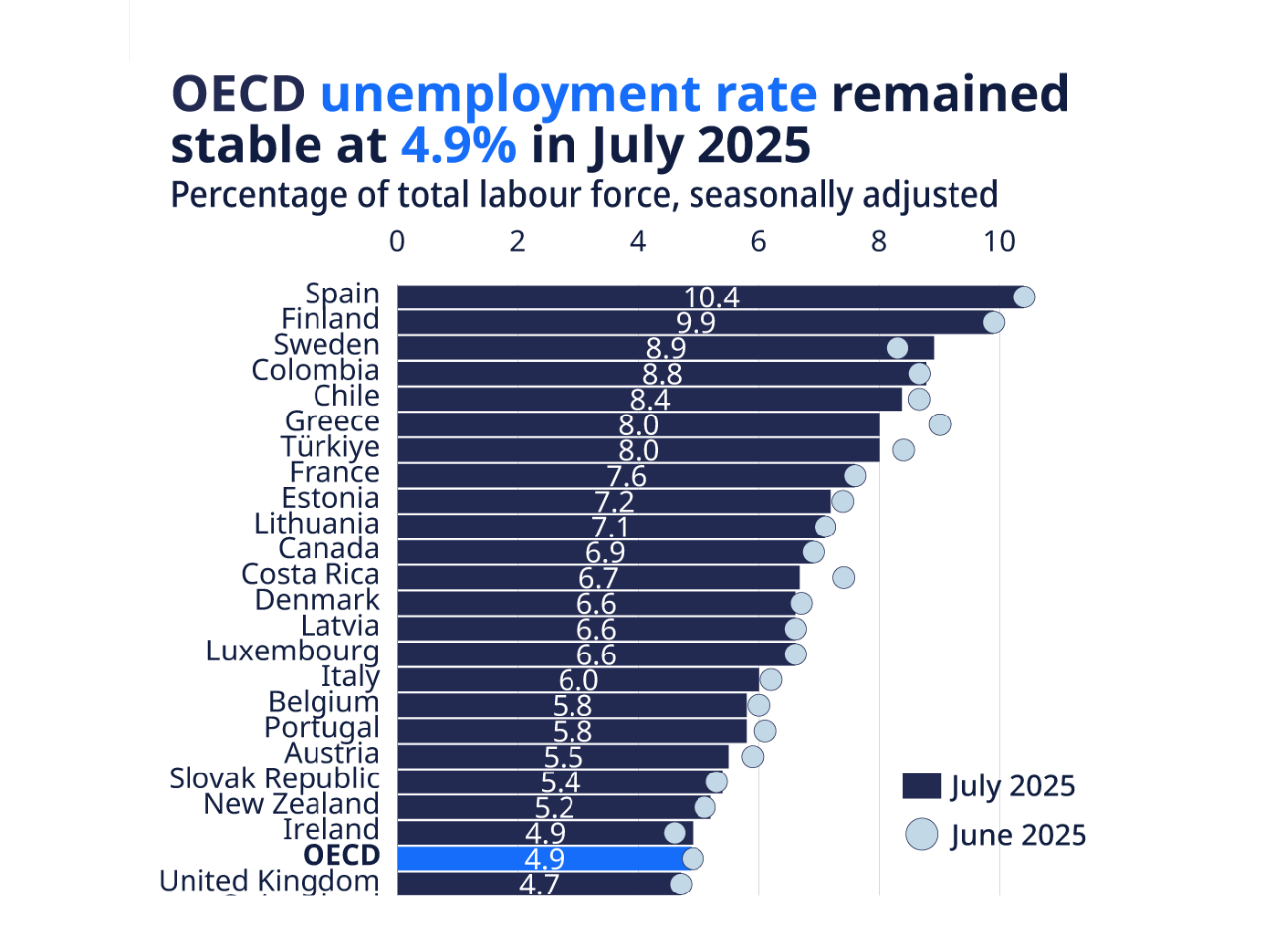
OECD Unemployment Rate Remains Stable at 4.9% in July 2025
The unemployment rate was steady in 20 countries and dropped in 11 countries. Greece and Norway saw the greatest declines, and it increased slightly in Ireland and Sweden. In some countries like Japan, Korea, and Slovenia, the unemployment ratio is less, which is below 3 percent, and 14 other countries reached a minimum of 1 percent higher than their all-time lows
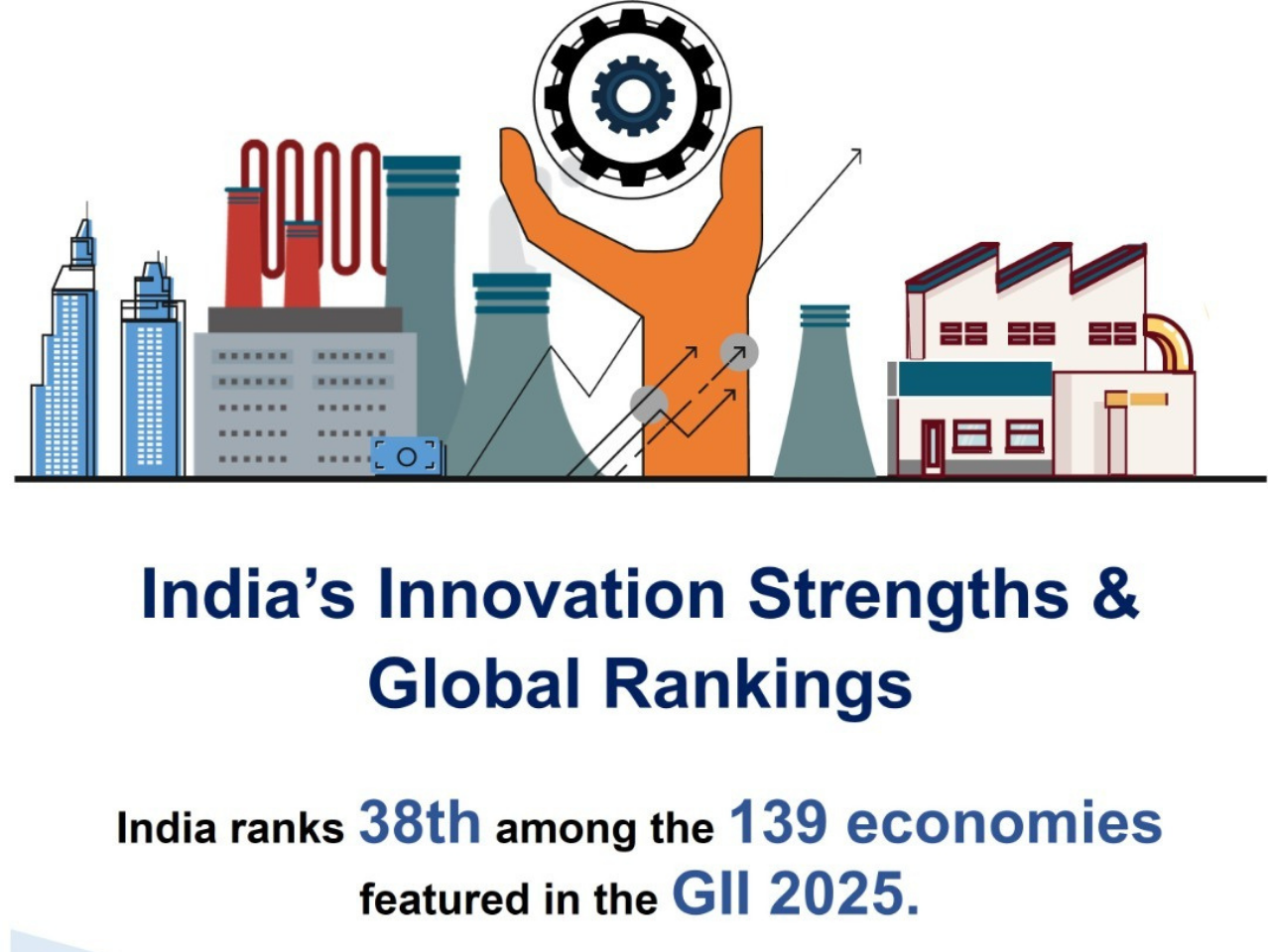
2025 Global Innovation Index: Switzerland Tops Rankings, China Enters Top 10 for First Time
As stated by WIPO’s 2025 Global Innovation Index (GII), Switzerland ranks first and is followed by Sweden, the United States of America, the Republic of Korea, and Singapore. The Netherlands, Denmark, Finland, the United Kingdom, and China (which ranked in the top 10 for the first time) complete the list. The GII uses over 80 factors to assess roughly 140 economies, including high-tech exports, venture capital, R&D levels, and IP registration statistics
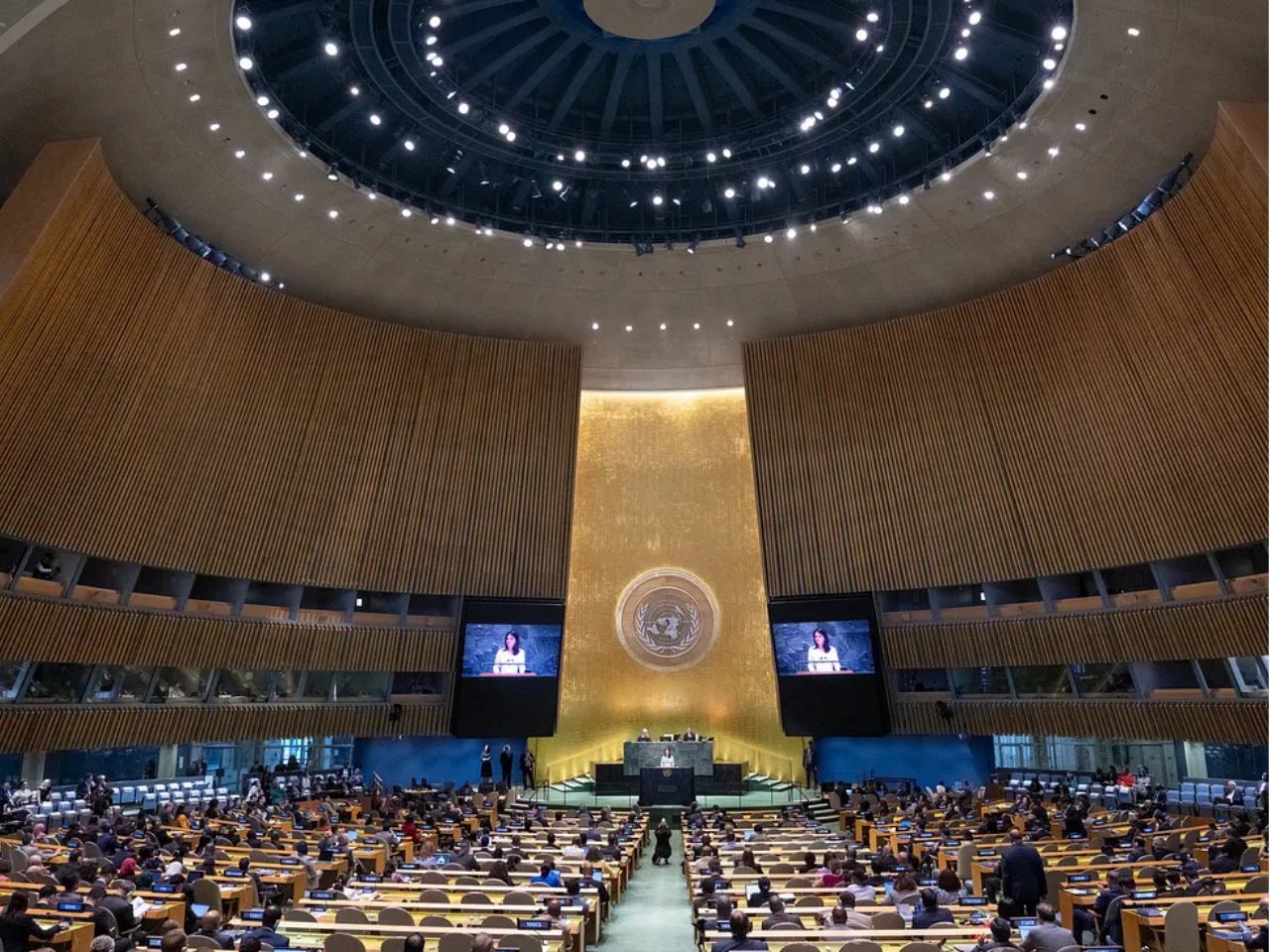
Uniting for a Better Future: UNGA 80 Marks 80 Years of Global Cooperation and Action
High-level government and civil society representatives gather throughout the city every September to work together to address the most pressing problems affecting society worldwide. There is more excitement this year because it is the UN’s 80th session, which is a significant milestone. Thus, there will be opportunities for introspection about the UN, as well as to establish actions for future work
India's Ports and Shipping Industry Set for $82 Billion Investment Boost
India’s ports and shipping industry are changing rapidly, and more than $82 billion in investments are expected in the wake of all the infrastructure projects designed to create greater efficiency and promote economic growth. The economy and processed over 819 million metric tonnes (MMT) of cargo at major Indian ports in FY 2023-24, reflecting the industry’s growing capacity

Global School Meal Programs Soar: 466 Million Children Fed, 80 Million More Than in 2020
The World Food Programme notes that approximately 80 million more children now receive school meals than in 2020, bringing the total to about 466 million, a 20% increase overall. The increase in coverage is strongest at the points of greatest need: low-income countries increased coverage by roughly 60% in two years, and in Africa, there are about 20 million new daily school meals being served