EU-Mercosur Trade Deal: A Game-Changer or a Threat to European Farmers?
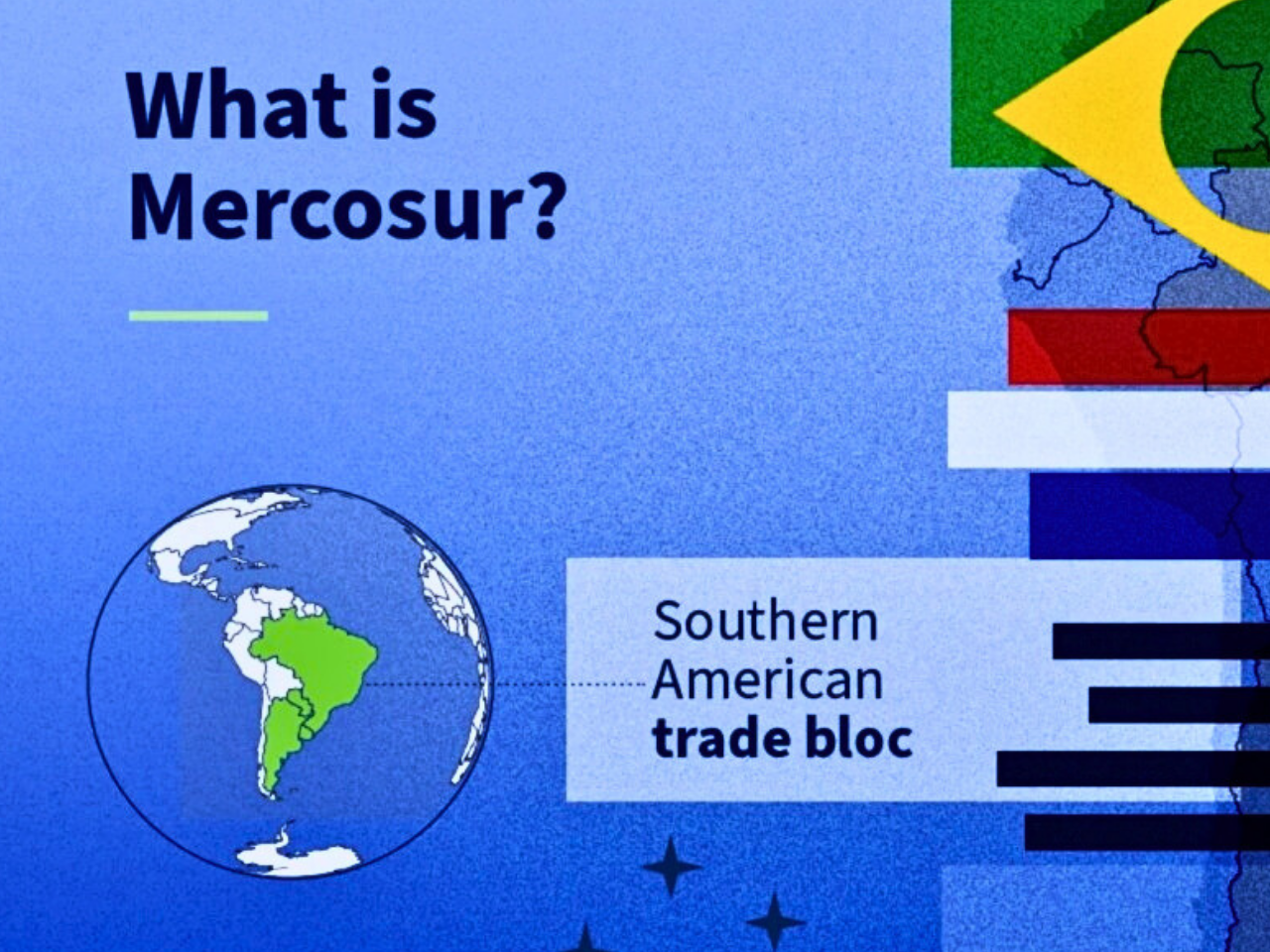
On 9 January of the year 2026, the European Council completed its negotiations with Mercosur (Argentina, Brazil, Paraguay, and Uruguay) for a trade agreement; however, it cannot enter into force until the approval of the European Parliament has been given.
This agreement is expected to establish one of the largest bilateral trading relationships in the world, allowing both geographical areas access to the respective markets of over 700 million consumers, with a current total value of trade in goods being more than €111 billion annually throughout the globe. Both parties have almost equal amounts of goods traded, either sent to or returned from, along with an approximately equal amount of trade in services. The agreement provides for the phased elimination of duties on over 90 per cent of products exported/imported between both countries throughout the duration of a long transition period and enhances EU access to Mercosur markets for machinery, chemical products, transport equipment, pharmaceuticals, and all related services. The EU exporter community is expected to gain notably due to monetary savings from the elimination of tariffs over the multi-year transition.
European farmers and environmental advocates are amongst the most vocal critics of the agreement, arguing that cheaper imports will drive down the prices and erode their market share, raise questions about the safety and environmental standards of imported foods, and also undermine the social harmony of European-based agriculture. The agreement includes negotiated safeguard provisions for sensitive products, which will permit temporary reinstatement of tariffs on those products when necessary..
The vote by member states to approve the agreement has drawn significant opposition from France, Ireland, and Poland and highlights the continuing political and sectoral disagreements about the agreement. However, many parties involved with the agreement see its potential strategic strength in terms of developing trade opportunities with other parts of the world and creating even greater competition for the European Union-based industry.

ADVERTISEMENT

Latest News
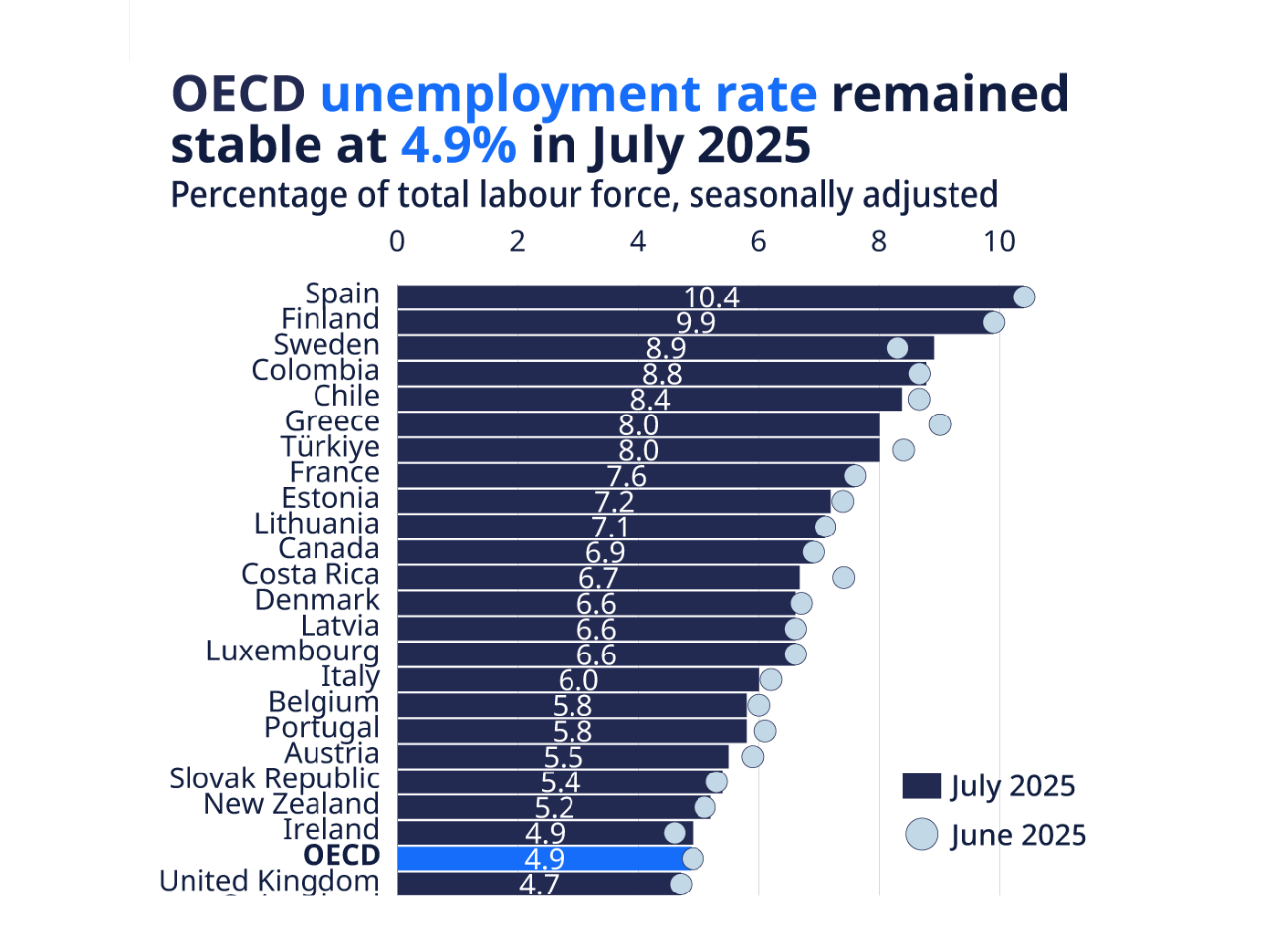
OECD Unemployment Rate Remains Stable at 4.9% in July 2025
The unemployment rate was steady in 20 countries and dropped in 11 countries. Greece and Norway saw the greatest declines, and it increased slightly in Ireland and Sweden. In some countries like Japan, Korea, and Slovenia, the unemployment ratio is less, which is below 3 percent, and 14 other countries reached a minimum of 1 percent higher than their all-time lows
2025 Global Innovation Index: Switzerland Tops Rankings, China Enters Top 10 for First Time
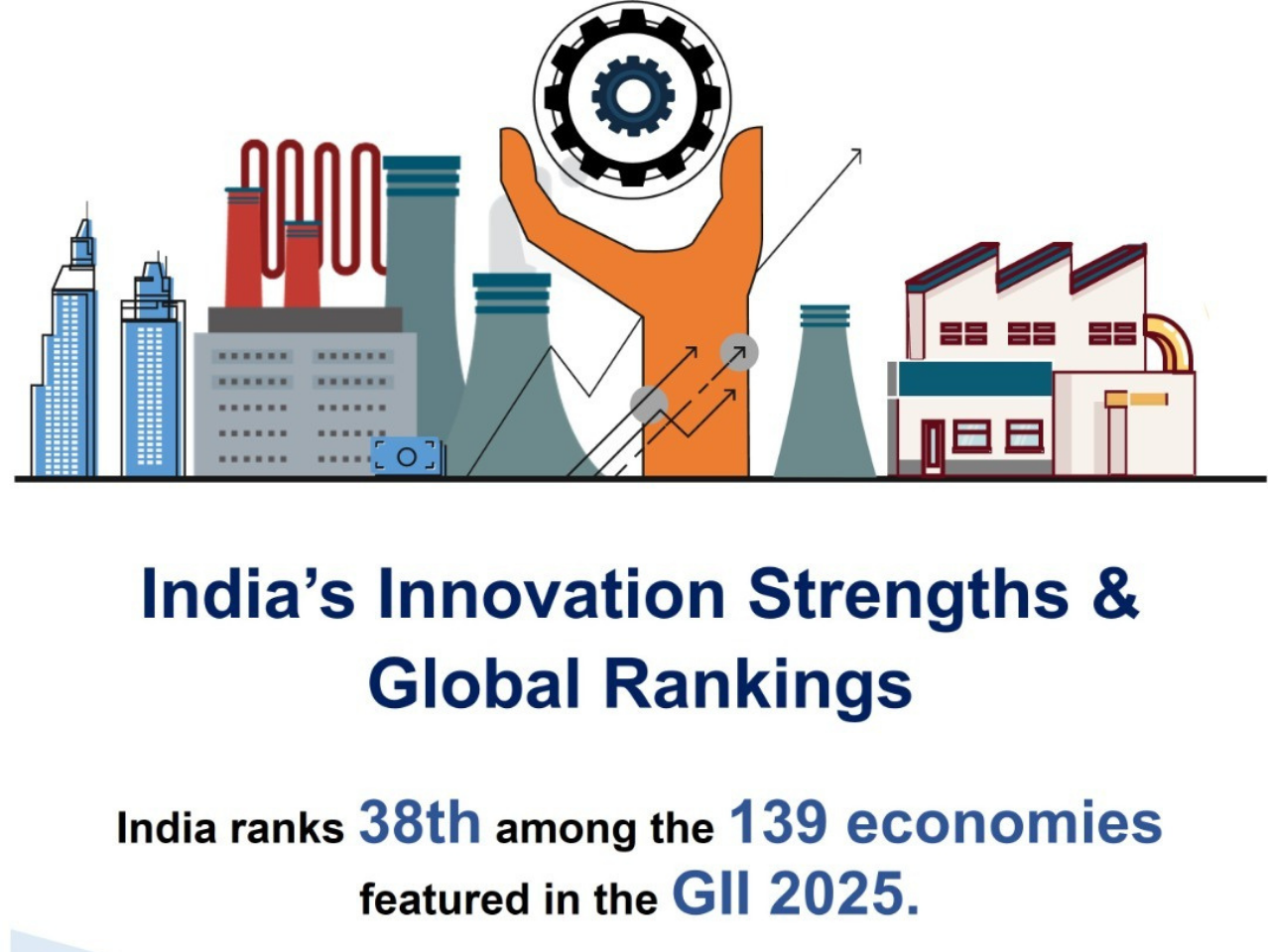
As stated by WIPO’s 2025 Global Innovation Index (GII), Switzerland ranks first and is followed by Sweden, the United States of America, the Republic of Korea, and Singapore. The Netherlands, Denmark, Finland, the United Kingdom, and China (which ranked in the top 10 for the first time) complete the list. The GII uses over 80 factors to assess roughly 140 economies, including high-tech exports, venture capital, R&D levels, and IP registration statistics
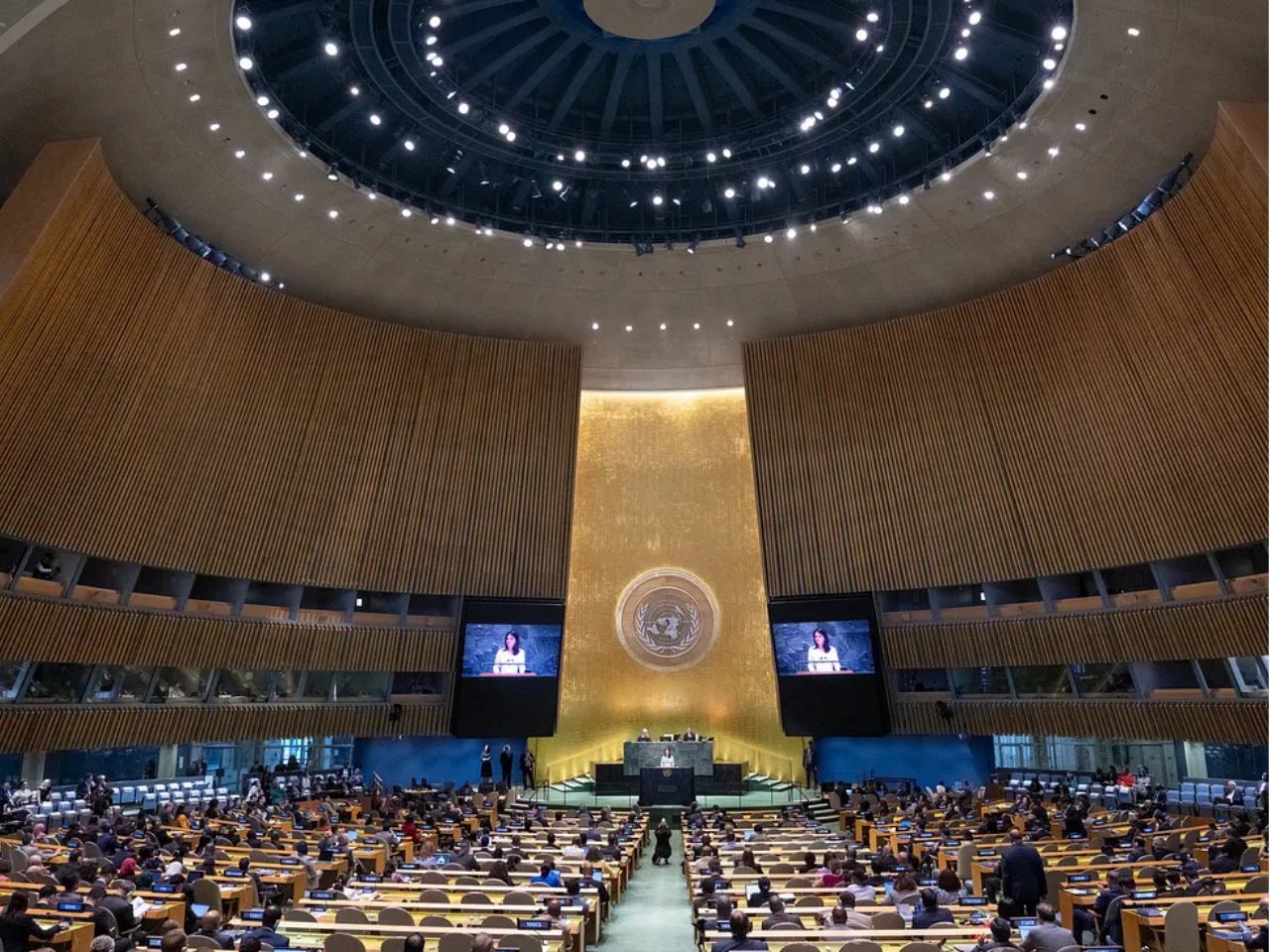
Uniting for a Better Future: UNGA 80 Marks 80 Years of Global Cooperation and Action
High-level government and civil society representatives gather throughout the city every September to work together to address the most pressing problems affecting society worldwide. There is more excitement this year because it is the UN’s 80th session, which is a significant milestone. Thus, there will be opportunities for introspection about the UN, as well as to establish actions for future work
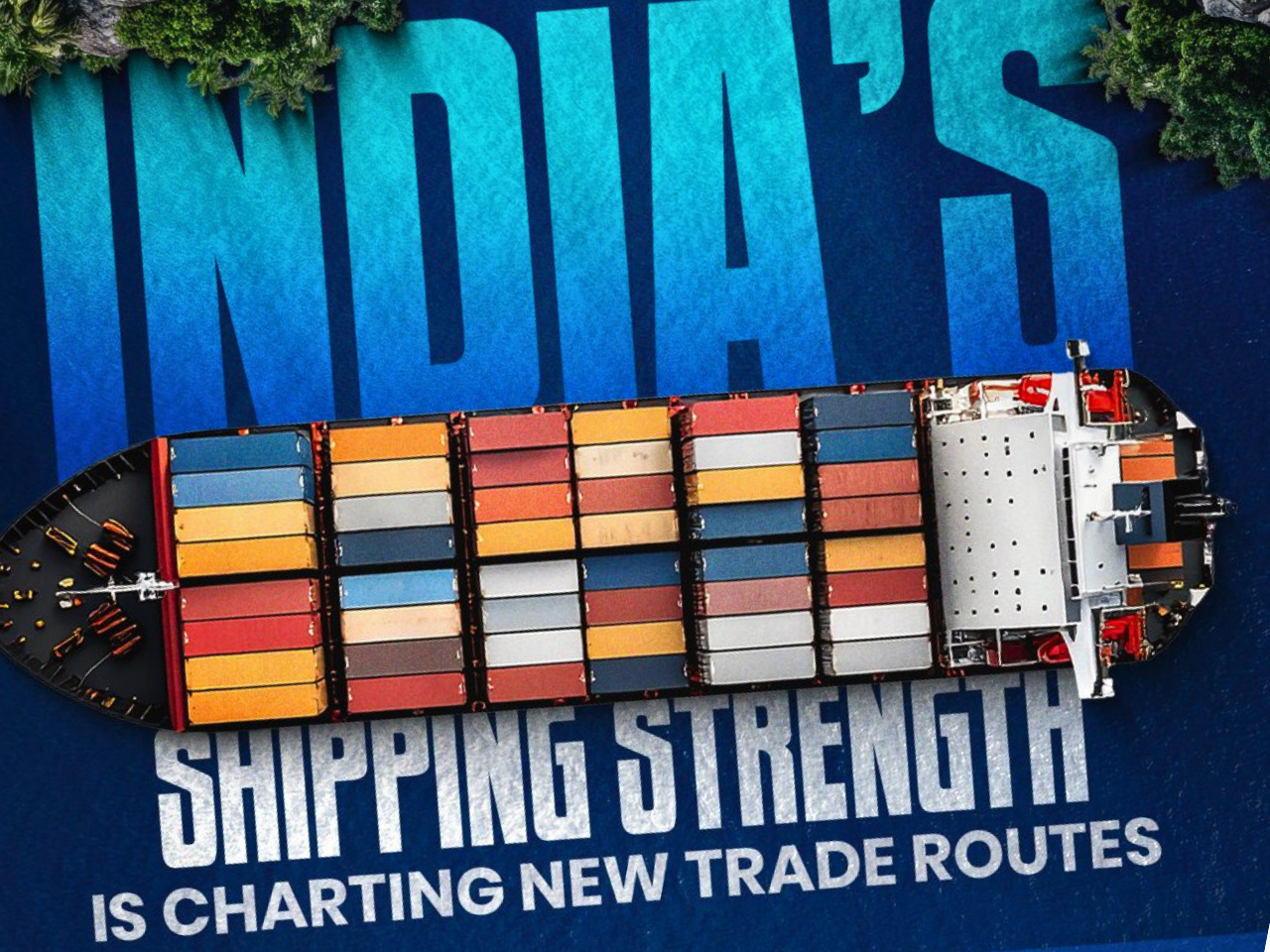
India's Ports and Shipping Industry Set for $82 Billion Investment Boost
India’s ports and shipping industry are changing rapidly, and more than $82 billion in investments are expected in the wake of all the infrastructure projects designed to create greater efficiency and promote economic growth. The economy and processed over 819 million metric tonnes (MMT) of cargo at major Indian ports in FY 2023-24, reflecting the industry’s growing capacity
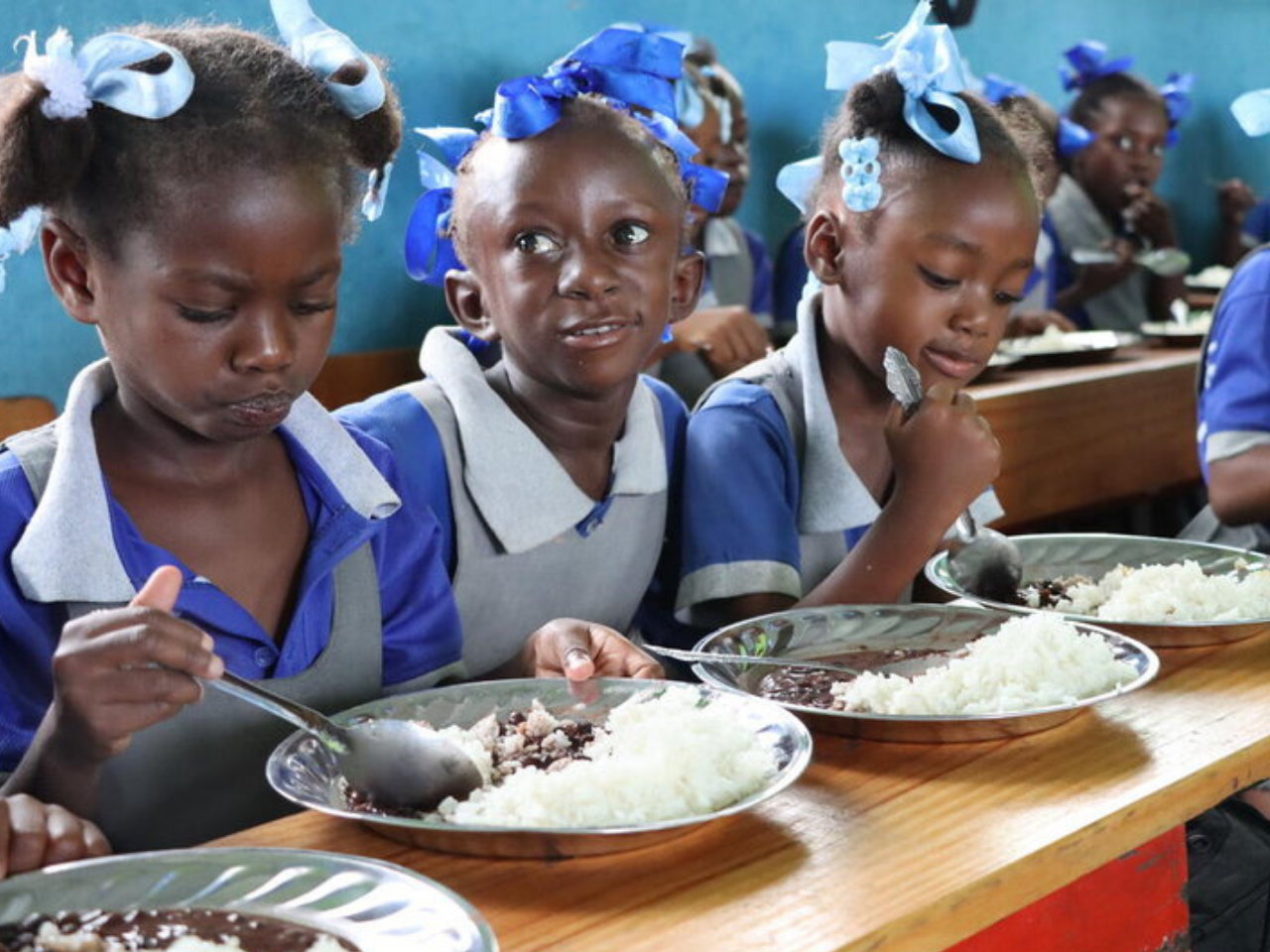
Global School Meal Programs Soar: 466 Million Children Fed, 80 Million More Than in 2020
The World Food Programme notes that approximately 80 million more children now receive school meals than in 2020, bringing the total to about 466 million, a 20% increase overall. The increase in coverage is strongest at the points of greatest need: low-income countries increased coverage by roughly 60% in two years, and in Africa, there are about 20 million new daily school meals being served
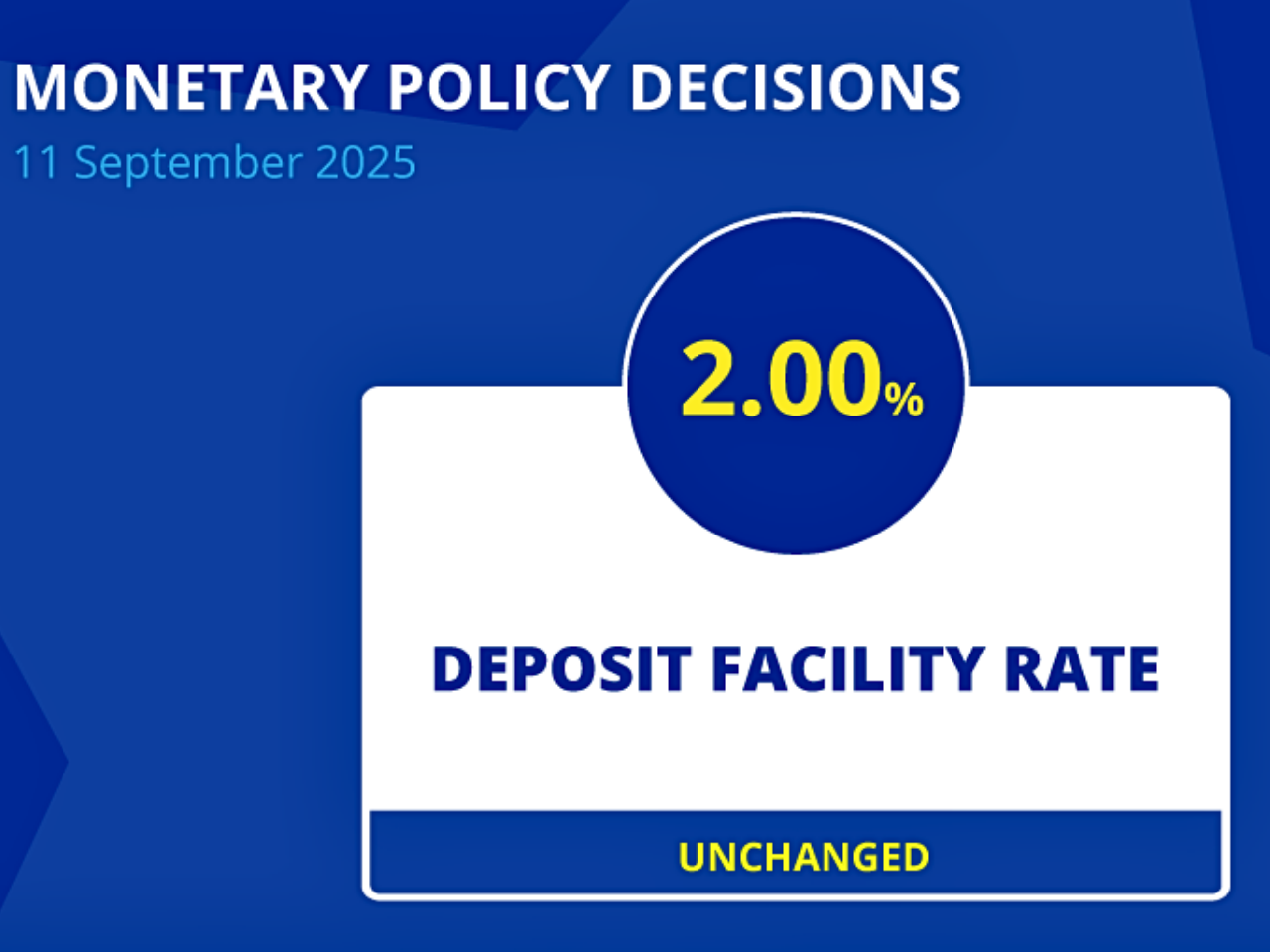
ECB Maintains Interest Rates Amid Stable Inflation and Moderate Growth
The European Central Bank has decided to keep interest rates unchanged, citing stable inflation and moderate economic growth amidst global uncertainty. Financial stability continues to be helpful towards growth. The interest rates by commercial entities are lower, and loans against property are stable, which helps the expansion of credit
India's Economy Shows Resilience and Strong Growth Amid Global Uncertainty
The number of e-bills reached a record level, while the manufacturing PMI reached a 16-month peak, and the services continued to expand, along with the growing trade confidence. The trend of consumption was also healthy; rural demand was buoyed by a favorable monsoon, while urban markets showed strength through high FMCG sales, UPI transactions, and an increase in vehicle purchases