Global Agricultural Prices to Stabilize in 2026, But Uncertainty Looms
The World Bank’s agricultural outlook for global agricultural commodity prices in 2026 is one of relatively stable pricing, but with substantial uncertainty. World Bank Group forecasts indicate the agricultural price index is projected to drop about two percent by 2026. This lower price forecast balances projected supply increases versus projected demand increases, with the net effect of the expected overall risks to the global commodity markets on average likely to be offsetting. Prices for food and agricultural raw materials are expected to remain stable across most commodities as anticipated production increases will be comparable to increases in consumption. In contrast, beverage prices, particularly coffee and cocoa, are expected to decline approximately seven percent, primarily as a result of expanded production levels. Although overall price movements appear under control, the forecast will remain vulnerable to weather variability, broader macroeconomic conditions and trends, trade-related policy issues, and input cost changes.
A very important part of these predictions is an expectation for a slight decline in the rate of growth of the world economy. By 2026, the global economy is expected to expand by 2.6%, which is somewhat less than the 2.7% growth rate for 2025. This modest decline illustrates the strength of the world economy against higher levels of trade conflict and uncertainty surrounding public policy. Inventory building, strong investor appetite for risk, and high levels of investment in AI technologies are all providing support for economic activity; however, risks to the global economy remain heavily skewed to the downside. If the world economy experiences a severe downturn, this will likely decrease the level of demand for agricultural commodities; thus, prices will decrease as well (particularly for income-elastic agricultural products such as edible oils and beef). Commodity prices can also be affected greatly by fluctuations in the value of the US dollar. After depreciating in mid-2025, the value of the US dollar stabilized for much of the remainder of 2025, which resulted in increasing stability and less variance over time in agricultural prices during 2026. In addition, developments in monetary policy for the United States (in particular) are expected to be key in influencing agricultural price movements. By the end of December 2025, the Federal Reserve of the United States will have lowered the federal funds interest rate by around 30%, from 5.3% in 2024 to 3.60%. As a major consumer of U.S. grain, lower interest rates generally encourage more investment into commodities by foreign investors and reduce the costs for commodity producers to borrow funds to finance their production activities; both will indirectly provide downward pressure on the value of the U.S. dollar. Interest rate adjustment magnitudes and timings will also be key for U.S. agricultural pricing activity in the future. Global agriculture has been affected by trade issues that have created uncertainty. This can be seen in the way that tariffs and trading relationships changed between countries such as the U.S. and China, resulting in significant fluctuations in commodity prices over the course of 2025. The renewed tension between the two countries created large gaps in commodity pricing and additionally increased trade diversions for soybeans worldwide, particularly during the second half of the year. As tensions eased at the end of 2025, barriers to trade pricing were reduced; however, tensions between these nations re-emerging could greatly impact price movements and trade flows at a global level.
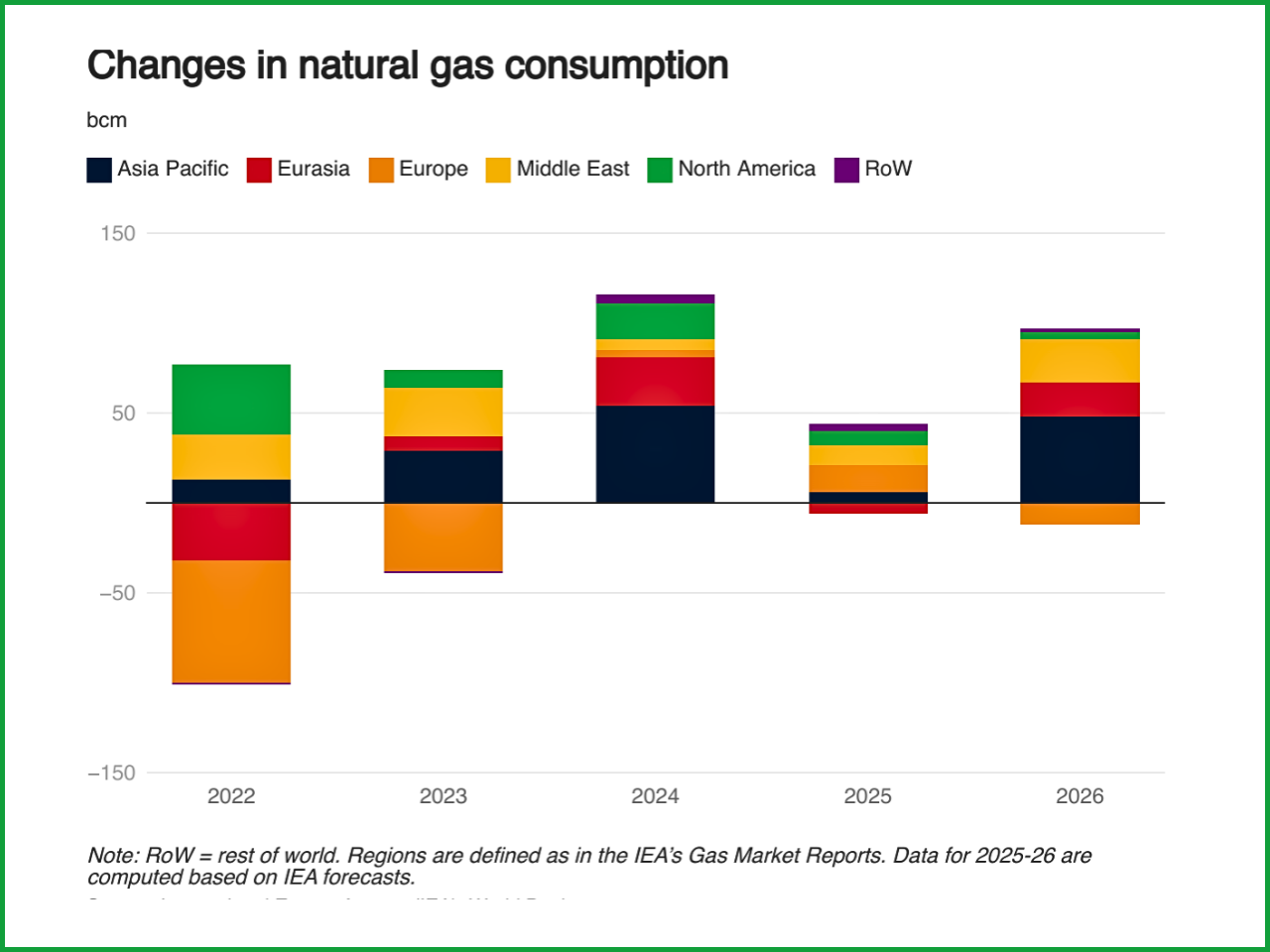
Weather-related risks tied to La Niña will also be an important factor in determining production levels. The baseline forecast utilized to develop projections assumes a weak and short-lived La Niña occurrence. However, should La Niña be more intense or longer-lasting than previously anticipated, severe hot and dry conditions could develop in major agricultural growing areas, including but not limited to Argentina, southern Brazil, and the U.S. Gulf Coast. Any of these weather disruptions could negatively impact production of primary agricultural commodities (including maize, wheat, and soybeans) and may increase pricing levels significantly higher than current projections. An integral part of the future of agriculture is impacted by input expenditures, mainly soluble fertilizers. Fertilizer prices soared by 18% in 2025 with strong demand, trade restrictions, and insufficient production. In 2026, fertilizer prices are foreseen to range from 5% lower with a continuation of the ongoing removal, by China, of export restrictions on nitrogen- and phosphorus-based fertilizer due to the adequacy of current inventory. However, any backward movement in export policies, increased prices of natural gas, or unexpected demand will maintain, if not increase, the cost of fertilizers, which will push food prices upwards.
Agricultural markets are impacted by demand for biofuels with an emphasis on edible oils. As of 2025, agricultural commodity prices were raised by the increased use of food as feedstock for biodiesel. Increased biodiesel blending mandates in Brazil and Indonesia, as well as changes to U.S. biofuel tax legislation, have augmented the support of these prices. While support for biofuel will remain, a decline in crude oil prices or relaxed blending requirements will decrease the demand for biofuels and ultimately put pressure on agricultural prices to be lower. The World Bank indicates that, according to the institution’s current view, agricultural prices are likely to stabilize in 2026 due to sufficient supply globally and balanced risk factors; food and agricultural raw material prices are anticipated to remain relatively steady overall, with beverage prices declining. Possible upside risks will be associated with extreme weather events and reduced trade tensions that will negatively impact U.S.-based commodities but will complement higher input prices that exceed projections; downside risks stem from slow global growth and reduced demand for biofuels. Agricultural markets will face significant uncertainty going forward, but will likely remain relatively stable over time; furthermore, the success of the agricultural markets will increasingly depend on the decisions made by policymakers, climate conditions, and the performance of the global economy.
Monthly Edition