The industry that capital outlay on data centres may approach approximately 7 trillion dollars by 2030, of which approximately 1.3 trillion dollars will be used in power generation, cooling equipment, and electrical equipment. In Ireland, data centres already represent approximately 20 percent of national electricity consumption, as the example of the digital infrastructure redefining energy demand shapes up that speedily.
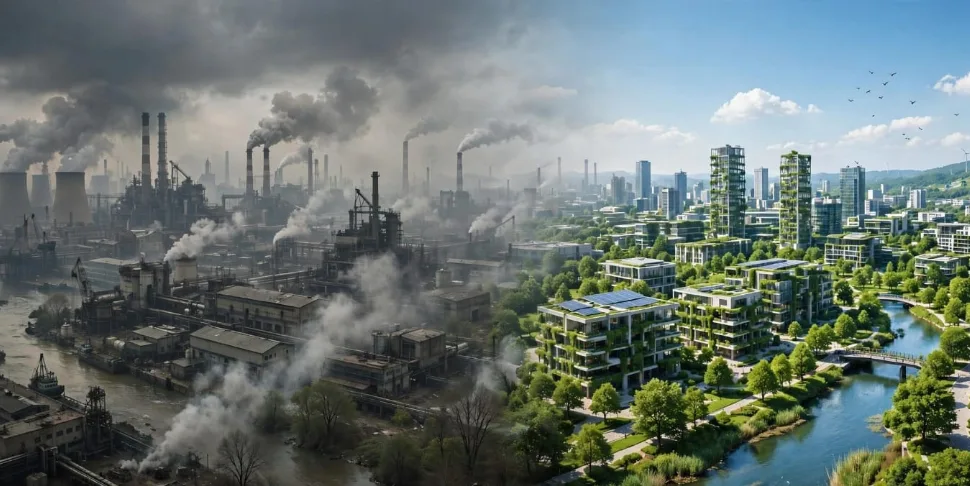
The European Union’s “Zero Pollution Action Plan” will strive to achieve an environment without toxins by decreasing air, water, and soil pollution to levels that have no effect on human health or the ecosystems’ ability to function properly and provide vital services (e.g., storing carbon or filtering pollution). The plan includes significant targets for progress toward 2030, including a 55% decrease in premature deaths caused by air pollution.
The World Bank’s gas price index went up slightly, but the trend in prices looks very different depending on where you live. In the United States, natural gas prices kicked up above $5/mmbtu for the first time in three years due to cold temperatures and, on top of other things, increased LNG shipping over to Europe. Throughout Europe, prices for natural gas fell again this week, reaching an all-time low since early 2024 based on declining demand and increasing volumes of LNG imports.
Our Latest Blog
Global Job Creation Slows Down: ILO Revises Expectations Amidst Declining Investment and Economic Uncertainty
The intensity of AI usage across firms that implement AI varies immensely. Less than 25% of the companies polled rely only on AI for outreach and external operations, and less than 25% utilize it entirely for core functions. Conversely, approximately 25% use AI internally and externally, demonstrating a greater degree of integration and utilization of AI across multiple areas of business.
New analysis in the World Bank Global Economic Prospects (GEP) 2026 report shows that frontier markets present huge potential and a huge threat to the global economy. With almost 1.8 billion inhabitants, approximately a fifth of the global population, the frontier markets at present contribute approximately 5 percent of the global gross domestic product. Although this is a small percentage, their population impact is still growing fast.
The outstanding journey is captured in the chart known as A Century of Gold. The past century has shown the close relation of gold prices to inflation, financial crises, and significant changes in policy. The most notable is the steep increase in 2025, as the highest annual growth in decades, in support of the persistence of gold as a haven of uncertainty.
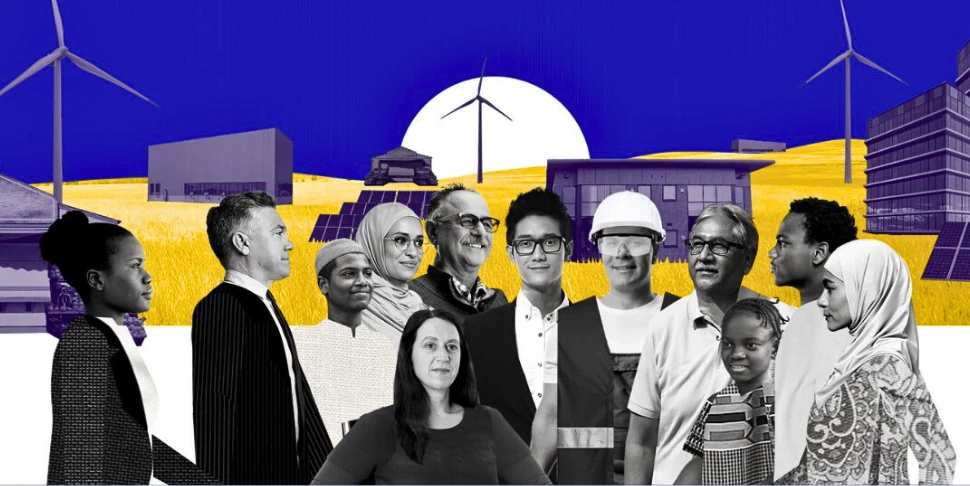
The World Bank Group has focused on five key industries in which there is great potential for creating employment opportunities: the energy and infrastructure sector, agriculture and agribusiness, health care, tourism, and manufacturing. Each of these sectors is interconnected with the other and supports the creation and development of many job opportunities and a broad-based development strategy. The two most important things that drive our economy are energy and the infrastructure necessary to transport energy to people so that they can be connected to the market and provide productivity to their daily lives.
In a world long dominated by the financial tides of the US dollar, a new story is unfolding, driven not by a grand, planned design but by an unexpected external force: the tariff policies of Donald Trump. Trump's renewed presidency saw him sign an executive order in early 2025, first imposing tariffs on imports from China, then escalating to a "universal" tariff on nearly all imports. But the most pointed attacks were reserved for the BRICS bloc and their partners.