World News

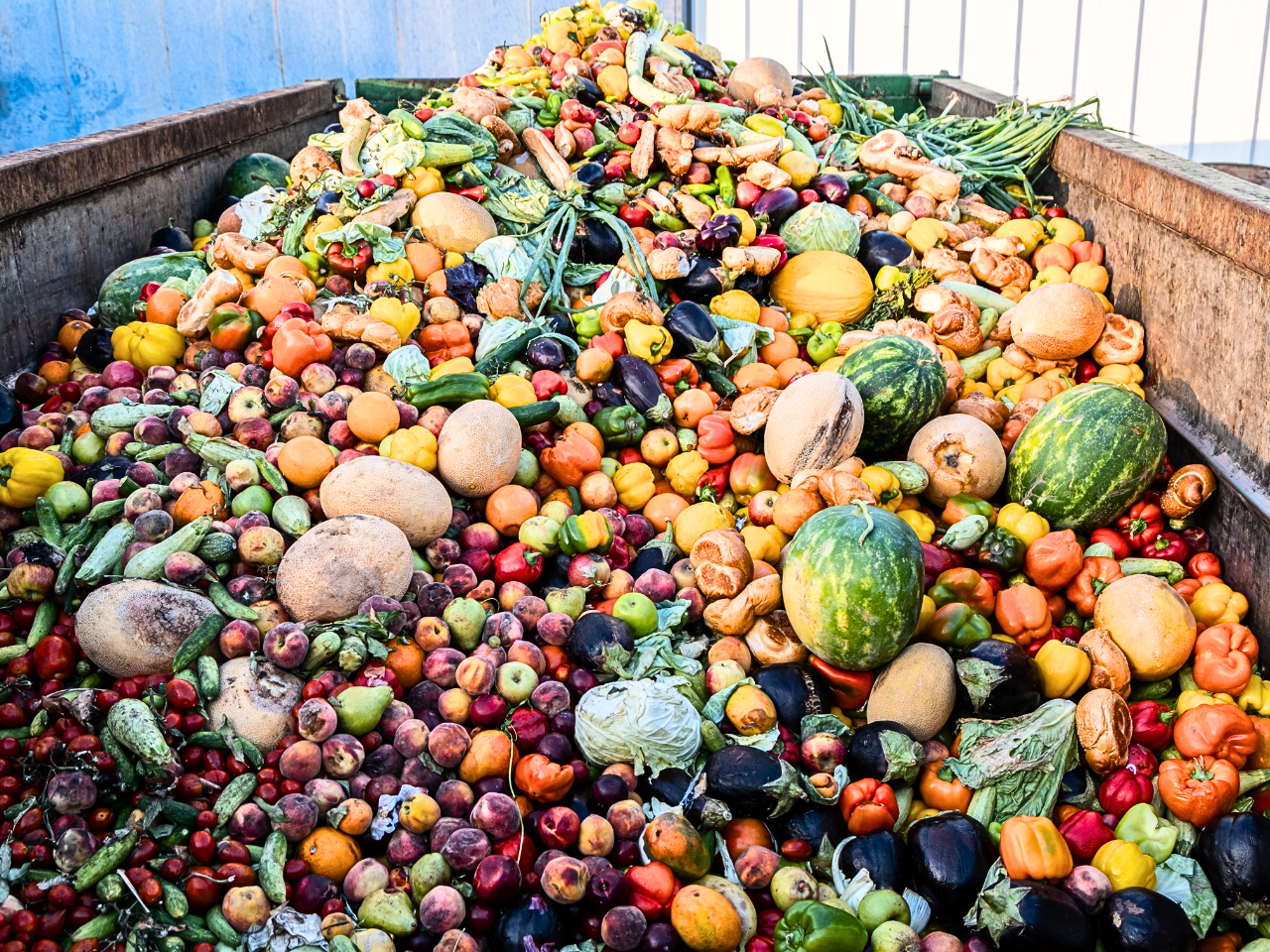
25.4% of All Fruits and Vegetables Lost Before Reaching Consumers, UNECE Experts Launch New Framework to Cut Waste

The image represent the fruits and vegitable waste
Image source: UNECE

An ambitious new framework to address food losses among fresh and dried fruits and vegetables, one of the largest and most neglected inefficiencies in the global food supply chain, has been agreed upon by experts in agricultural quality from 34 countries across the United Nations Economic Commission for Europe (UNECE). The effort is in response to the increasing magnitude of the problem. Approximately 13% of all food is lost from harvest to retail, and an additional 19% is lost at the retail, food service, and home levels.

Initial outcomes of standard revisions alone illustrate potential impacts. Cyril Julius, chair of the UNECE Specialized Section on Standardization of Fresh Fruit and Vegetables, said that by 2025, the South African table grape exporters would have a noticeable improvement, as the packhouse losses were reduced from almost 5% to less than 1% due to a simple modification of the UNECE table grape standard. This momentum was followed by the endorsement of three measures by experts. First, a new product-based approach to food loss reduction, instead of being embedded in UNECE agricultural quality standards. Secondly, a chapter of a new Code of Good Practice guiding the dried fruit and nut value chains on the handling, processing, manufacturing, and trade of dried fruits and nuts, which may have to pass through multiple stakeholders and long supply chains. Thirdly, a voluntary standardized package marking system, which will minimize rejections at the border due to incorrect or incomplete package marking, is one of the most neglected sources of waste in the supply chain.

What is important is that even small improvements in handling, storage, and packaging can make a significant difference in shelf life and in reducing waste, says UNECE Specialized Section on Standardization of Dry and Dried Produce vice chair Dorian LaFond. The updated and new standards will facilitate progress towards SDG target 12.3, reducing food waste and losses in the food supply chain by 50% by 2030.

Latest News
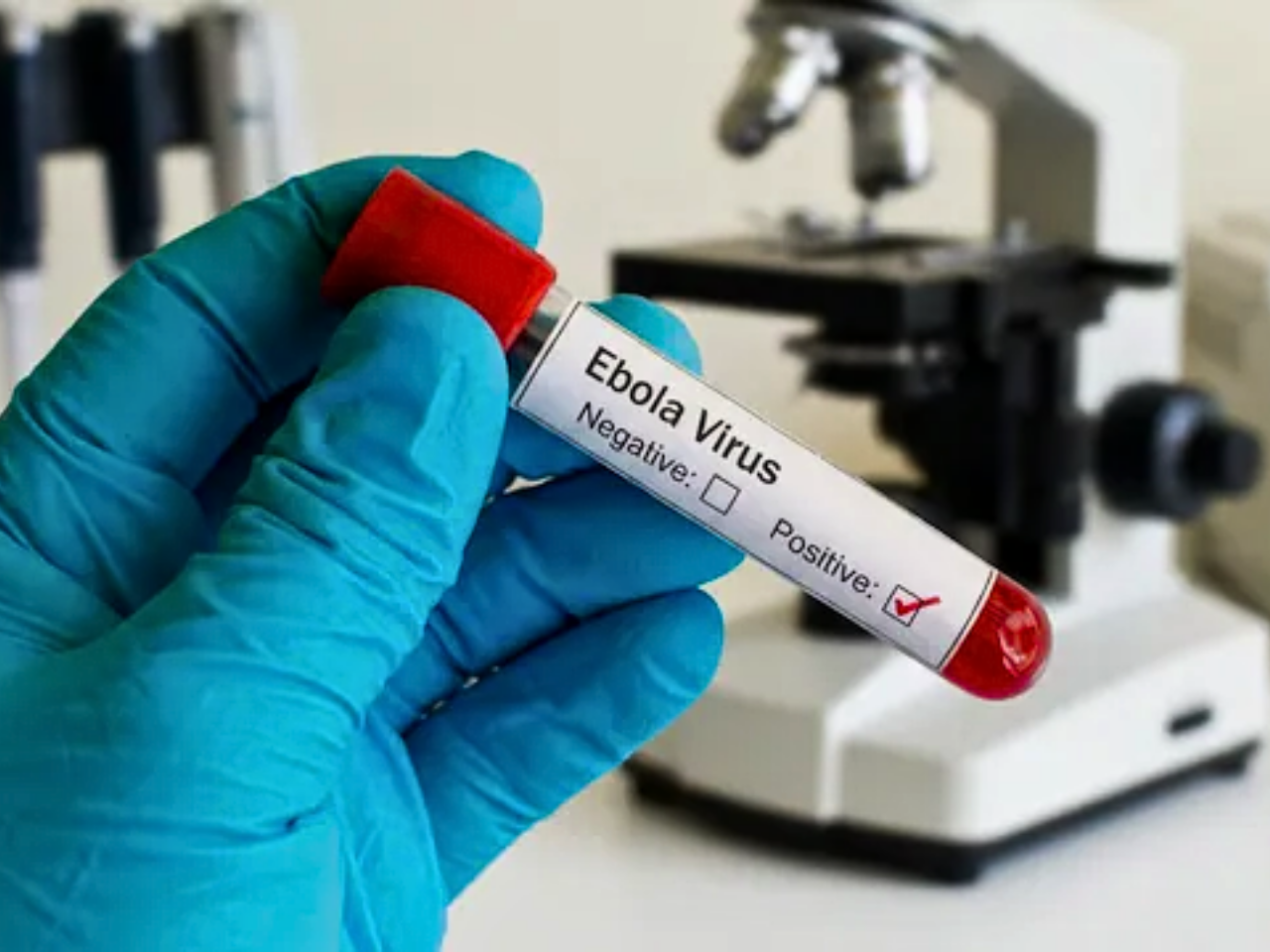
The image represent the ebola bunibugyo virus testing cube

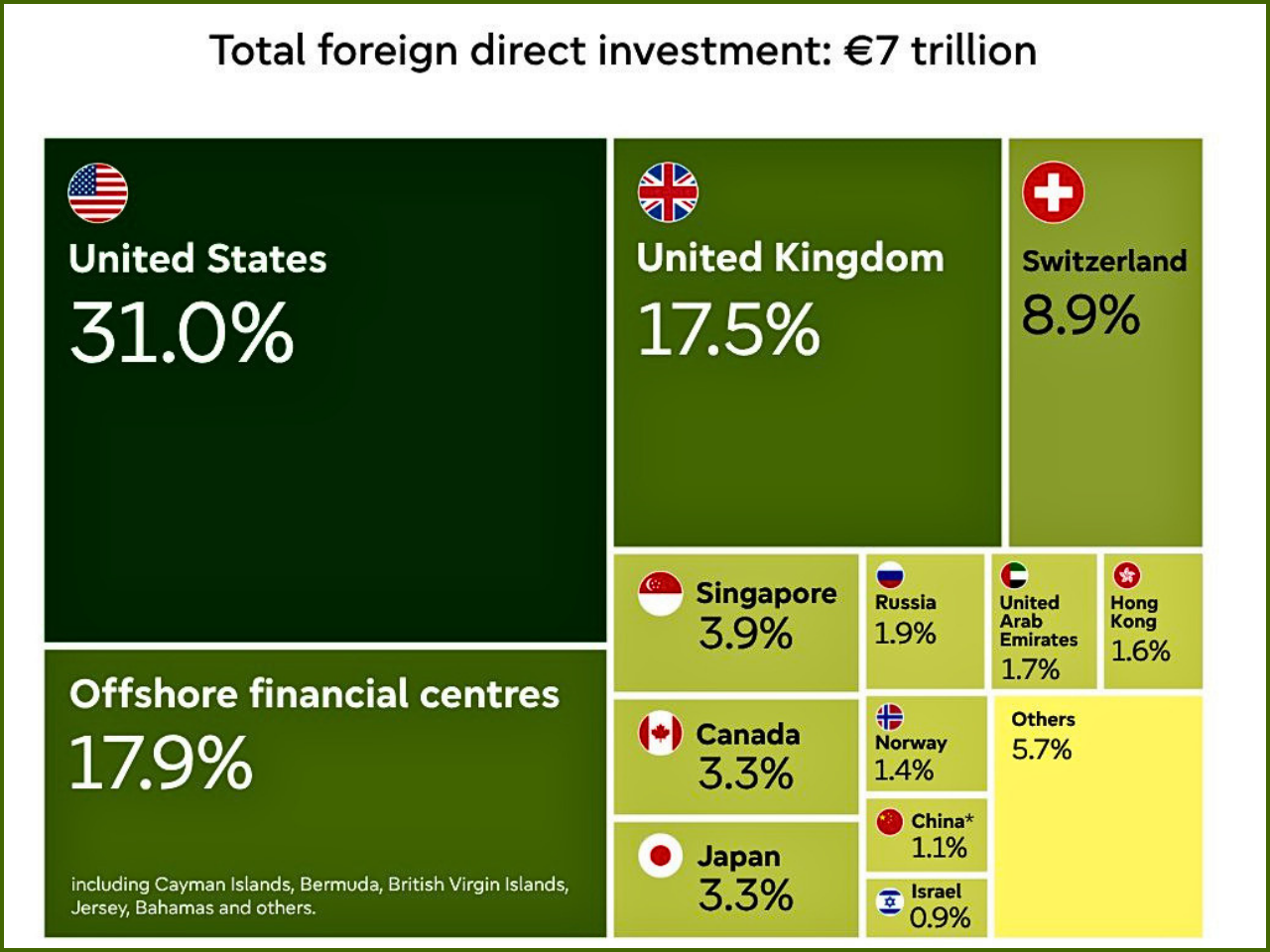
The image represent the foregin investment regulation ration for each nation

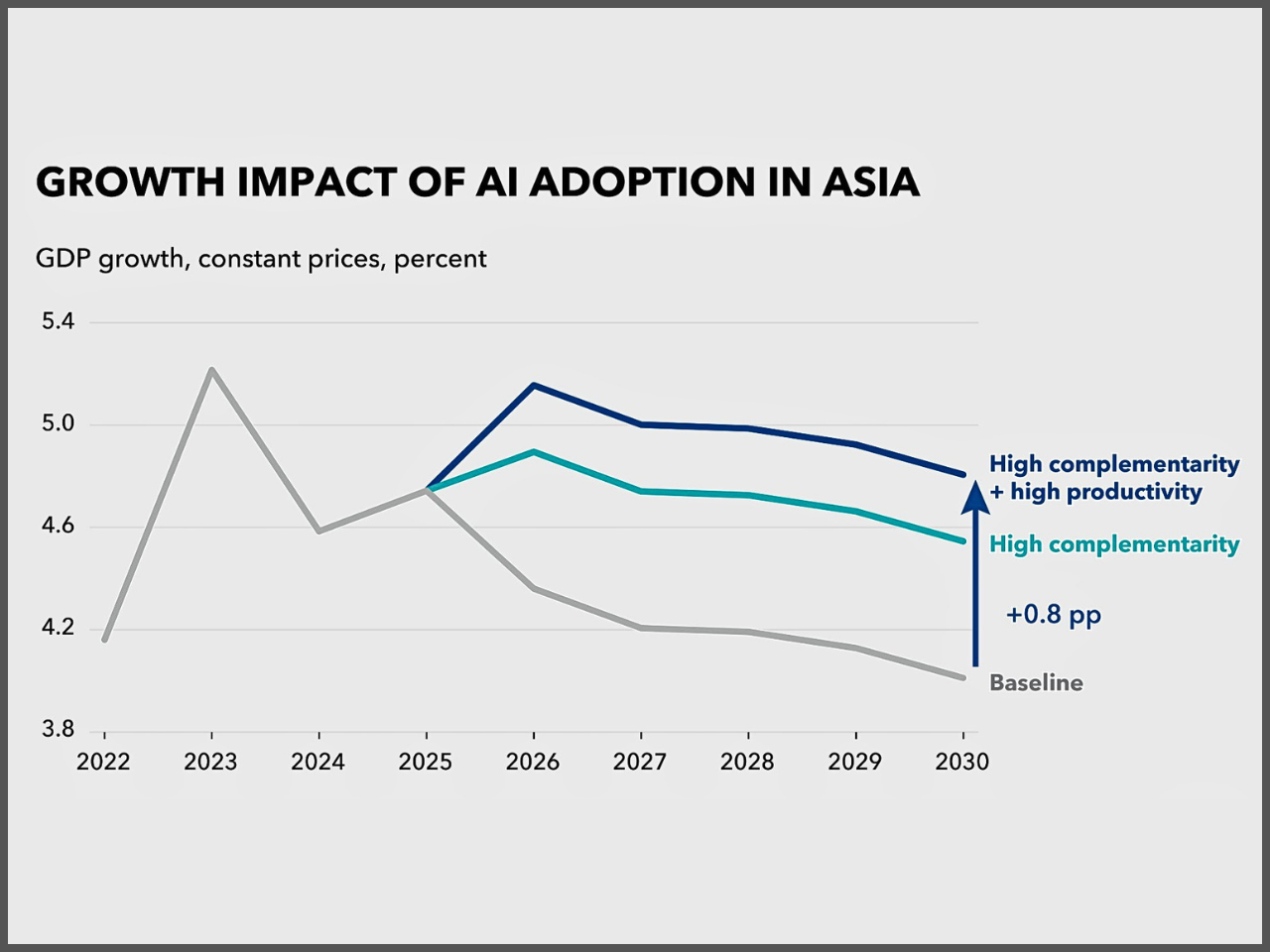
The image represent the AI impact

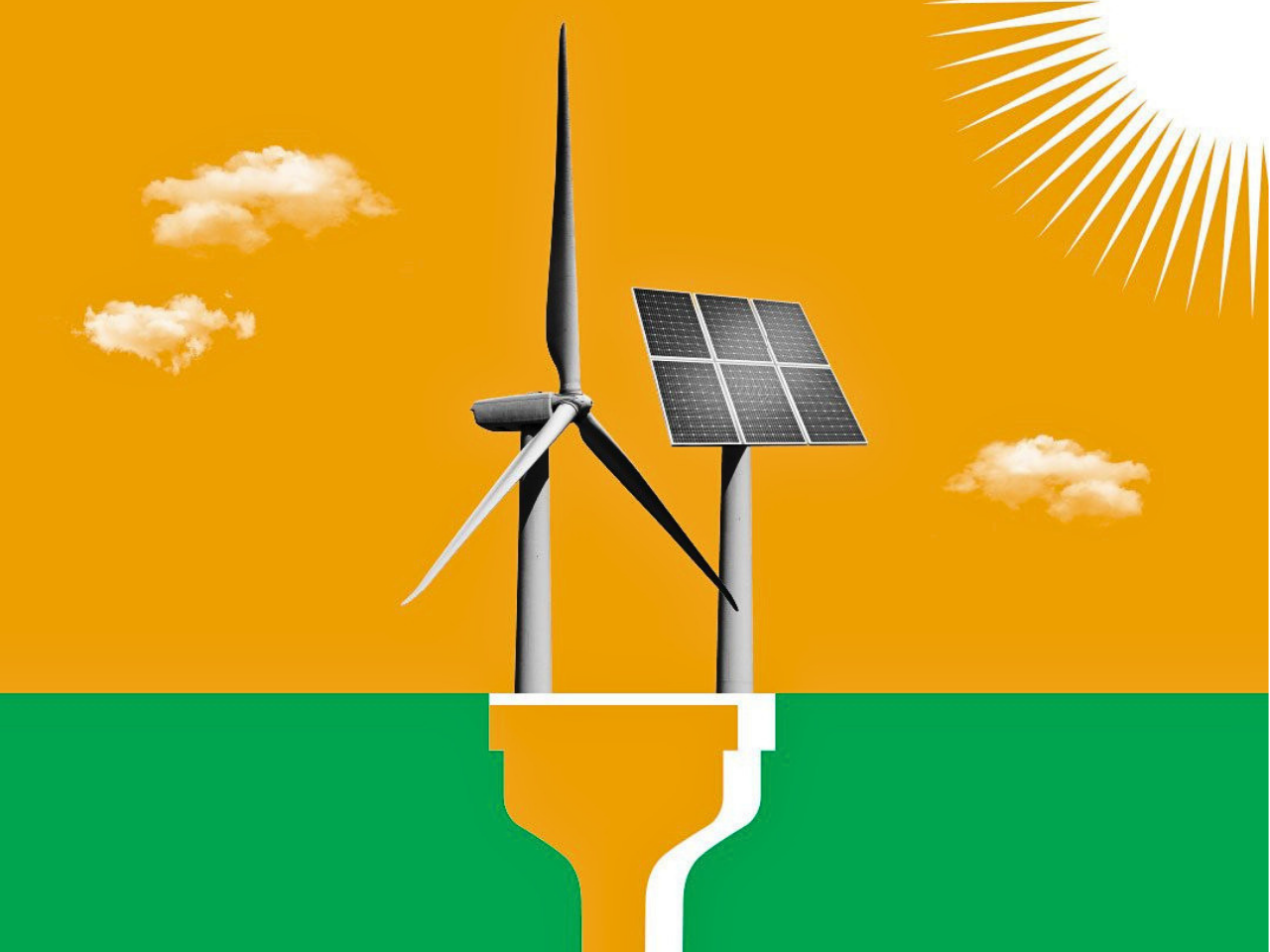
The image represent the renewable engergy growth

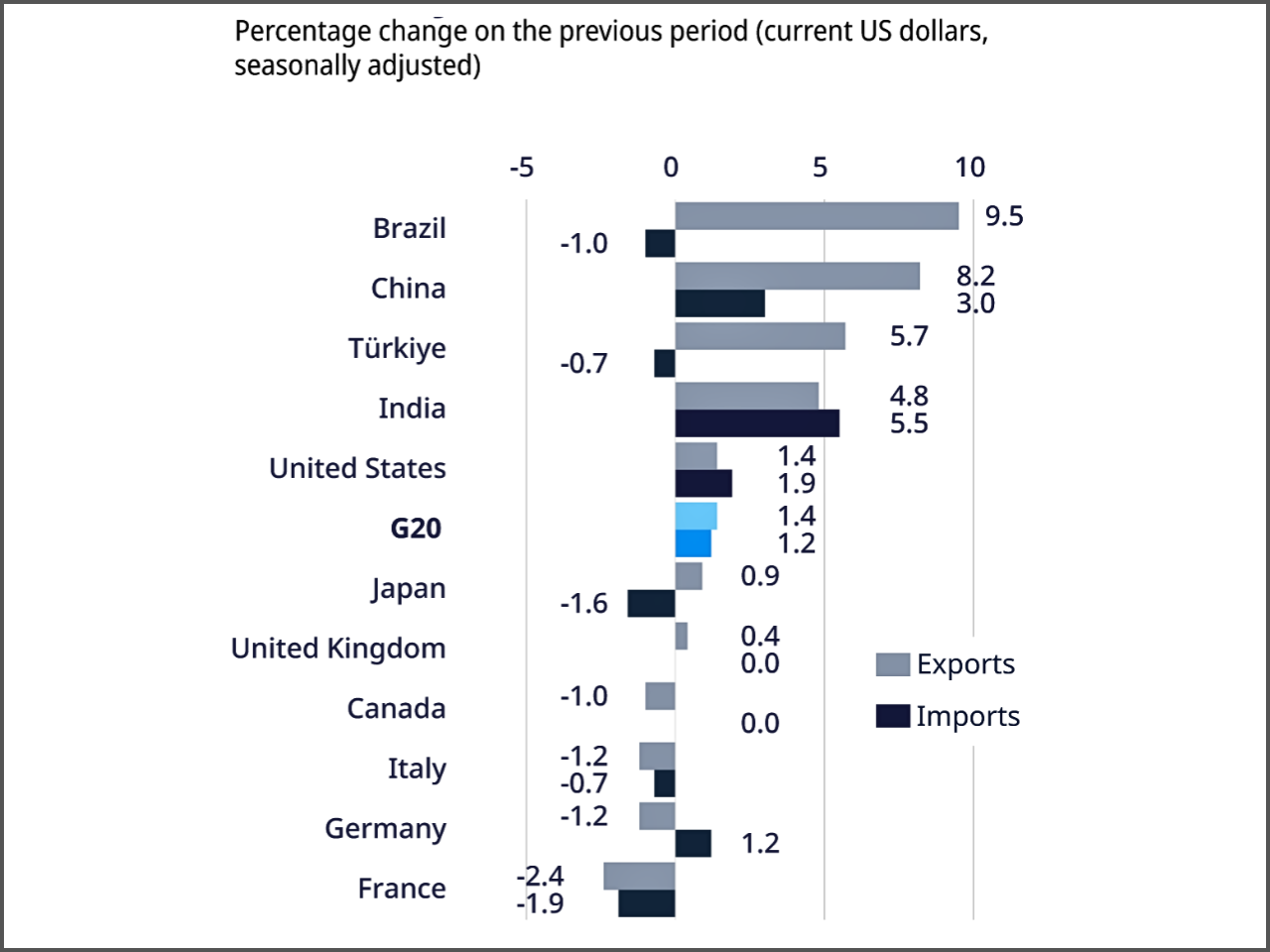
The graph represent the G20 service trade epanded modestly in Q4 2025

Read More From News >>>

Latest Explained
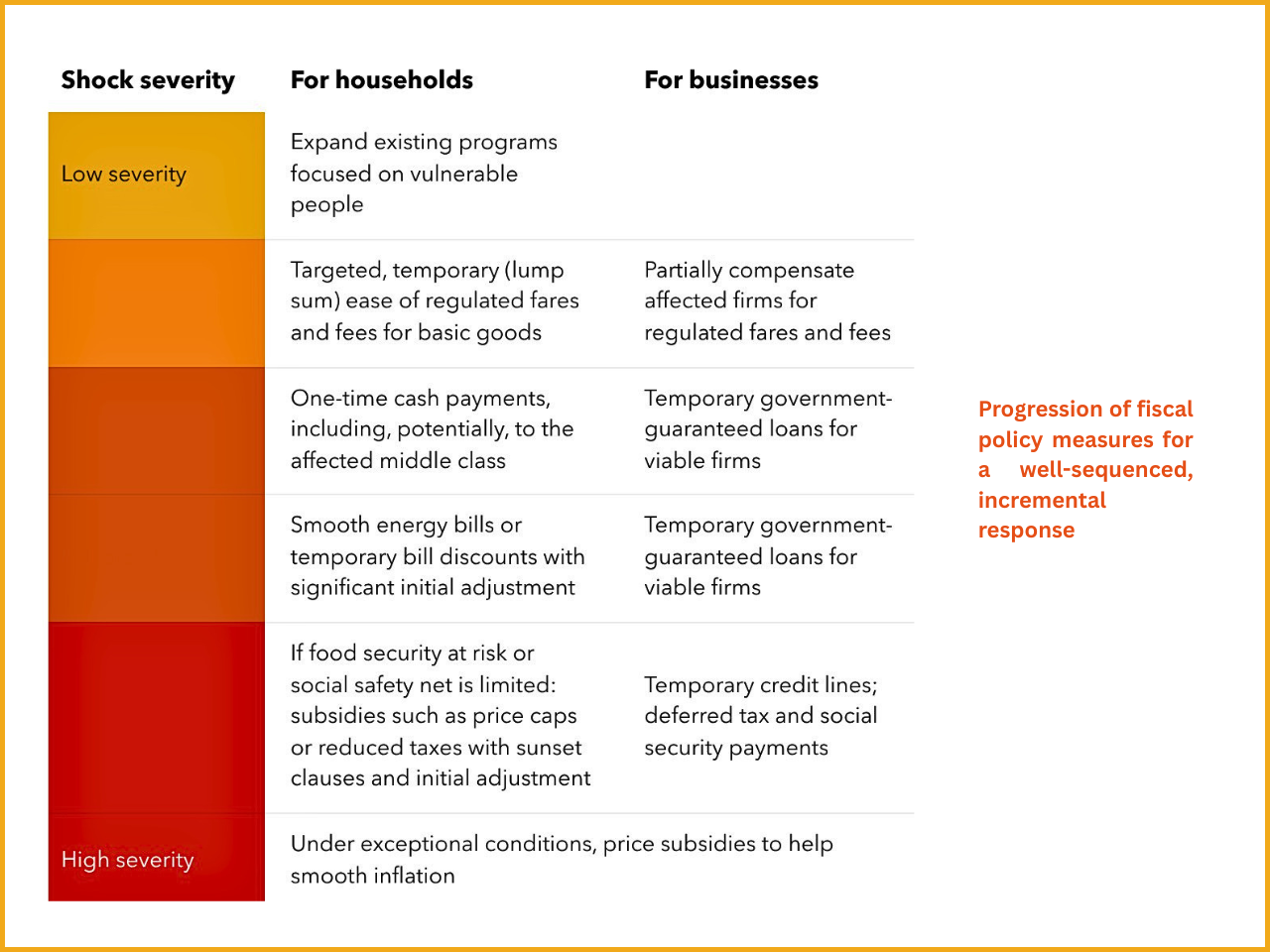
The image represent energy and food price shocks are in way that help vulnerable people and keep business open without further straining public finances
Explained / May 30, 2026
Subsidies Help the Rich More Than the Poor During Energy & Food Price Spikes

IMF recommends temporary, targeted cash transfers to low-income households instead of broad energy subsidies and price controls. Rising energy and food prices reduce consumer purchasing power and induce inflation. Key principles: let domestic energy prices reflect world markets, provide income transfers, give businesses liquidity not long-term subsidies. Broad subsidies distort markets, raise government debt, and benefit wealthy households more.

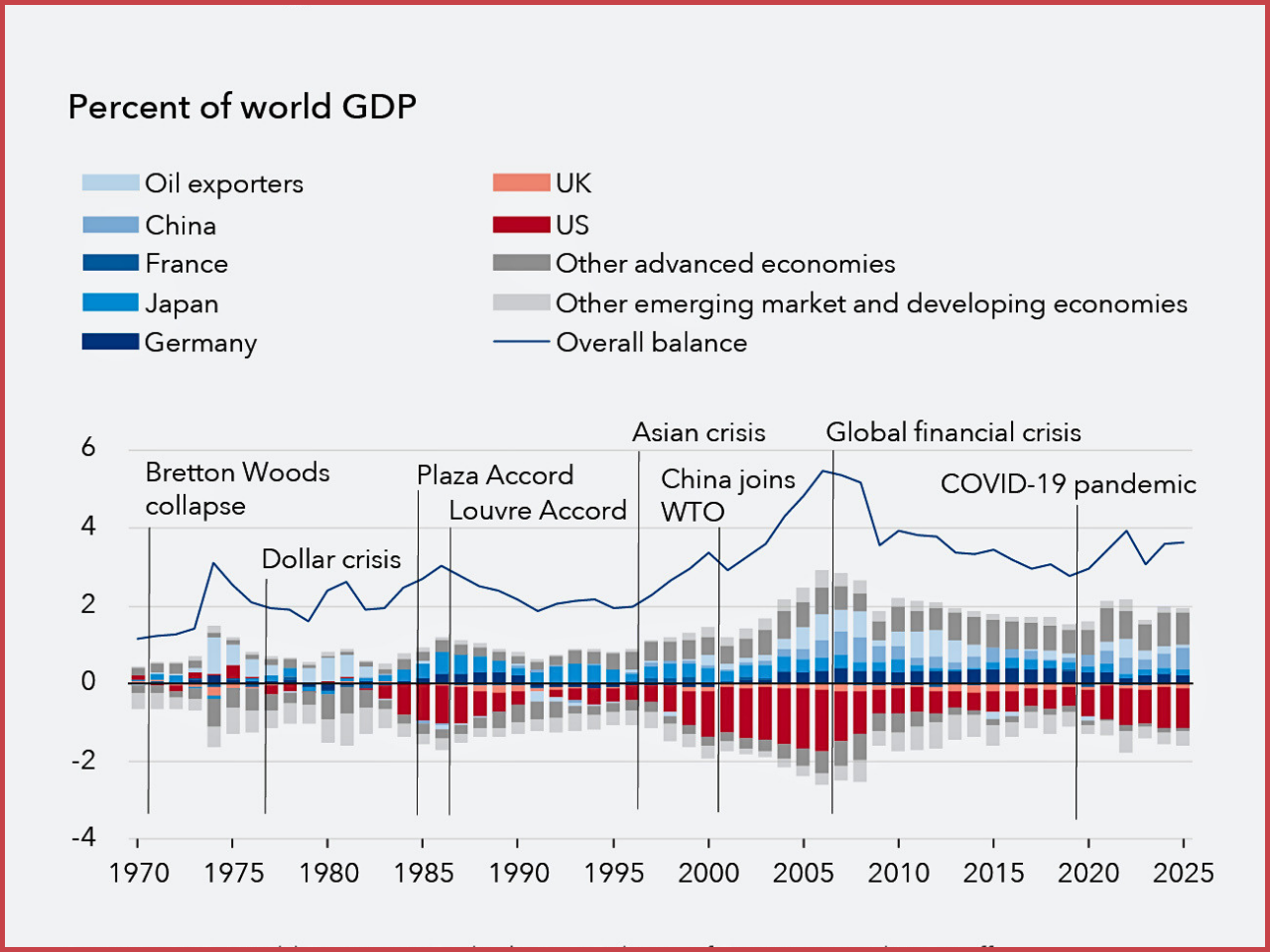
The graph represent the global trade imbalance chart
Explained / May 26, 2026
IMF: Tariffs and Industrial Subsidies ‘Largely Ineffective’ as Global Trade Imbalances Reverse Post-2008 Gains

The International Monetary Fund warned in a pointed new policy paper that tariffs and industrial subsidies are largely ineffective and damaging to economic welfare, as global trade progress since the 2008 financial crisis has reversed. The IMF says rebalancing requires coordinating domestic macroeconomic reform, not trade barriers, with widening imbalances driven by persistently large deficits in national saving in the United States and China’s ongoing real estate slowdown.

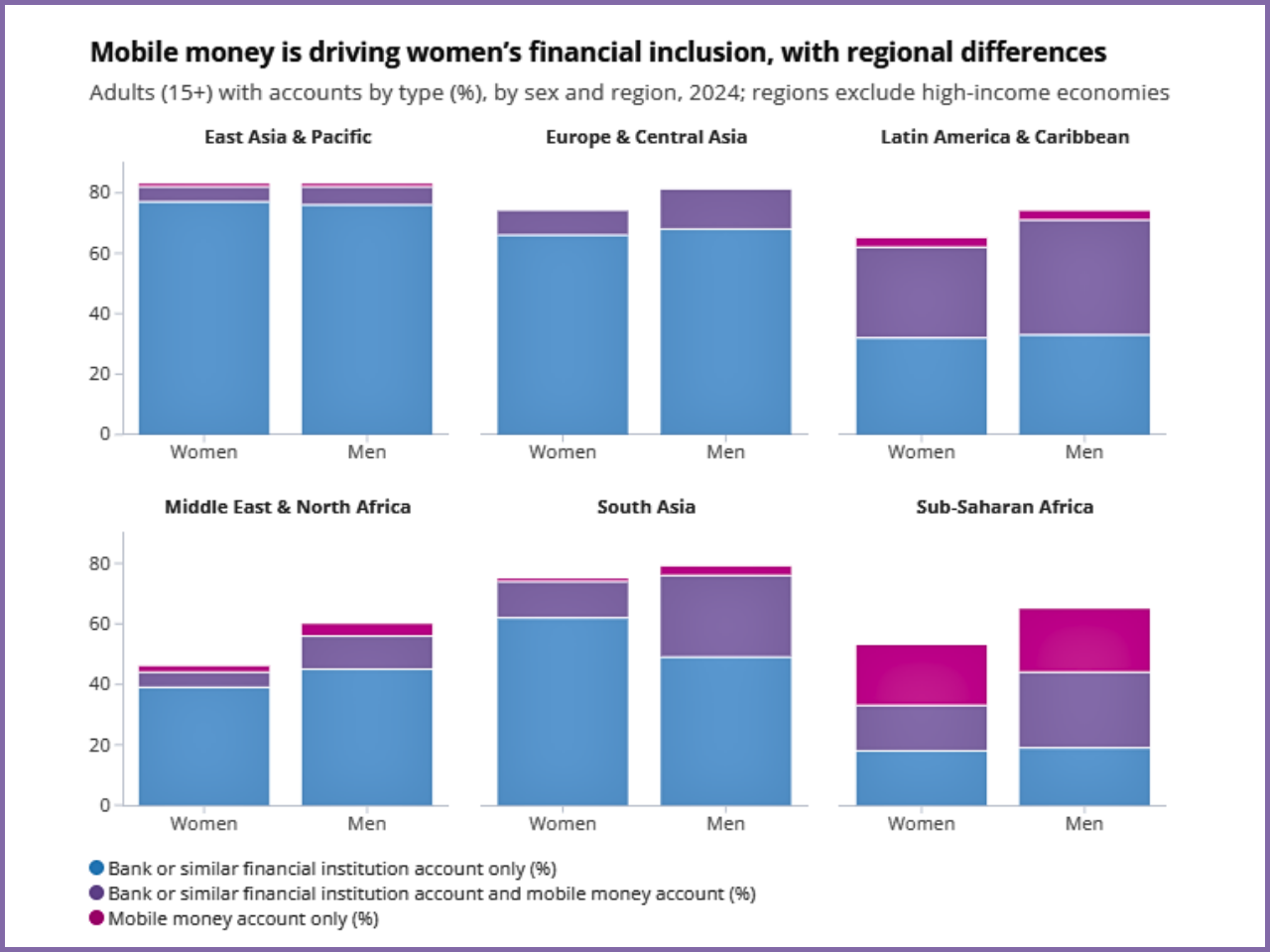
The graph represent the unbanking women in global
Explained / May 24, 2026
73% of Women in Low- and Middle-Income Countries Now Own Financial Accounts, But 700 Million Remain Unbanked

Global Findex 2025 data shows women's financial account ownership in low- and middle-income countries rose to 73% in 2024, up from 66% in 2021. Digital payment usage grew from 50% to 58% and formal savings from 22% to 36%, yet over 700 million women remain unbanked. High fees, distance, and limited access to credit continue to hinder full financial inclusion and economic independence.

- Advertisement -


Editorial / Nilarani
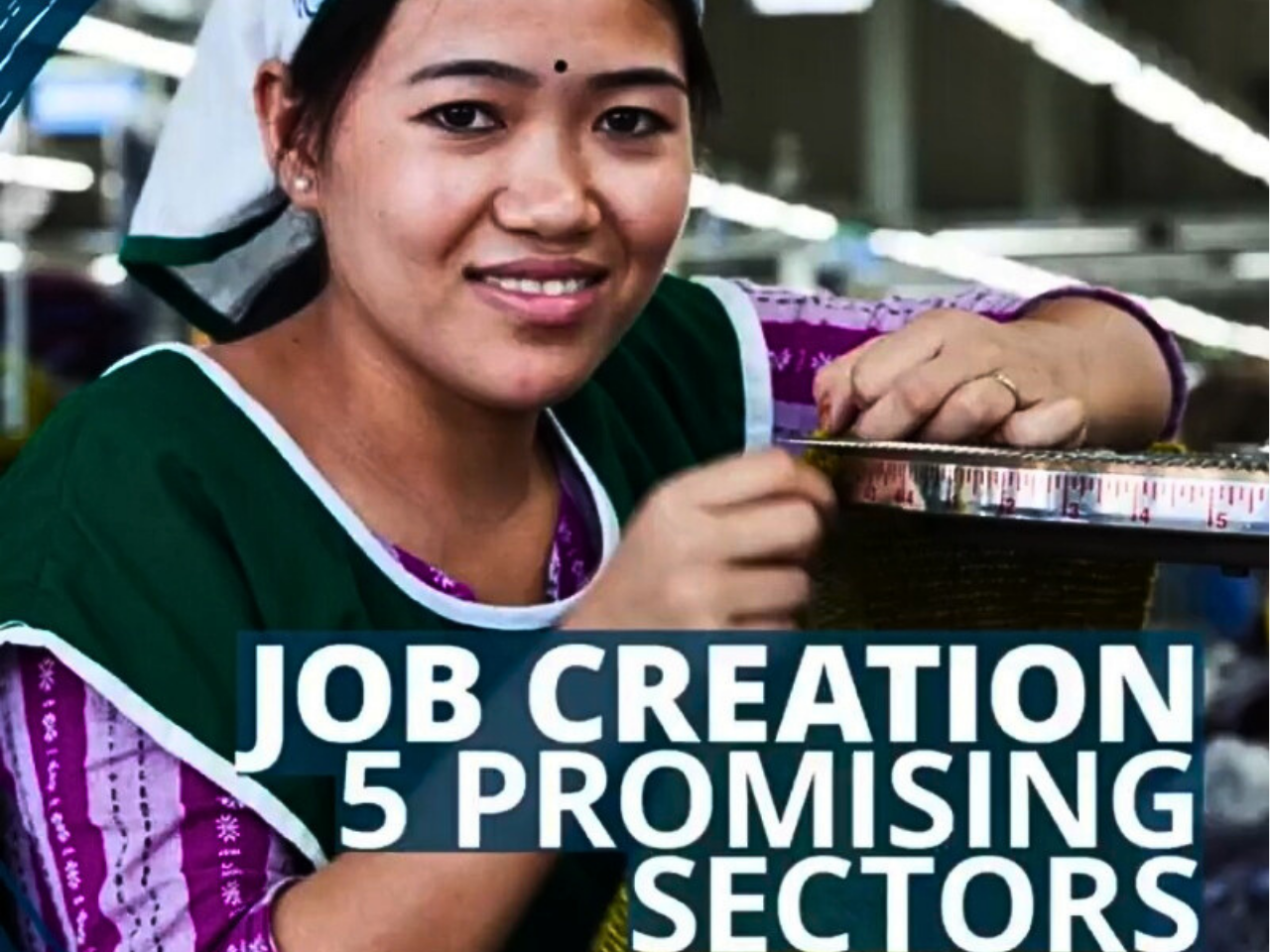
Jobs at the Forefront: World Bank's Strategy for a Resilient Global Economy

The World Bank Group has focused on five key industries in which there is great potential for creating employment opportunities: the energy and infrastructure sector, agriculture and agribusiness, health care, tourism, and manufacturing. Each of these sectors is interconnected with the other and supports the creation and development of many job opportunities and a broad-based development strategy.

Editorial / Avichal Sharma
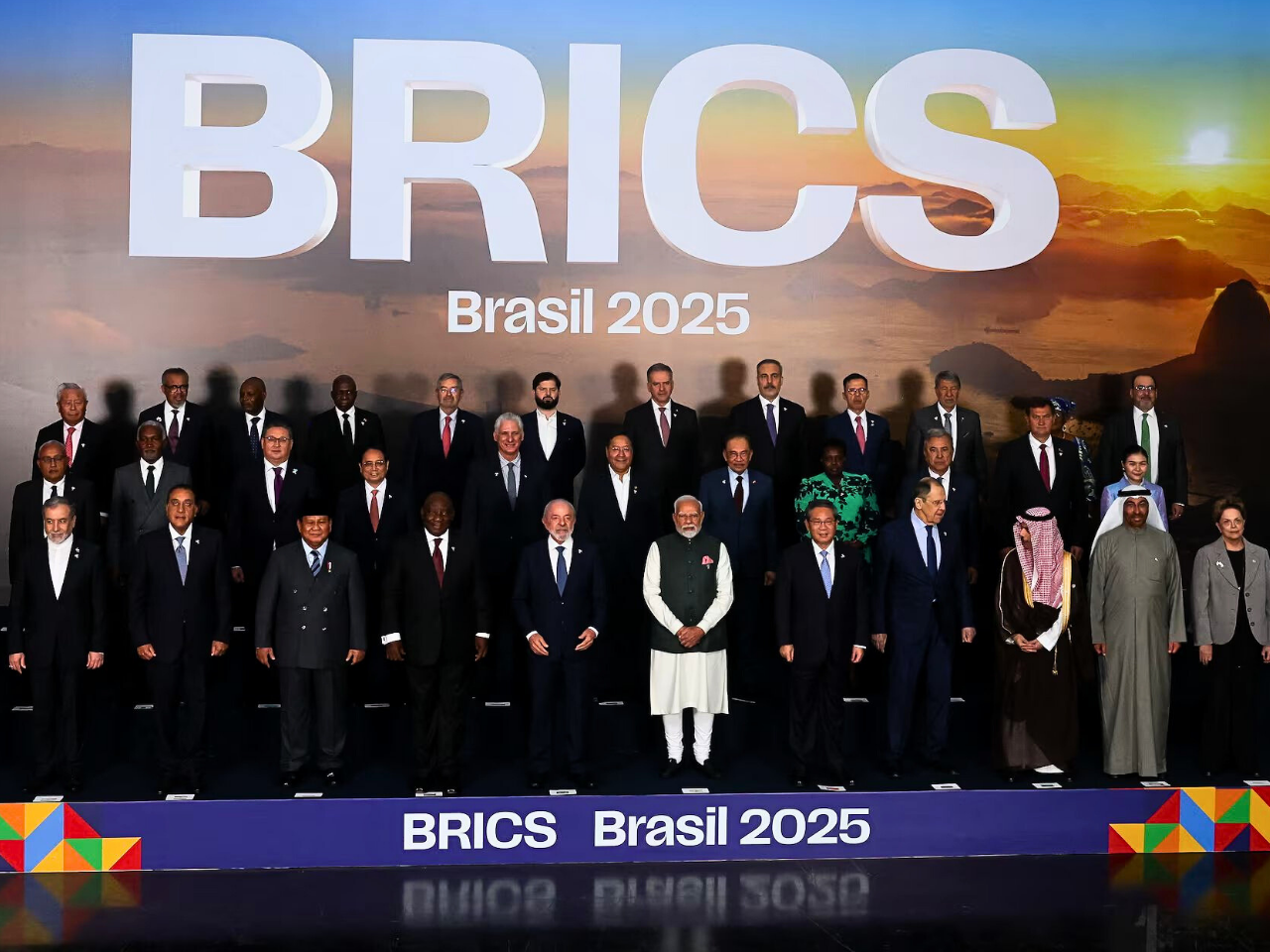
The Gathering Storm: How Trump's Tariffs Forged BRICS Unity

In a world long dominated by the financial tides of the US dollar, a new story is unfolding, driven not by a grand, planned design but by an unexpected external force: the tariff policies of Donald Trump. Trump's renewed presidency saw him sign an executive order in early 2025, first imposing tariffs on imports from China, then escalating to a "universal" tariff on nearly all imports.

Read More From Blog >>>


- Advertisement -