World News

Ebola Outbreak Strains Fragile Health Systems -900 Suspected Cases Expose High Economic Cost of Weak Surveillance and Risk to Frontline Workers

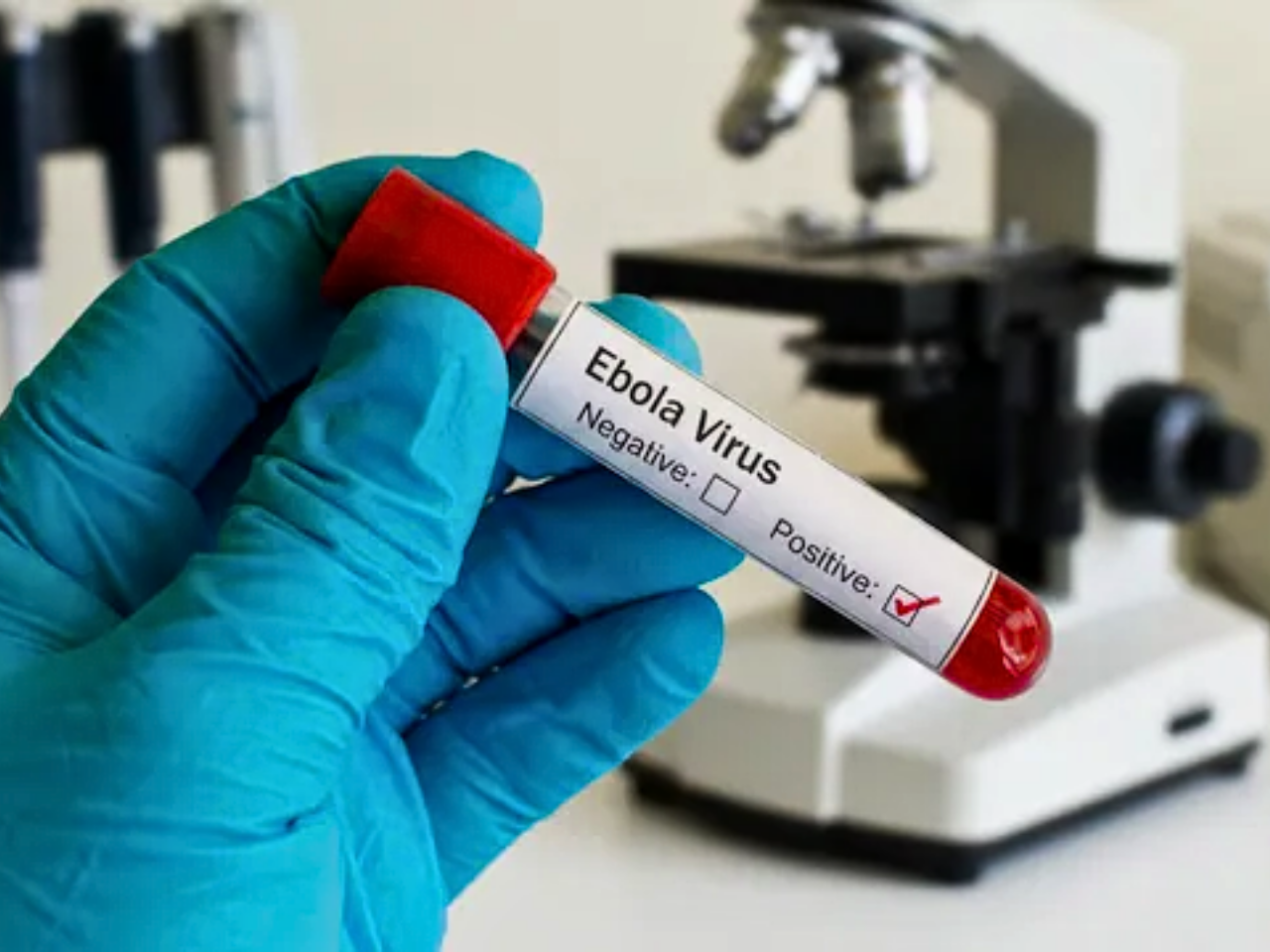
The image represent the ebola bundibugyo virus testing cube
Image source: NTDV

There is a public health emergency situation currently taking place in some regions of Central and Eastern Africa where the Ebola Bundibugyo virus is present. It is considered one of the most serious health threats to both Uganda and the DRC (Democratic Republic of the Congo) as of today. According to the DRC Ministry of Health, there are 101 confirmed cases and 10 deaths due to this virus. The actual number of infected will be much higher than these current numbers because there are about 900 suspected cases and about 220 reported suspected deaths. Therefore, there is an urgent need for improved surveillance systems, enhanced testing capabilities, and a more robust emergency medical response capability within communities for improving public health outcomes.

In Uganda, 2 additional health care workers have recently tested positive for the virus, bringing their total number of confirmed infections to 7, including 1 death. Infected healthcare professionals illustrate the extreme level of risk that frontline medical personnel face during the course of an Ebola outbreak, highlighting the necessity for adequate personal protective equipment, timely diagnosis, and rigid infection control procedures. Many international health organizations and respective partner organizations are continuing to enhance their response capabilities in both DRC and Uganda. As investigations and testing continue, health authorities now anticipate additional cases related to the infection will continue to arise over the next few days and weeks. The rapid identification of infected individuals as well as the immediate identification and tracking of all those individuals that have had contact with an infected individual will be crucial to controlling this outbreak. When you get treated early, it will reduce the chances of the virus spreading further, and if you get treatment early, you will likely have a much better chance of being treated successfully, as opposed to waiting until you have more severe symptoms.

The current outbreak demonstrates our global interdependence with respect to the public health of the world; therefore, we need to work collaboratively to develop better-prepared communities around the world to reduce the spread of other infectious diseases that threaten to become epidemics or pandemics.

Latest News
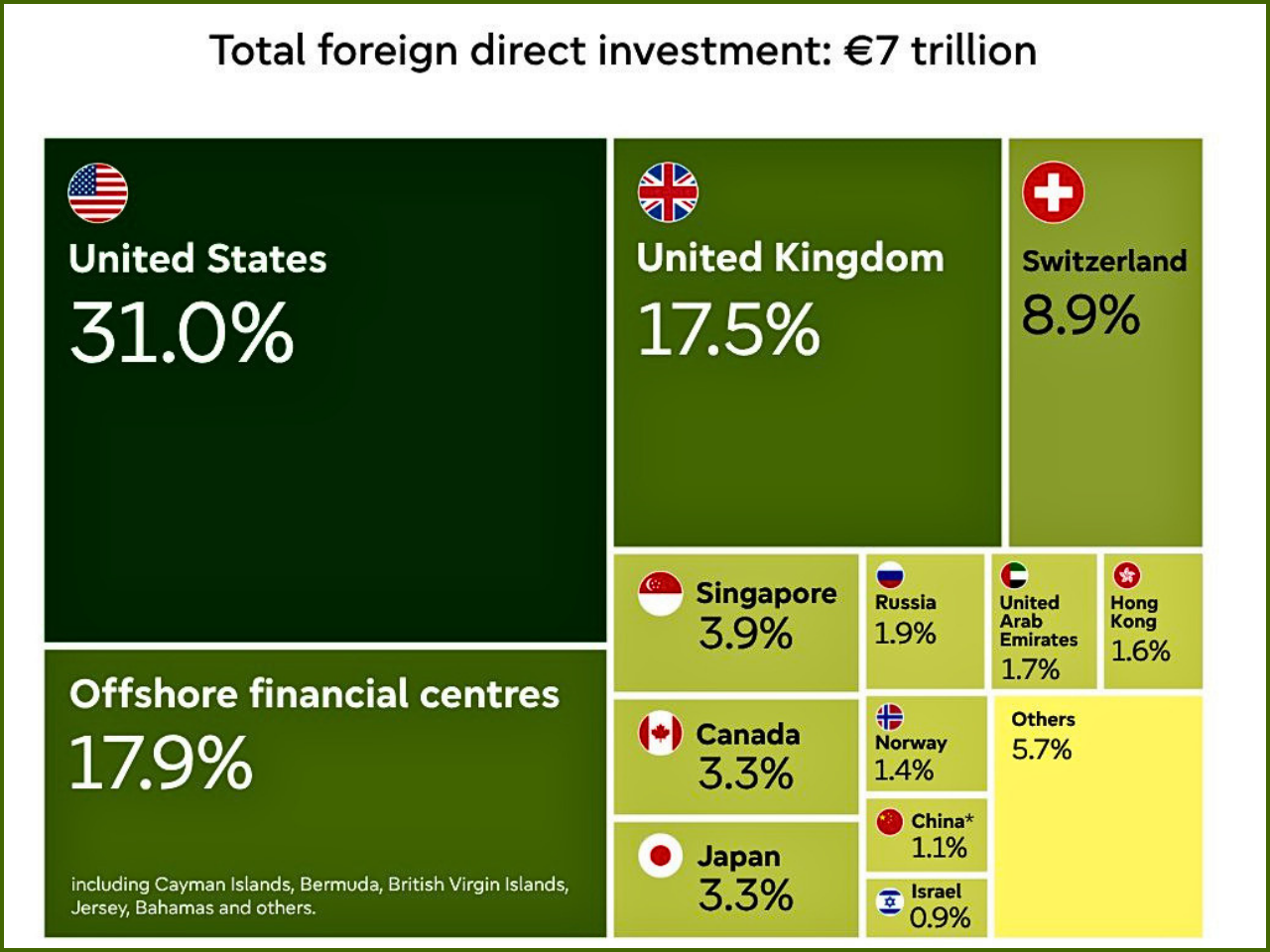
The image represent the foregin investment regulation ration for each nation

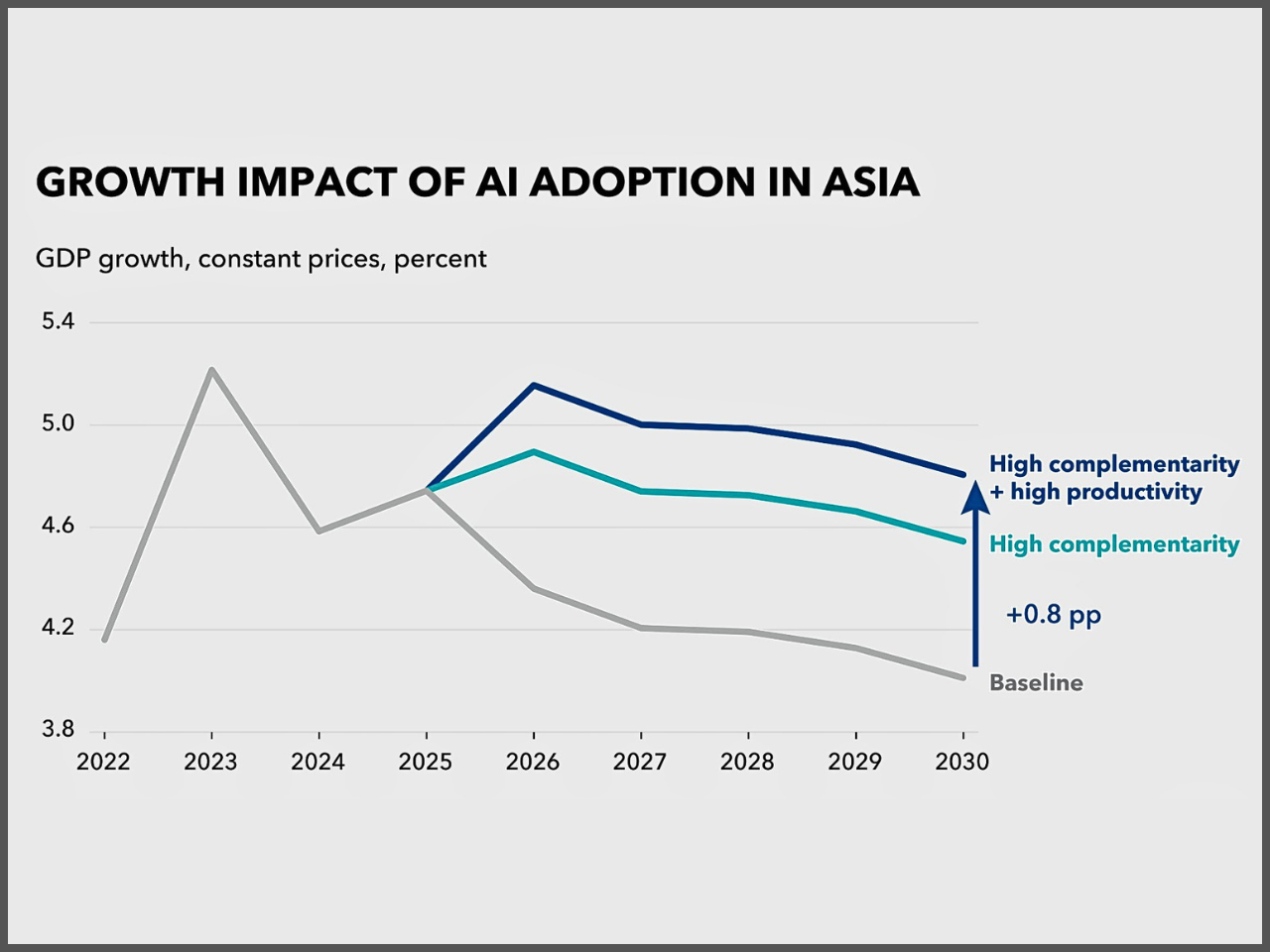
The image represent the AI impact

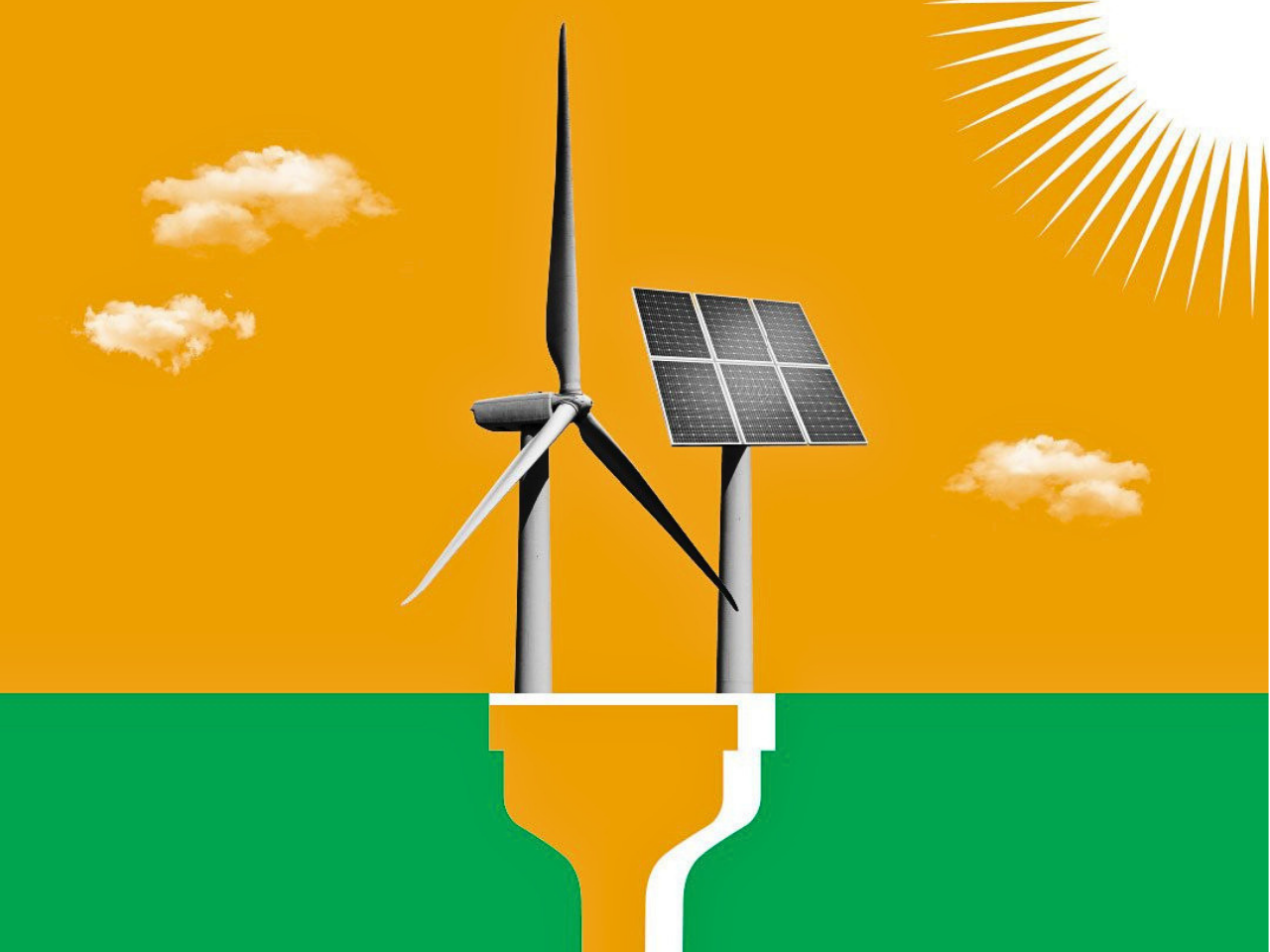
The image represent the renewable engergy growth

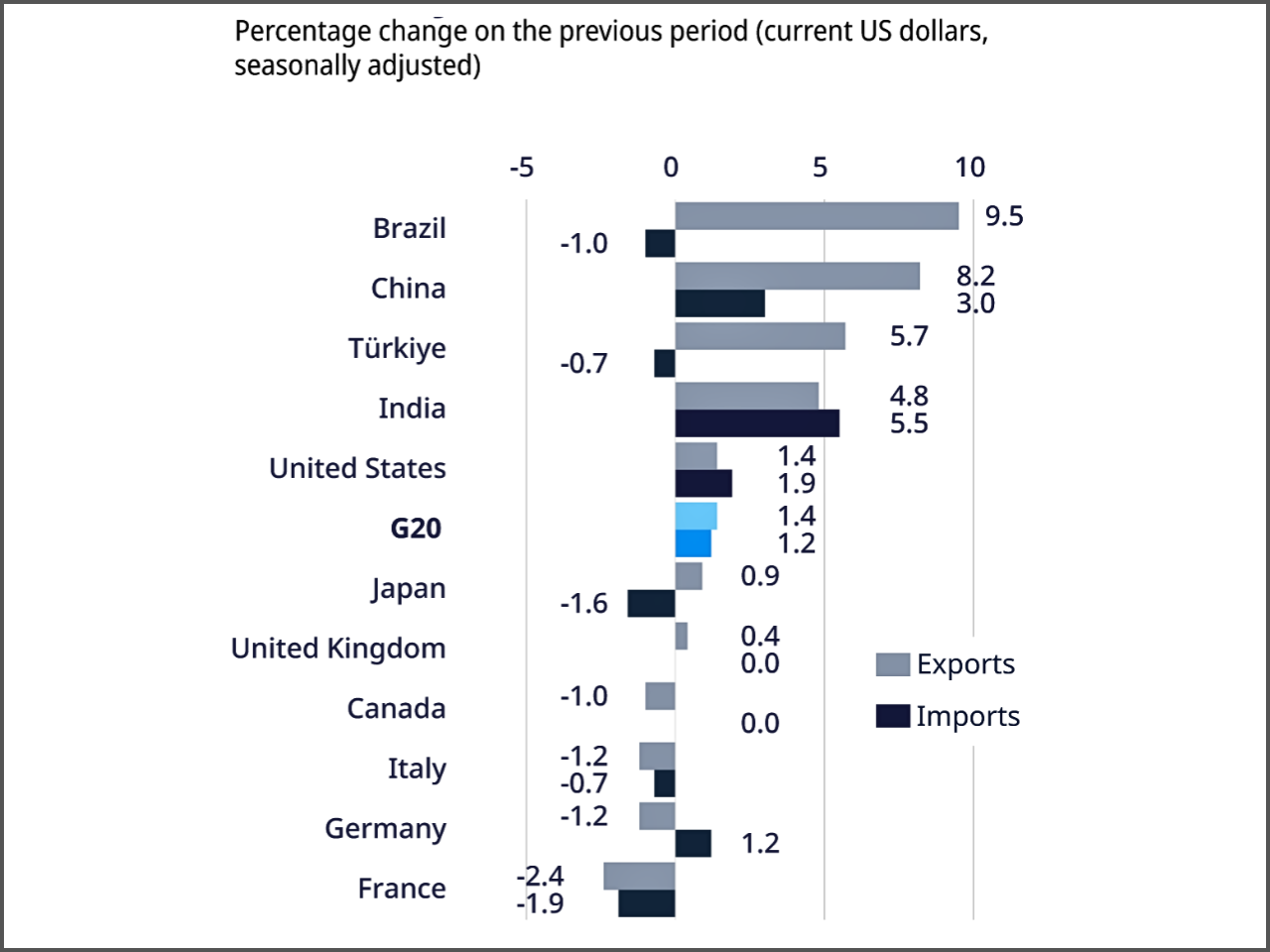
The graph represent the G20 service trade epanded modestly in Q4 2025

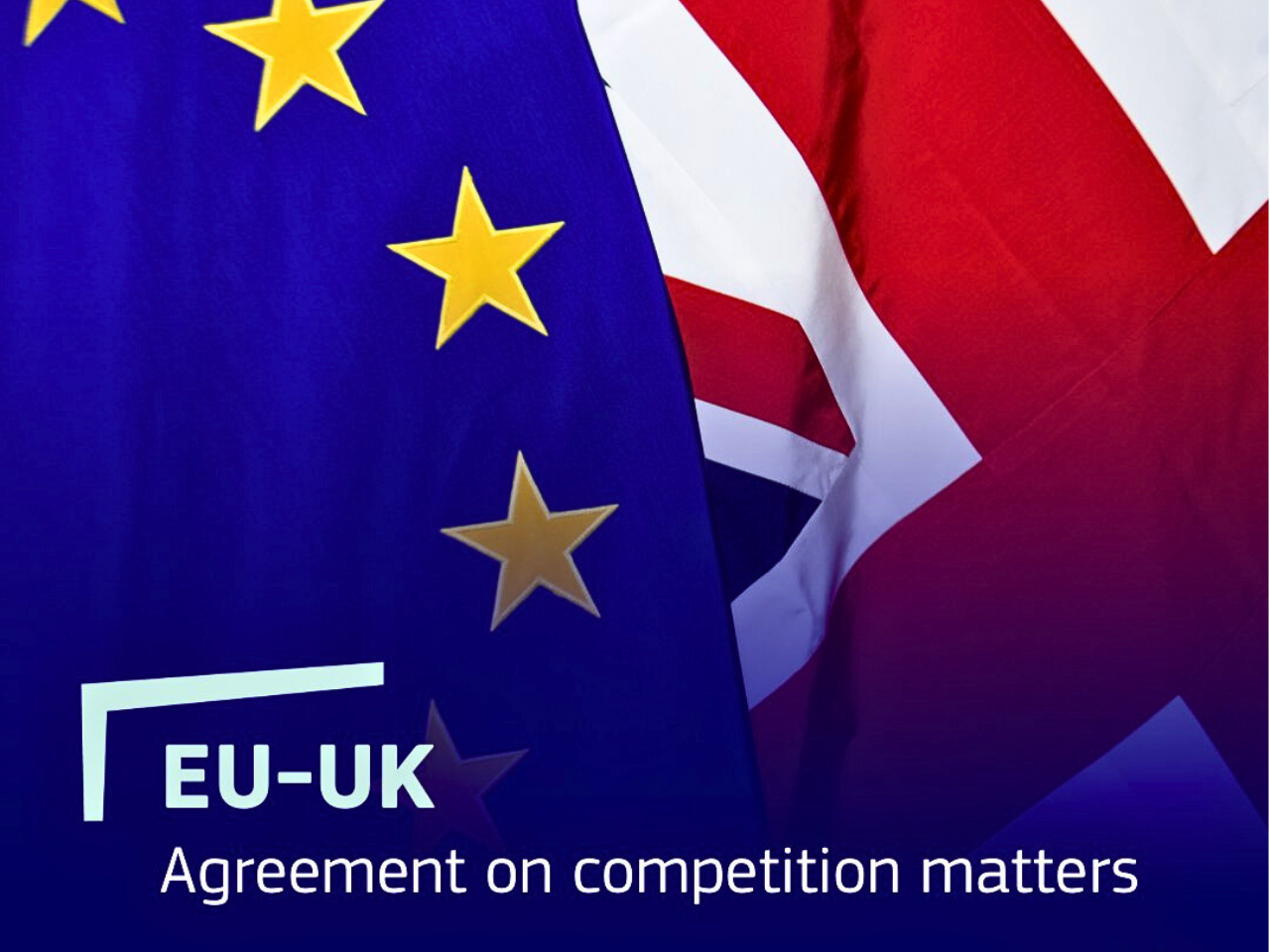
The image represent the UK and EU Sign Competition Cooperation Agreement, Strengthening Post-Brexit Ties

Read More From News >>>

Latest Explained
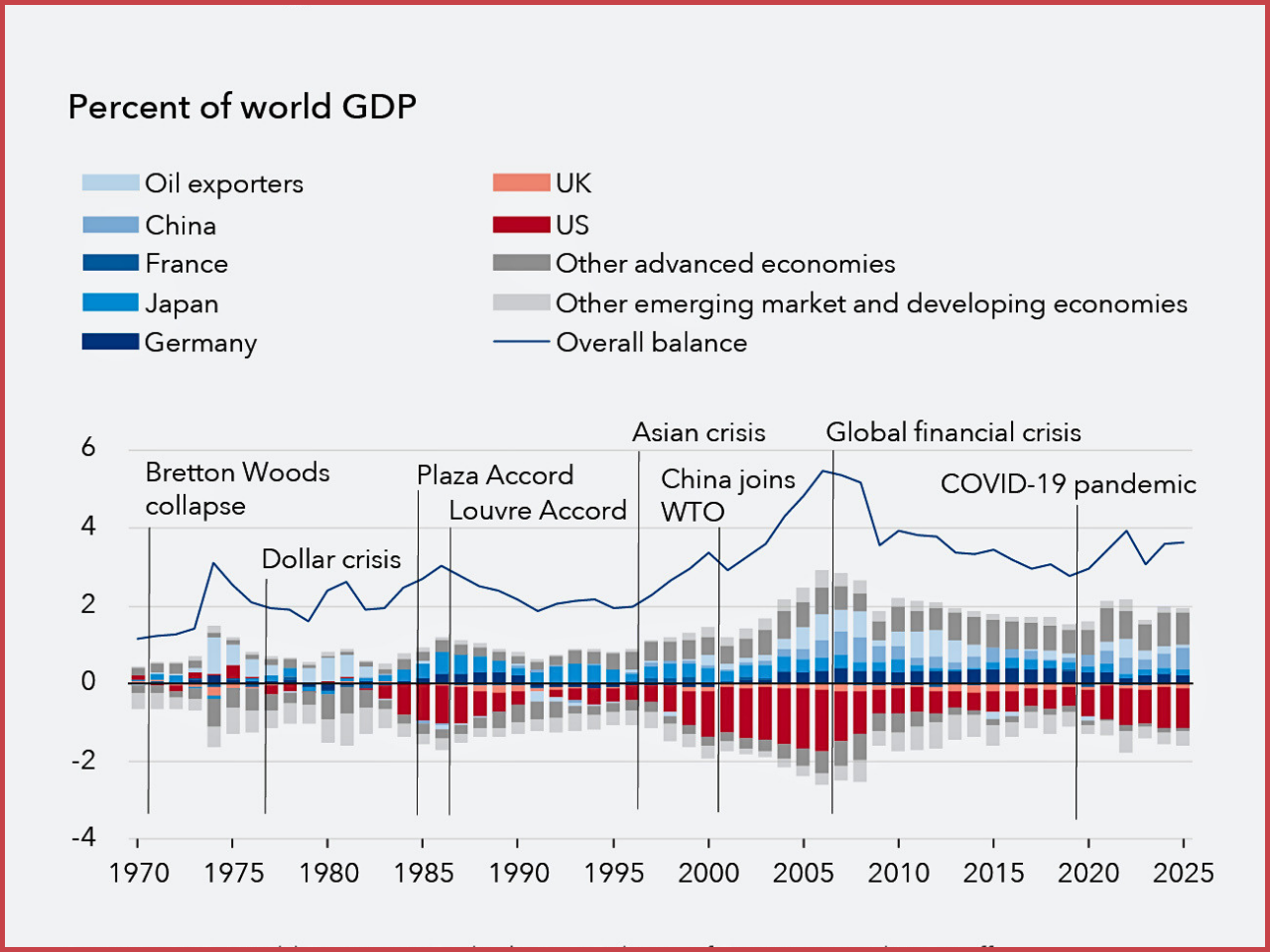
The graph represent the global trade imbalance chart
Explained / May 26, 2026
IMF: Tariffs and Industrial Subsidies ‘Largely Ineffective’ as Global Trade Imbalances Reverse Post-2008 Gains

The International Monetary Fund warned in a pointed new policy paper that tariffs and industrial subsidies are largely ineffective and damaging to economic welfare, as global trade progress since the 2008 financial crisis has reversed. The IMF says rebalancing requires coordinating domestic macroeconomic reform, not trade barriers, with widening imbalances driven by persistently large deficits in national saving in the United States and China’s ongoing real estate slowdown.

The graph represent the unbanking women in global
Explained / May 24, 2026
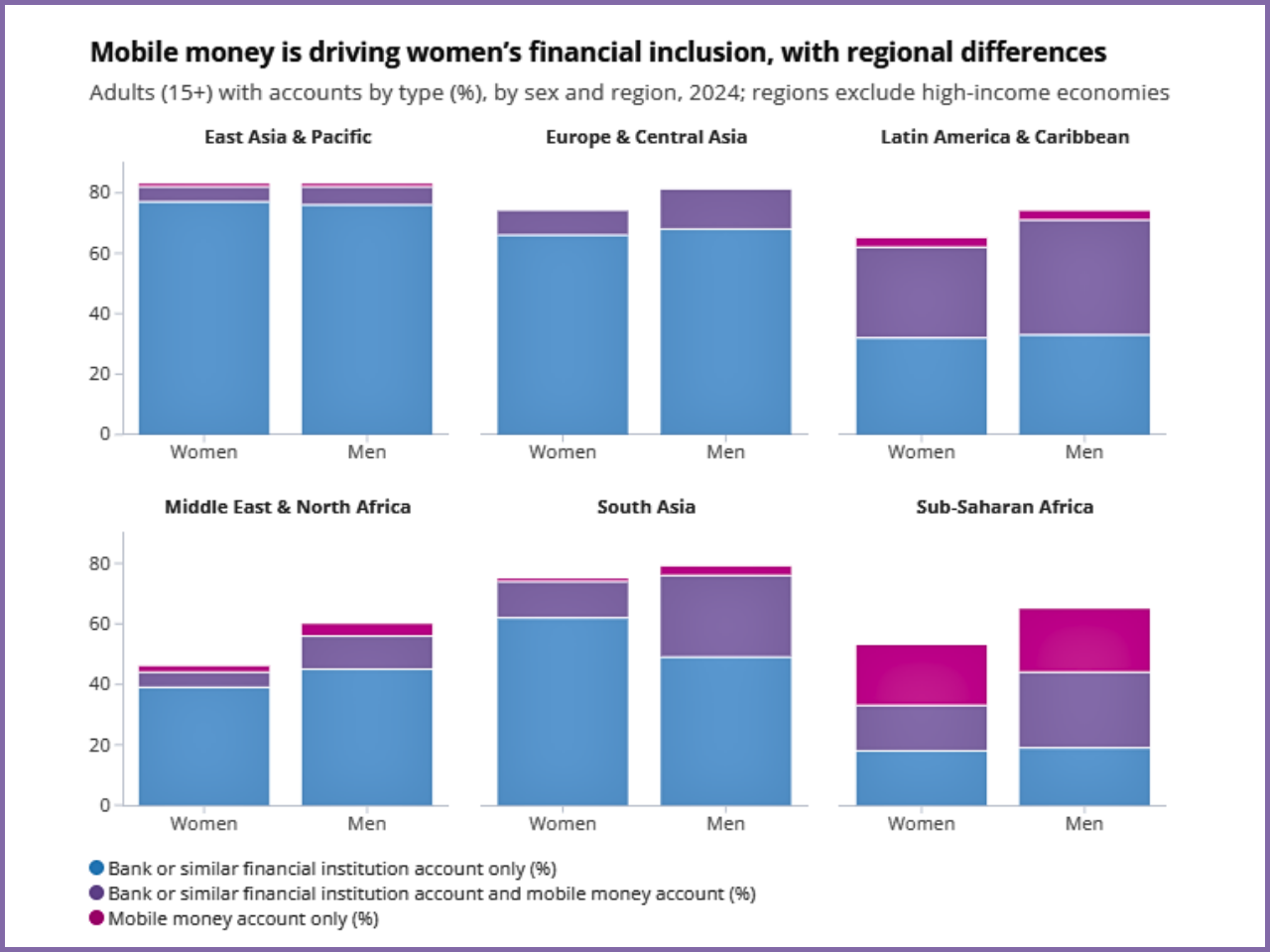
73% of Women in Low- and Middle-Income Countries Now Own Financial Accounts, But 700 Million Remain Unbanked

Global Findex 2025 data shows women's financial account ownership in low- and middle-income countries rose to 73% in 2024, up from 66% in 2021. Digital payment usage grew from 50% to 58% and formal savings from 22% to 36%, yet over 700 million women remain unbanked. High fees, distance, and limited access to credit continue to hinder full financial inclusion and economic independence.

Bond-stock correlation trends analysis
Explained / May 22, 2026
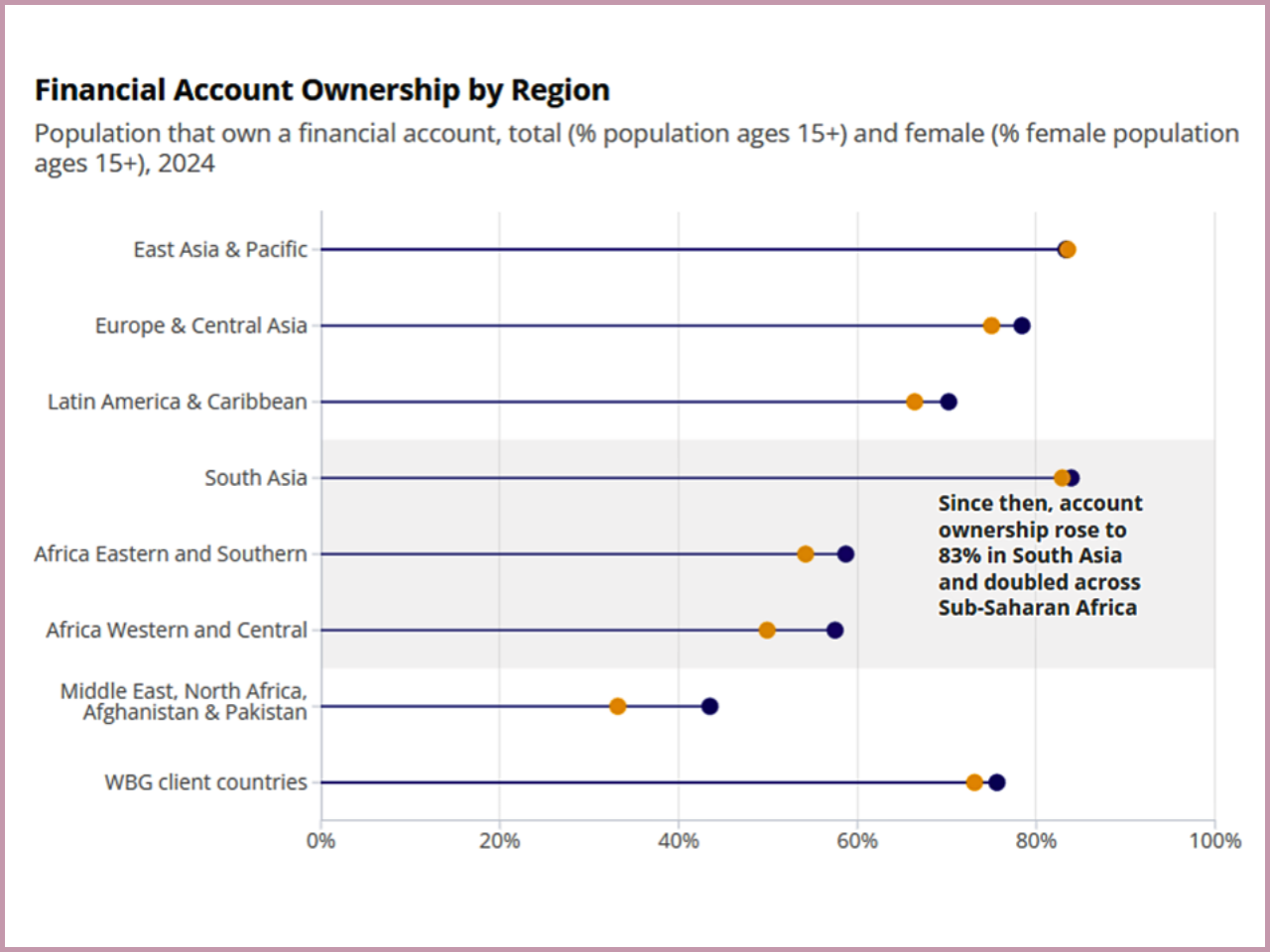
839 Million in Poverty, Yet 76% Have Financial Access: A Tale of Uneven Progress

The World Bank scorecard reveals mixed global development trends: 839 million in poverty, 76% financial access, and uneven progress in electricity & displacement, highlighting structural weaknesses & need for targeted action. The financial inclusion of women in South Asia is one of the most dramatic, as the number of female account owners increased from 27% to 83%. Aesthetically, the gender gap that used to prevail in the chart has been significantly reduced.

- Advertisement -


Editorial / Nilarani
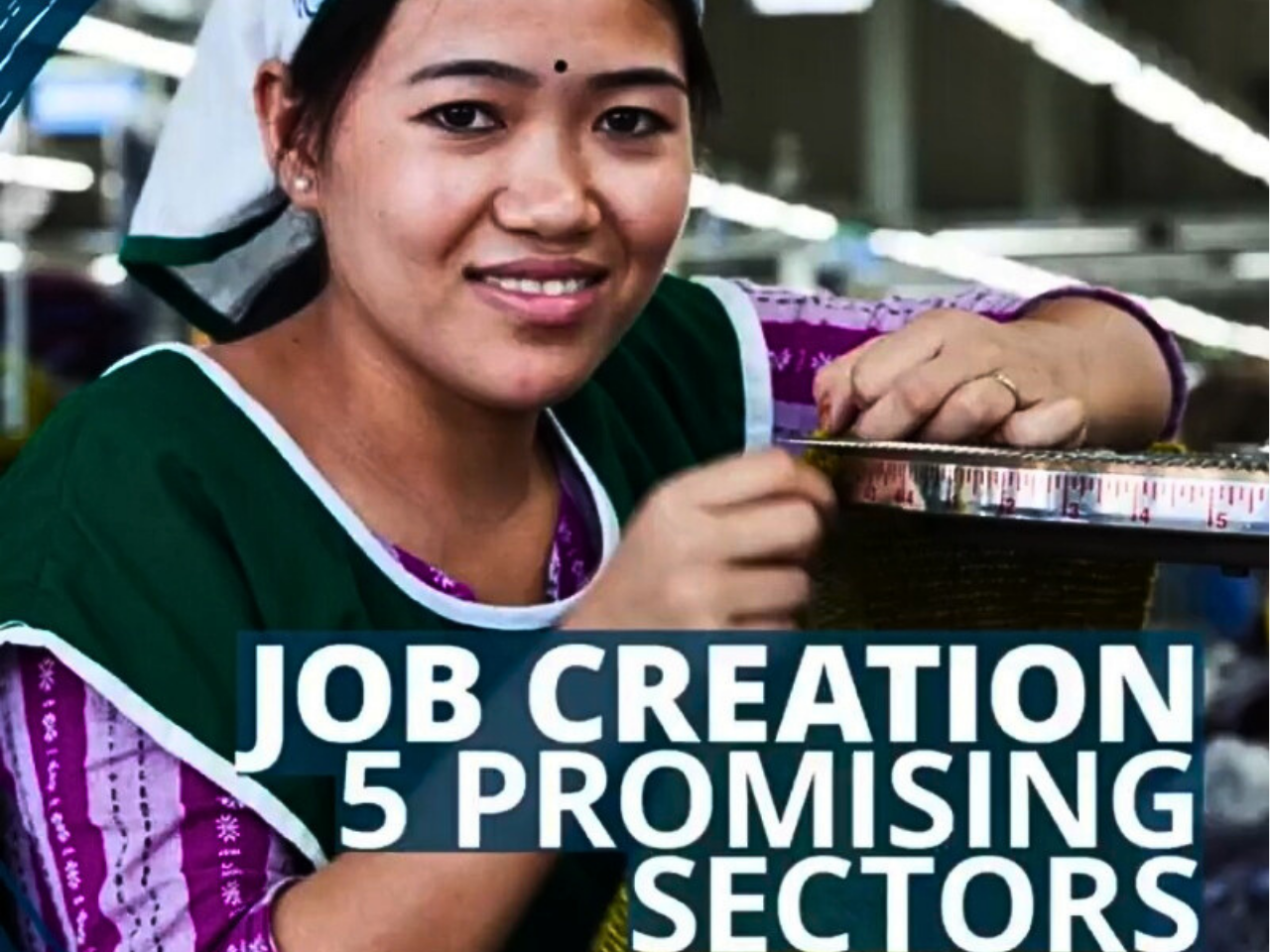
Jobs at the Forefront: World Bank's Strategy for a Resilient Global Economy

The World Bank Group has focused on five key industries in which there is great potential for creating employment opportunities: the energy and infrastructure sector, agriculture and agribusiness, health care, tourism, and manufacturing. Each of these sectors is interconnected with the other and supports the creation and development of many job opportunities and a broad-based development strategy.

Editorial / Avichal Sharma
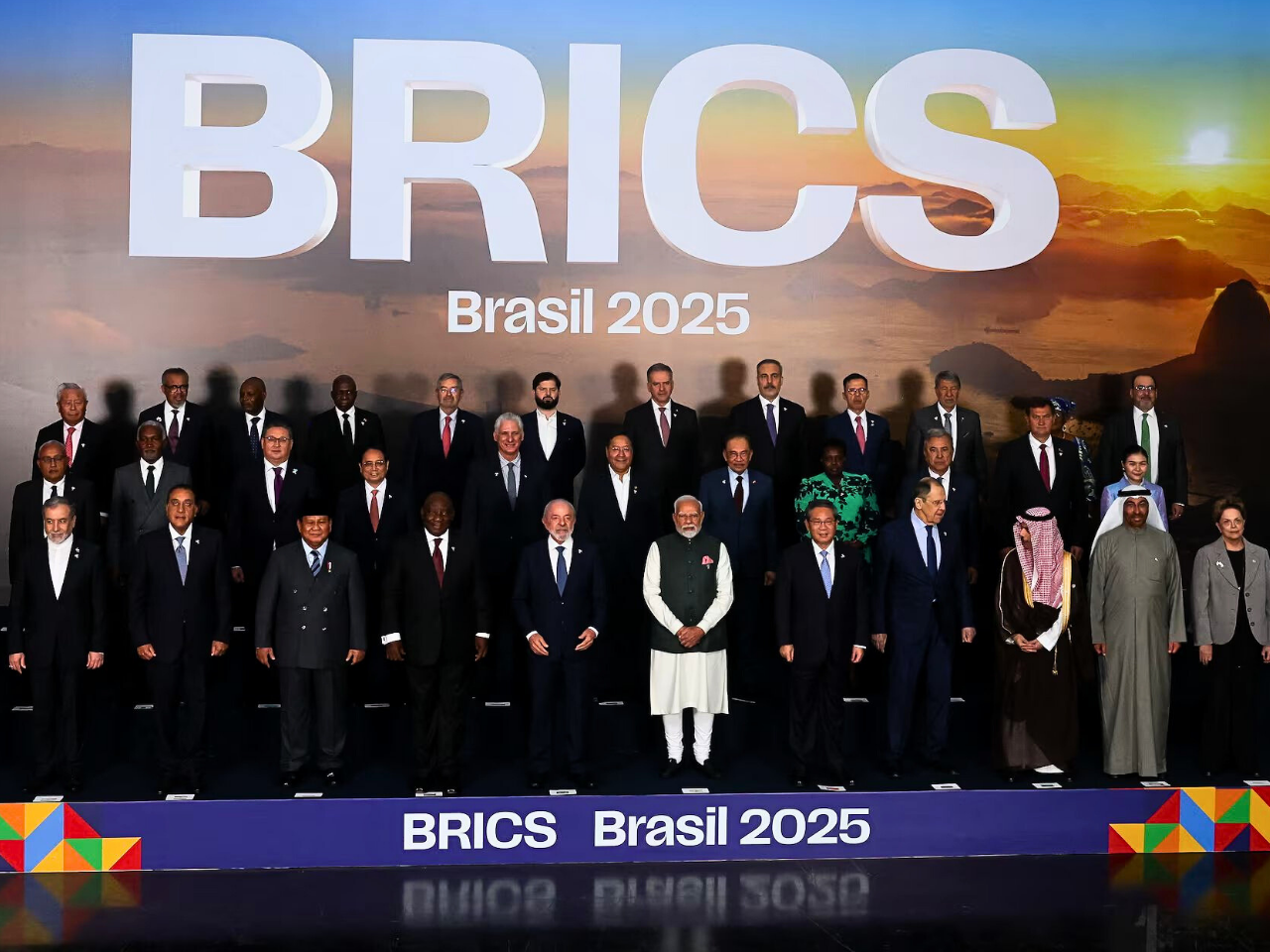
The Gathering Storm: How Trump's Tariffs Forged BRICS Unity

In a world long dominated by the financial tides of the US dollar, a new story is unfolding, driven not by a grand, planned design but by an unexpected external force: the tariff policies of Donald Trump. Trump's renewed presidency saw him sign an executive order in early 2025, first imposing tariffs on imports from China, then escalating to a "universal" tariff on nearly all imports.

Read More From Blog >>>


- Advertisement -