Breaking Down Barriers: How Canada Can Boost Productivity and Growth by Reducing Internal Trade Barriers
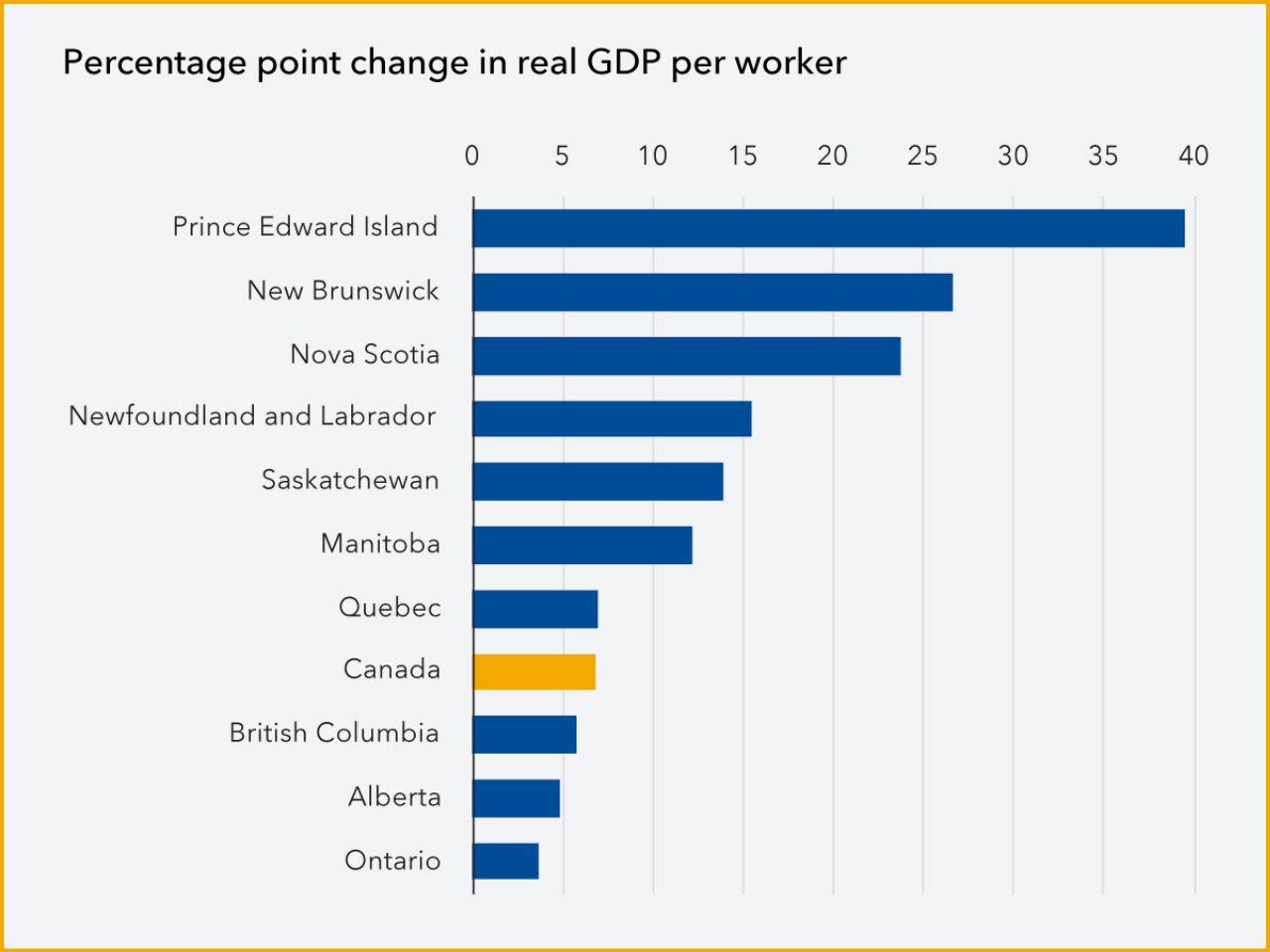
While Canada has an open economy to the world, internally it is actually made up of many distinct markets, which is the result of having numerous barriers to trade across the territories. The presence of these non-geographic (or policy) barriers to trade between the provinces/territories stems from the differences in the development of various regulations (e.g., regulations governing the provision of goods or services), forms of licensing, standards, procurement rules, and regulations governing the provision of services. On average, these non-geographic policy barriers create a cost that is equal to 9% of the value of all internal sales within Canada; education, healthcare, retail, and professional services sectors may have a significantly higher percentage. The removal of the trade barriers that exist between provinces with small populations will negatively affect provincial competitiveness more than national overall competitiveness due to reduced scale, less competition and lower productivity.
According to economic studies, if these stringent internal barriers to trade were reduced, Canada’s long-run real GDP would increase by an estimated 7%, representing an increase of approximately C$210 billion. Increasing the productivity of firms by removing these barriers would, in turn, stimulate economic development primarily through enhanced productivity, more efficient allocation of resources, increased competition among firms and improved firm growth versus demand increases in the short term. Services liberalization is important; nearly four-fifths of potential GDP improvement is anticipated to be due to services, as they play a significant role in the larger economy (i.e., finance, transportation, and telecommunications).
Completing the full liberalisation of services will take time; however, there are a number of sectors where immediate implementation can provide significant benefits. One area that will be beneficial is the need to strengthen cooperative federalism through mutual recognition of regulations and credentials, as well as promoting transparency in the marketplace. A benefit of increased integration into Canada's internal markets is that it will provide Canada with a low-cost, powerful way to boost productivity, resiliency, and inclusive growth in an uncertain global marketplace.
Latest News
EU Opens First Legal Gateway Office in India: A New Era for Talent Mobility and Trade
The long-awaited India-EU Free Trade Agreement (FTA) was finally signed, ending two decades of talks. European Commission President Ursula von der Leyen opined that the new office will serve as a single-stop shop to Indian students, professionals, researchers, and seasonal workers. The facility will unite visa data, mobility advice, and employer connections across Europe to streamline access to lawful migration routes and align with the labour-market needs and legal frameworks of specific EU member states.

Europe's Aging Population Meets Social Economy Solution: Care, Housing, and a New Era of Support
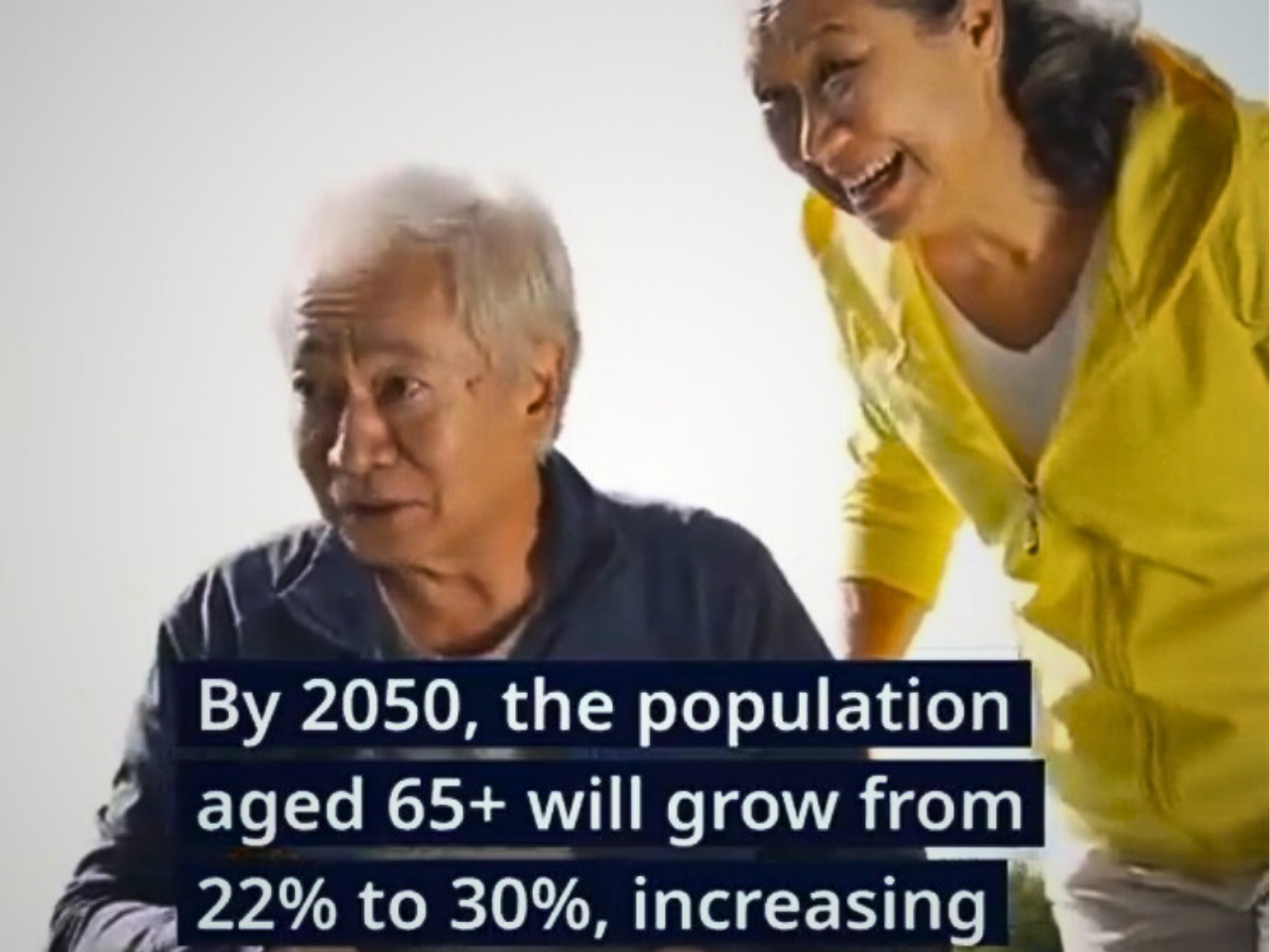
Europe is under the pressure of increasing ageing of its population, mounting care demand with a decreasing workforce, and escalating cost pressures. In the present day, caring is the reason behind almost one in every three Europeans, which highlights the burden on families, the labour market, and the welfare systems.
Rethinking AI Sovereignty: Why Strategic Interdependence is the Key to Global Competitiveness
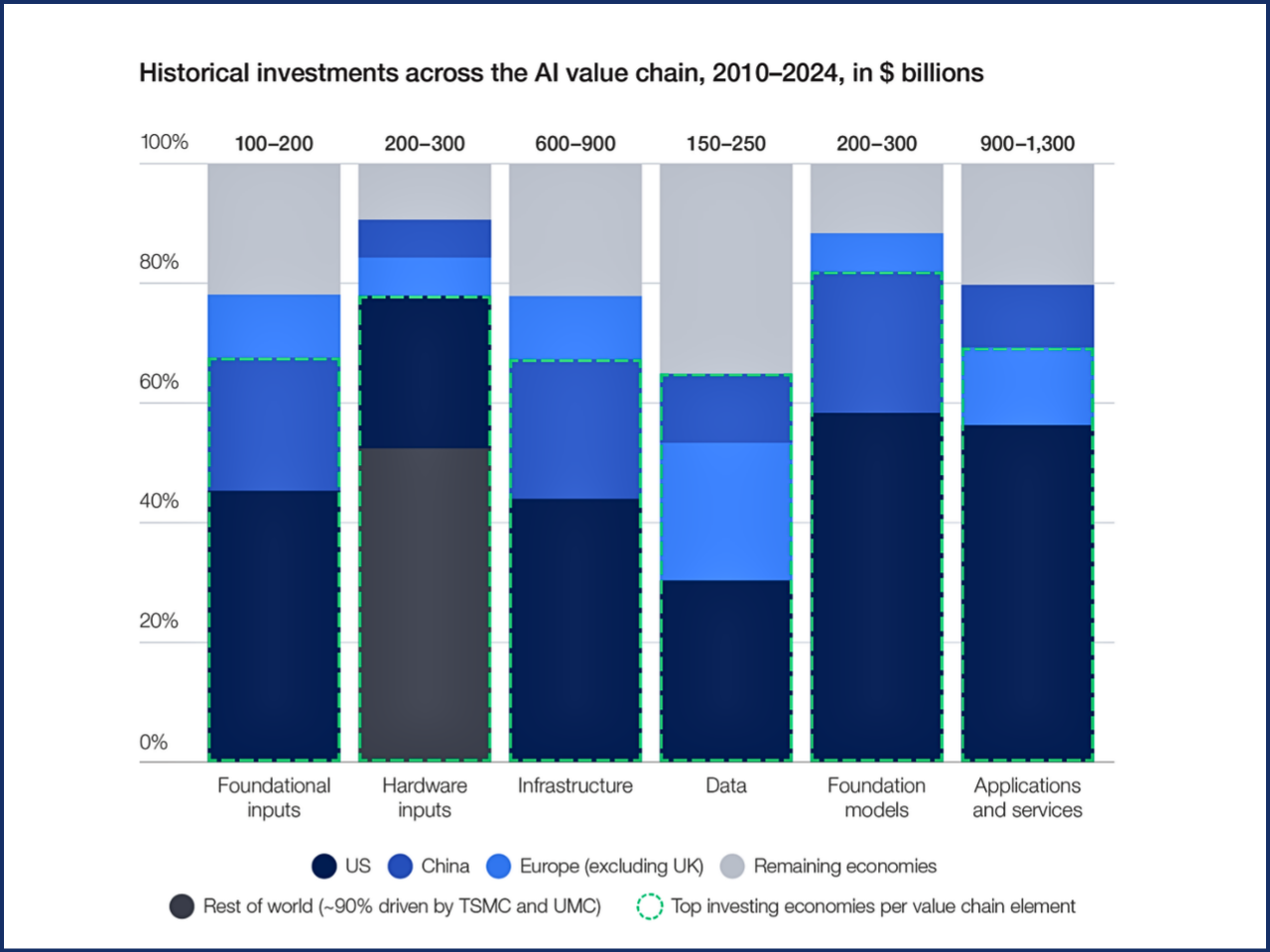
The case that, rather than defining “AI Sovereignty” in terms of total self-sufficiency, a new framework based on the concept of strategic interdependence is more compatible with achieving success in an AI environment and will produce a competitive advantage for economies. Strategic interdependence focuses on encouraging collaboration based on comparative advantage (what an economy does well), interoperability between AI systems, and creating regional and global trusted partnerships.
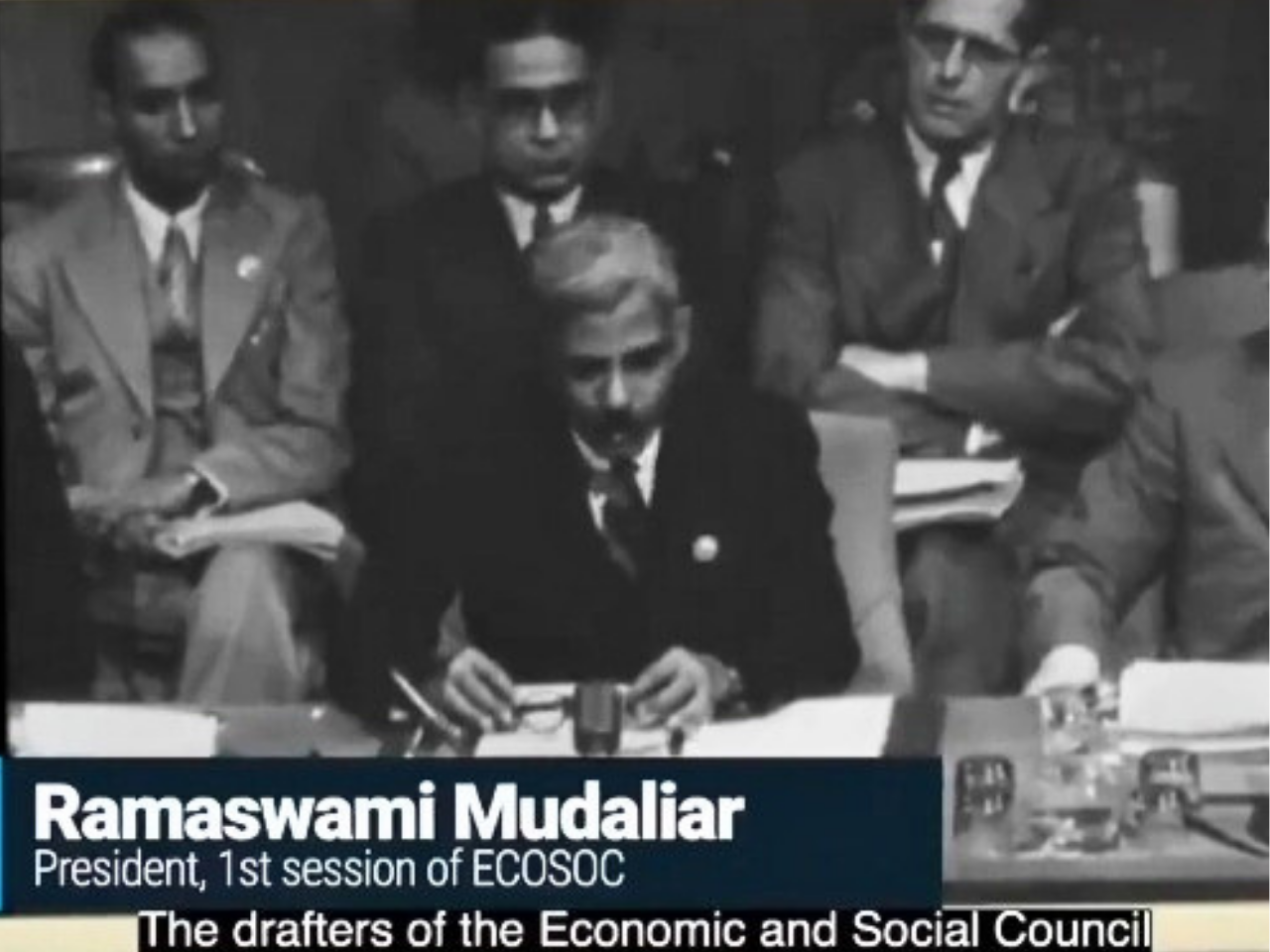
ECOSOC at 80: A Turning Point for Multilateralism and Global Cooperation
The United Nations Economic and Social Council (ECOSOC) celebrated 80 years since its inception as provided in the UN Charter in 1945 and its first formal assembly in 1946. This anniversary would be a good time to look back at the historical legacy of the Council and to re-establish its relevance in creating an inclusive, resilient, and progressive multilateral system.
Latest Podcast

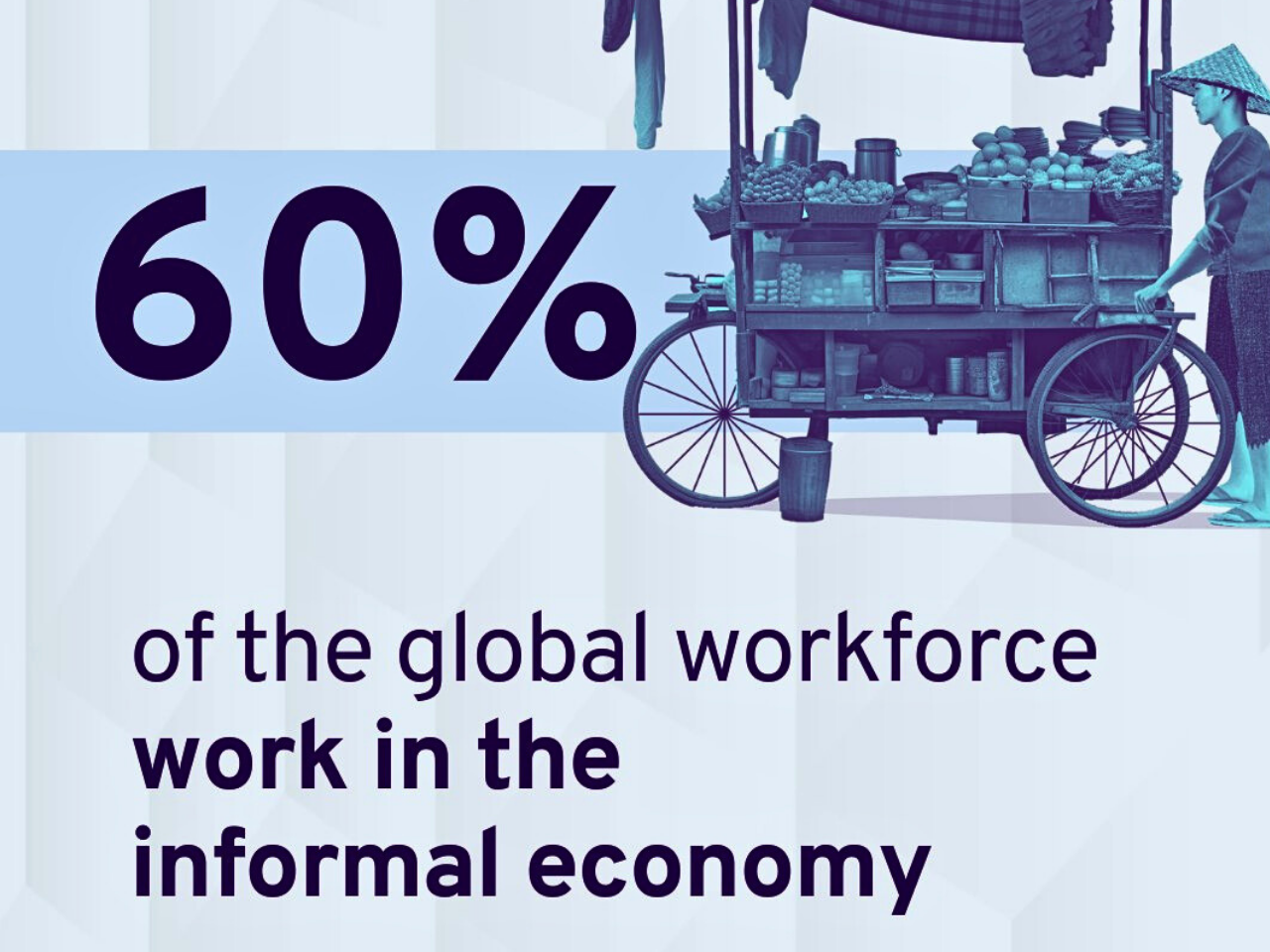
Global Labor Market in Crisis: 2.1 Billion Workers in Informal Employment, 284 Million in Extreme Poverty
According to the Employment and Social Trends 2026 report from the International Labour Organisation, the world labor market has remained tough amid continued economic instability. While the global unemployment rate is predicted to stay very low at 4.9% in 2026, it is also expected to reach a record high of 4.9% by that year.

Free To Activate Membership