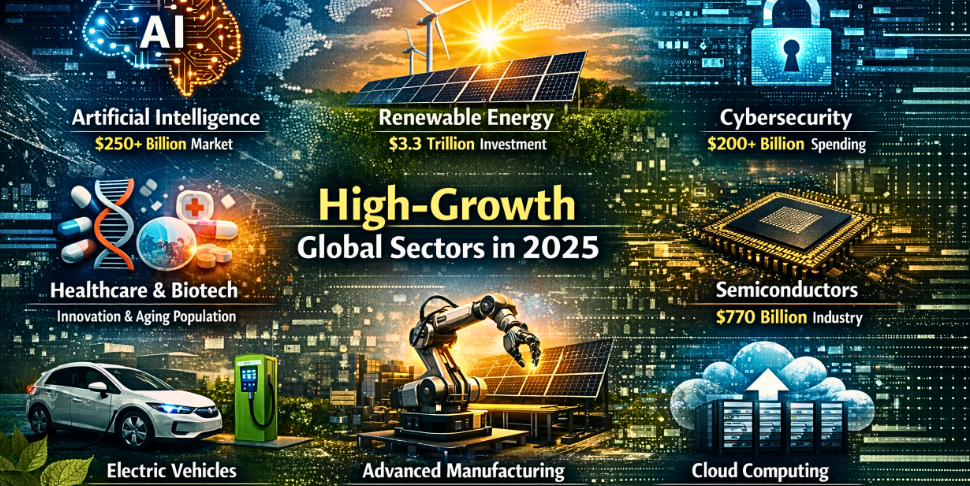
India's AI Revolution: Can Tech-Driven Growth Propel the Country to New Economic Heights

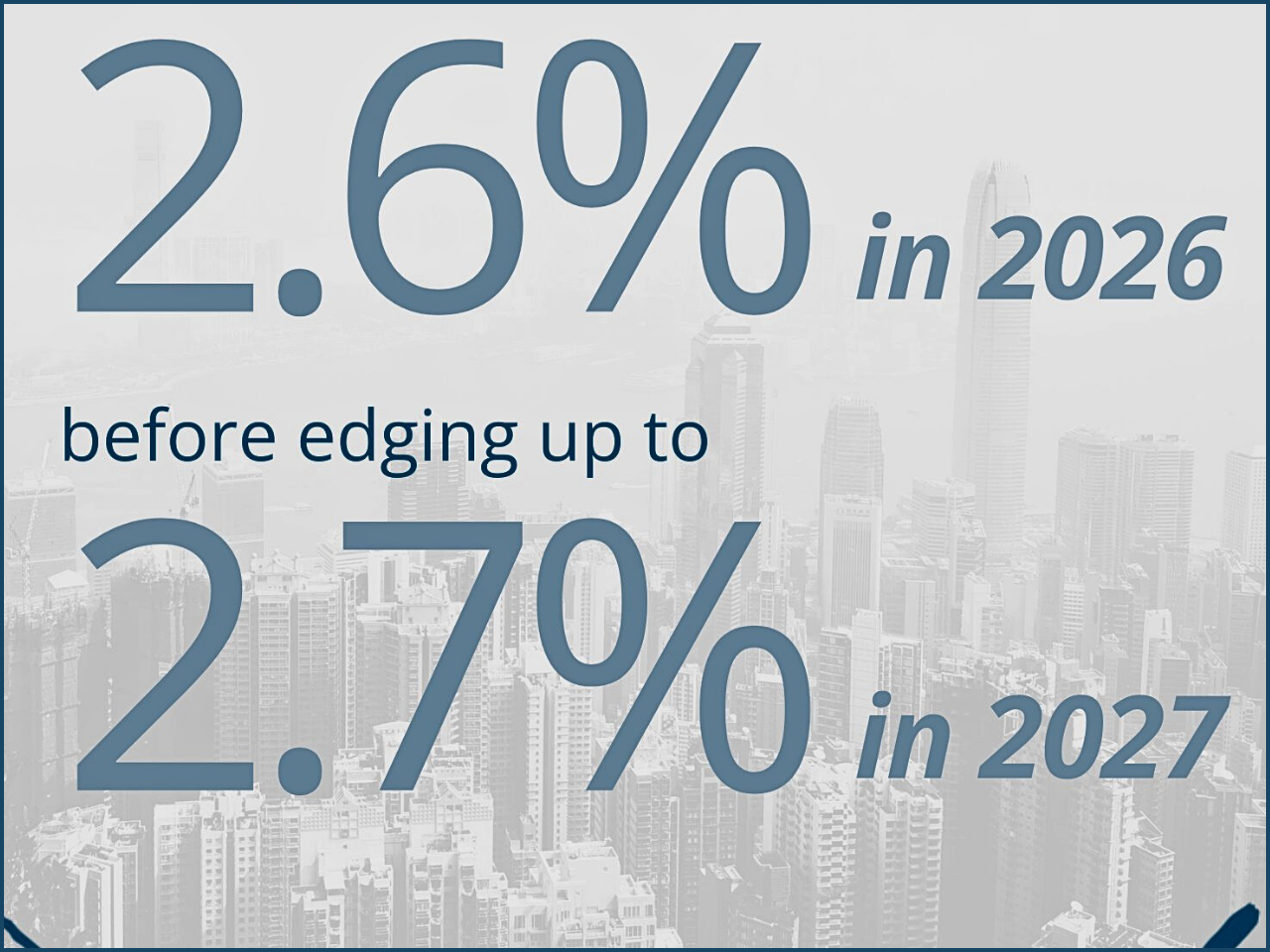
The innovativeness, transition to the use of artificial intelligence, and changes in regulations hindering the development of businesses will help India to enter a new phase of economic growth. Recent analysis by the International Monetary Fund indicates that productivity growth could increase by almost 40 percent if the country manages to remove impediments that bar the expansion and creativity of firms. This would be economically meaningful, a boost to scale equal to adding the output of one of India's largest state economies to the national production every decade.
The productivity increase in India during the last 20 years has been mainly propelled by the high growth of high-value service sectors, digitalization, and greater penetration into the global economy. Statistics indicate that the output per incremental worker in the services sector is much more than that in the agricultural sector, and this indicates the increased role of technology and knowledge-based industries. The manufacturing industry has not been as successful, though. One of the strongest weaknesses is the prevalence of very small companies (most of them have difficulty scaling because of the complicated compliance processes, strict labor regulations, and limitations of the market). Such structural problems decrease the efficiency and slacken the overall productivity development. Another concern is that of business dynamism. Compared to developed and emerging economies, the entry and exit of firms are lower in India, and this inhibits the process of competition and reduces the rate at which capital and labor are transferred to ventures that are more productive. Another reason, as advanced by economists, is that there are so-called zombie companies that survive on low profitability and consume resources that could otherwise be used to contribute to innovation-driven firms.
Even though innovation is underutilized, spending on research and development is less compared to other peer economies. However, the growing digital environment and the rapid adoption of AI in the country are major opportunities. Moreover, nearly 60 percent of Indian companies are said to use some form of AI, meaning that they are well prepared to change technologically. Analysts point out that to ensure AI-driven growth is inclusive, investments in skills training and digital infrastructure, and supporting policies would be essential. A set of more closely synchronized reforms aimed at innovation, competitiveness, and labor mobility might enable India to make a major step toward becoming an advanced-economy nation in the long term.
Latest News
World Bank Unveils New Era of Debt Transparency: 3 Pillars to Boost Global Financial Stability
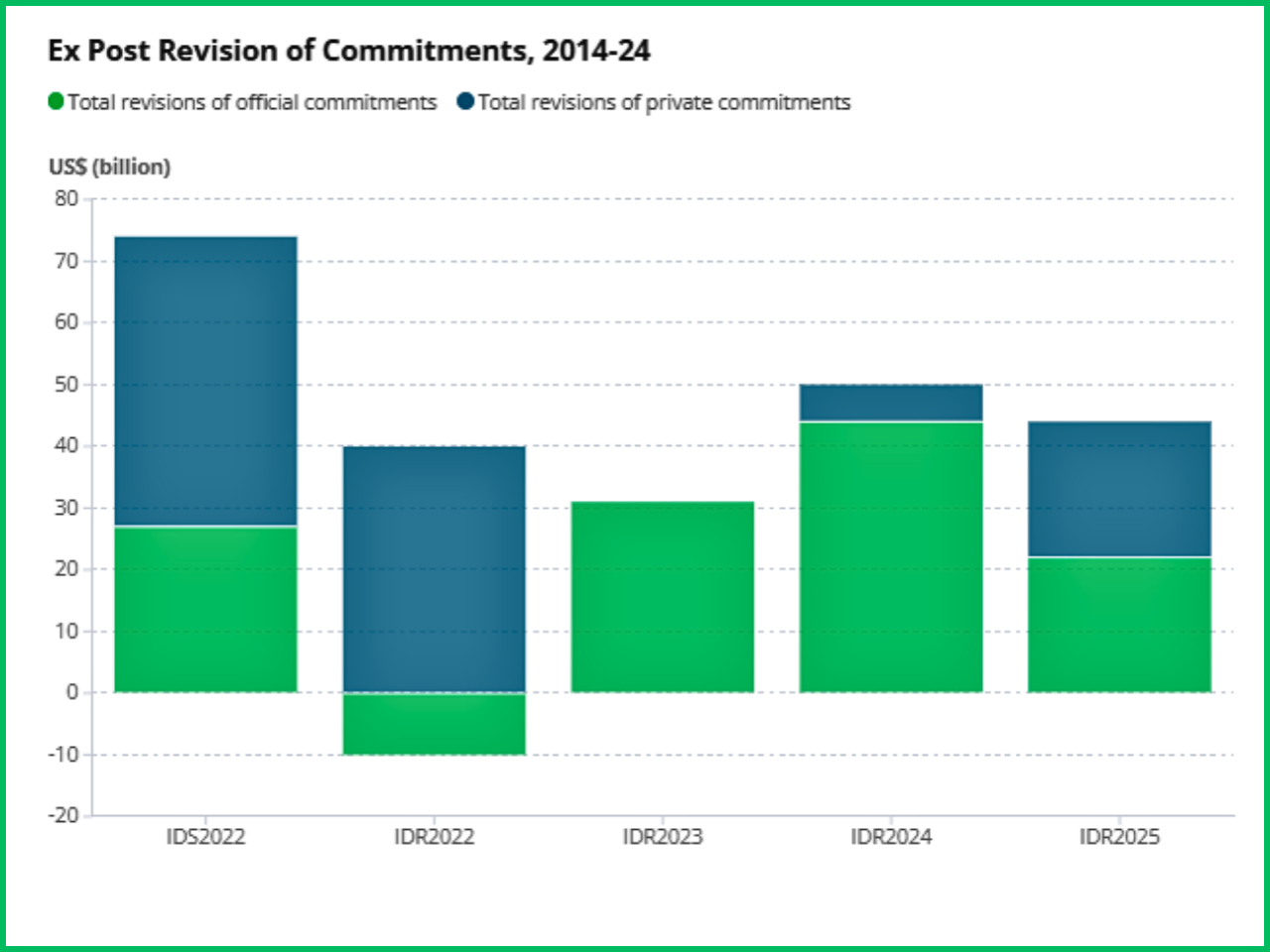
Over the last ten years, the World Bank has expanded its International Debt Statistics (IDS) program to cover a much larger portion of the world’s external debt, thereby increasing usability and comparability. However, consistent definitions and reporting practices must also be used in conjunction with disclosure in order to create real debt transparency.
South Asia's Climate Crisis: 90% Population at Risk of Extreme Heat by 2030
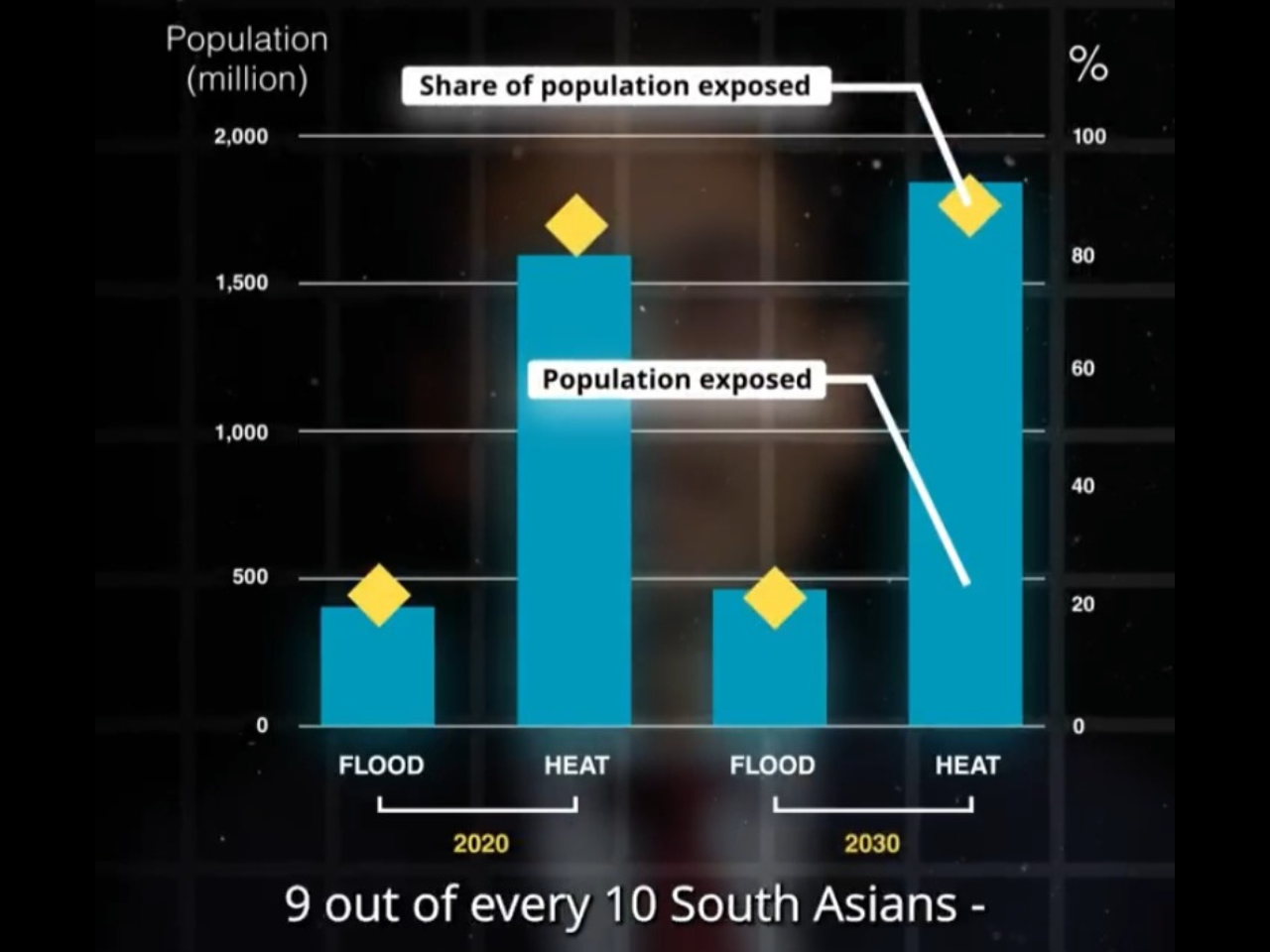
The area is already the most vulnerable to climate change among emerging and developing markets, and it is estimated that almost 90 percent of its population will be in danger of extreme heat by the year 2030. The exposure in urban context is also observed to be quite alarming: by 2030, 1.2 billion of the urban population (92 percent) is projected to be exposed to extreme heat, and 322 million (24 percent) will face flood risks.
EU's HOUS Committee Takes Bold Steps to Address Housing Crisis by 2026
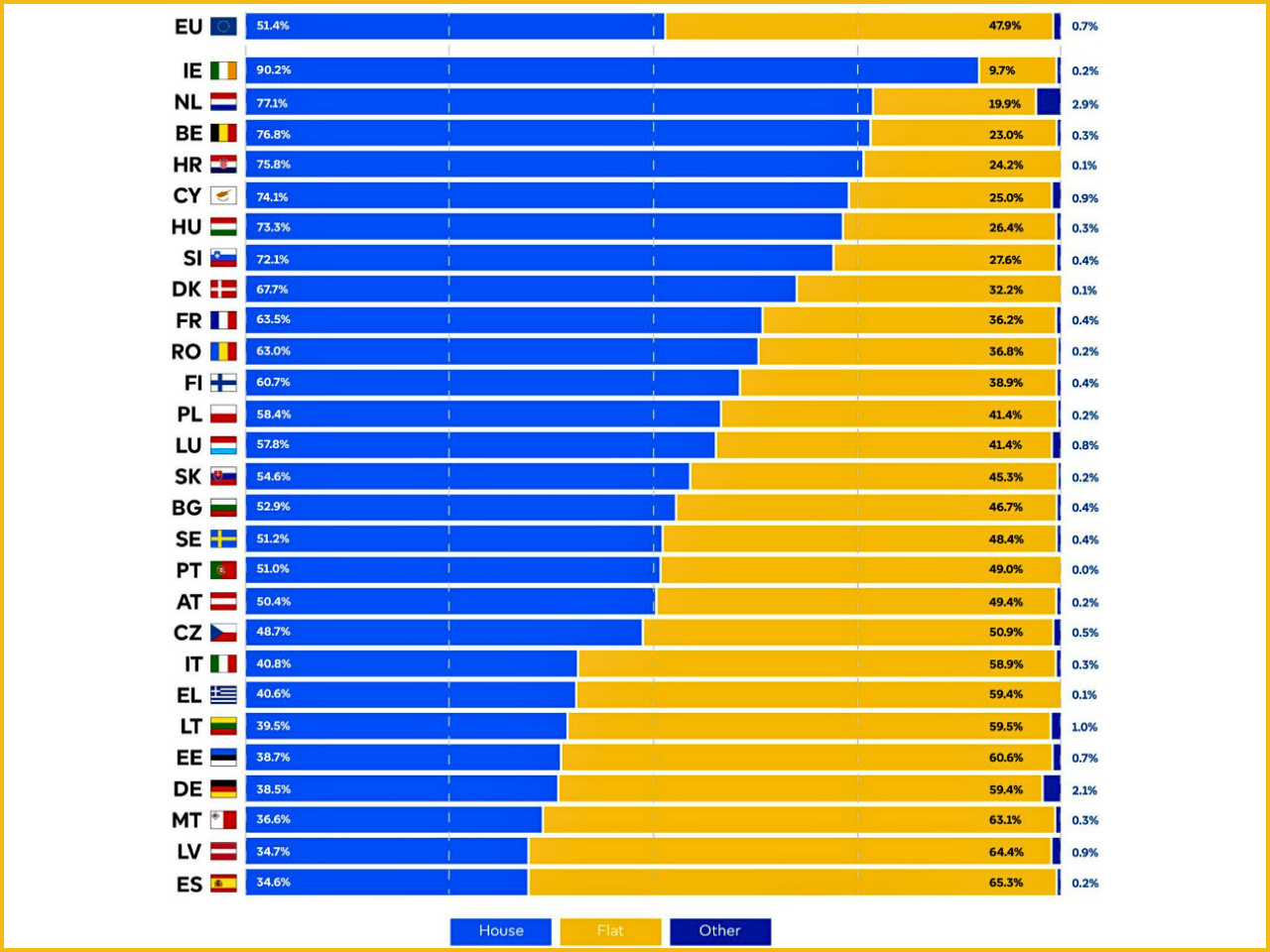
The European Parliament’s HOUS Committee (Housing Crisis in the EU) has a mandate to develop solutions for housing issues in the EU (affordable, sustainable, and decent) aimed at resolving these issues by 2026. The European Commission’s Joint Research Centre and Eurostat for meetings held in January 2026. These meetings have been very valuable in providing the members of the committee with an improved understanding of housing data and housing policy.
Data Centre Boom Sparks Energy Crisis: Power Companies Scramble to Meet Surging Demand
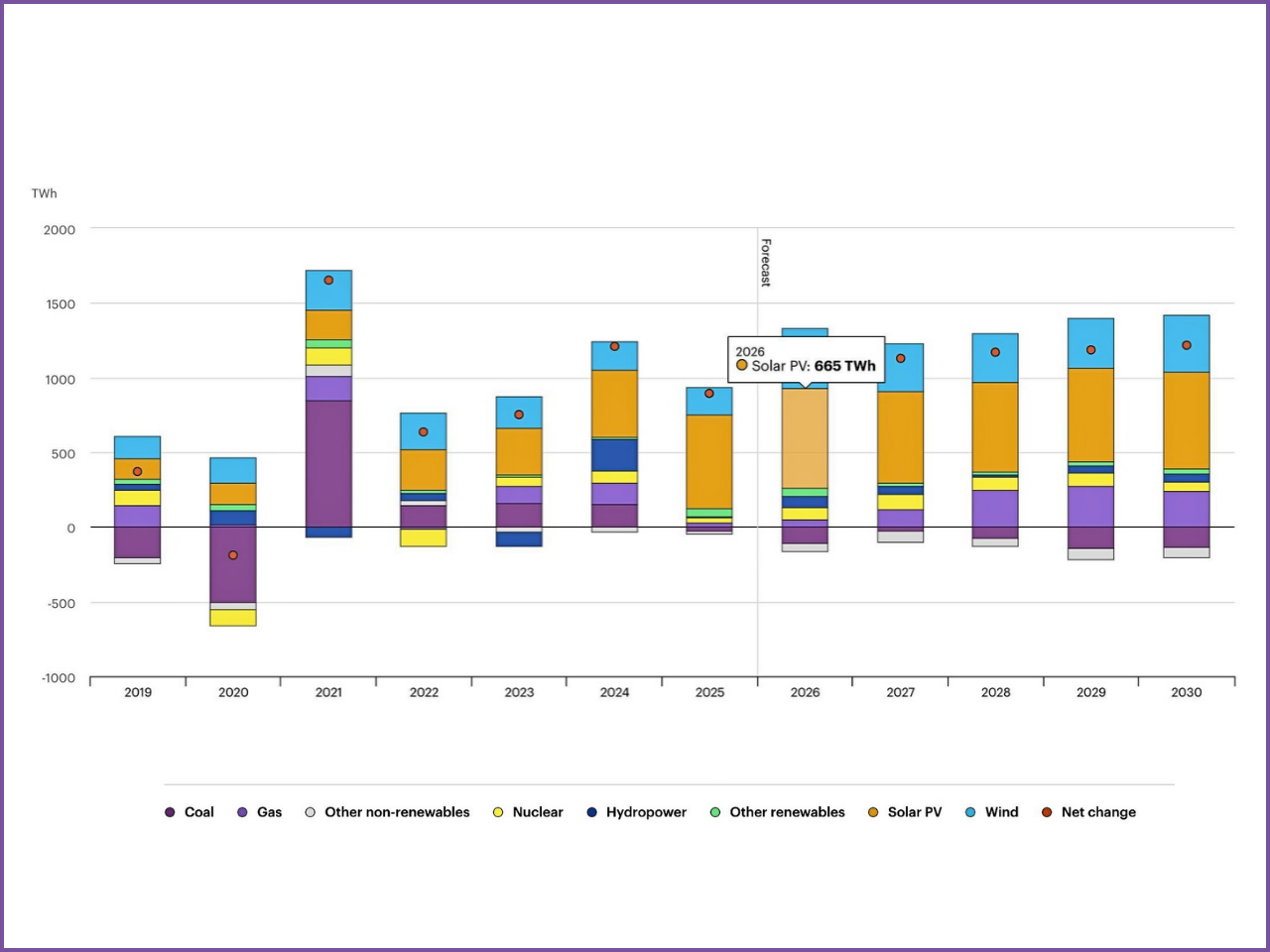
The industry that capital outlay on data centres may approach approximately 7 trillion dollars by 2030, of which approximately 1.3 trillion dollars will be used in power generation, cooling equipment, and electrical equipment. In Ireland, data centres already represent approximately 20 percent of national electricity consumption, as the example of the digital infrastructure redefining energy demand shapes up that speedily.

EU's Zero Pollution Action Plan: Aiming for a Toxic-Free Environment by 2050
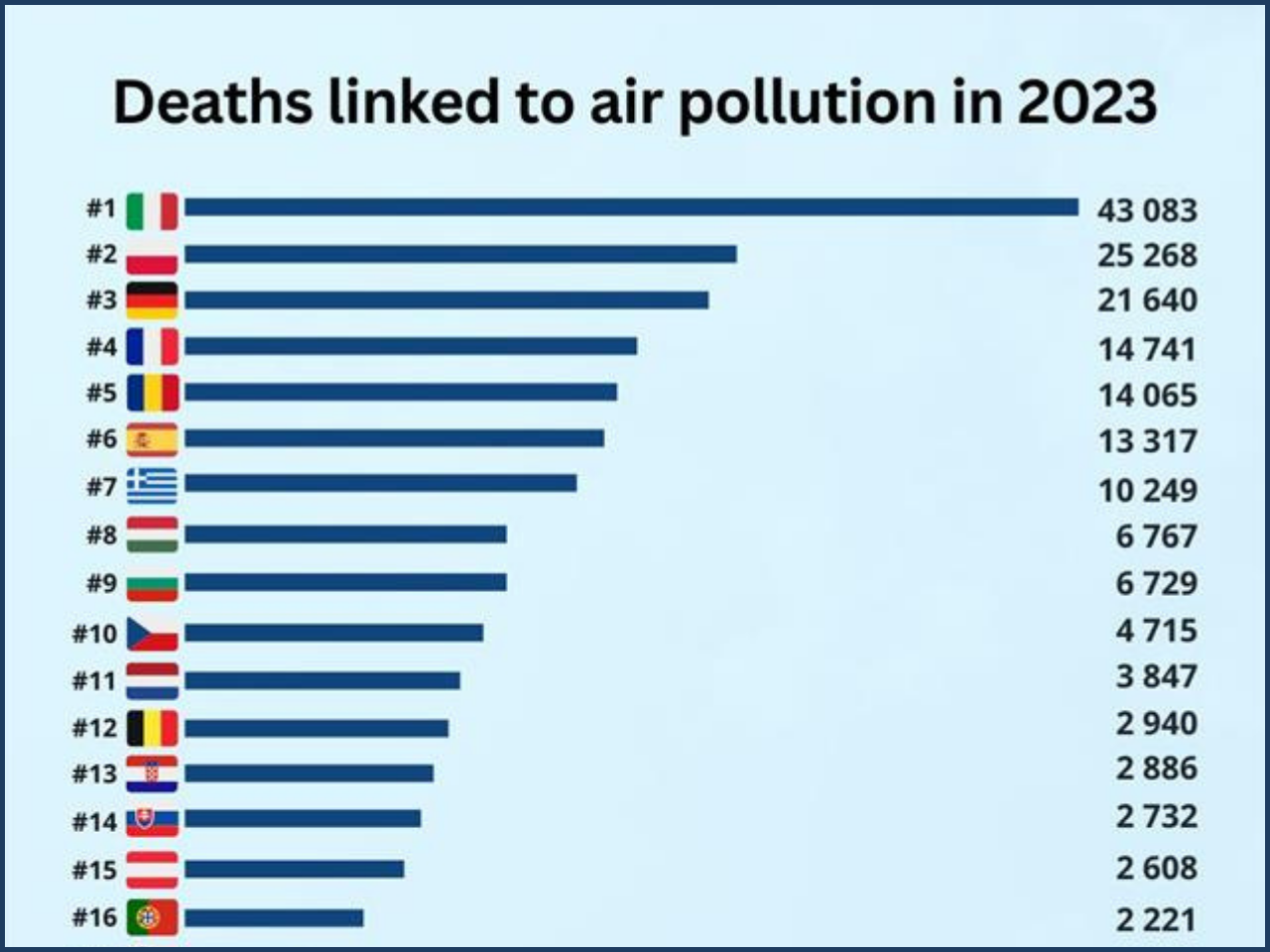
The European Union’s “Zero Pollution Action Plan” will strive to achieve an environment without toxins by decreasing air, water, and soil pollution to levels that have no effect on human health or the ecosystems’ ability to function properly and provide vital services (e.g., storing carbon or filtering pollution). The plan includes significant targets for progress toward 2030, including a 55% decrease in premature deaths caused by air pollution.
Monthly Edition

Latest Podcast



EP-Prime Membership