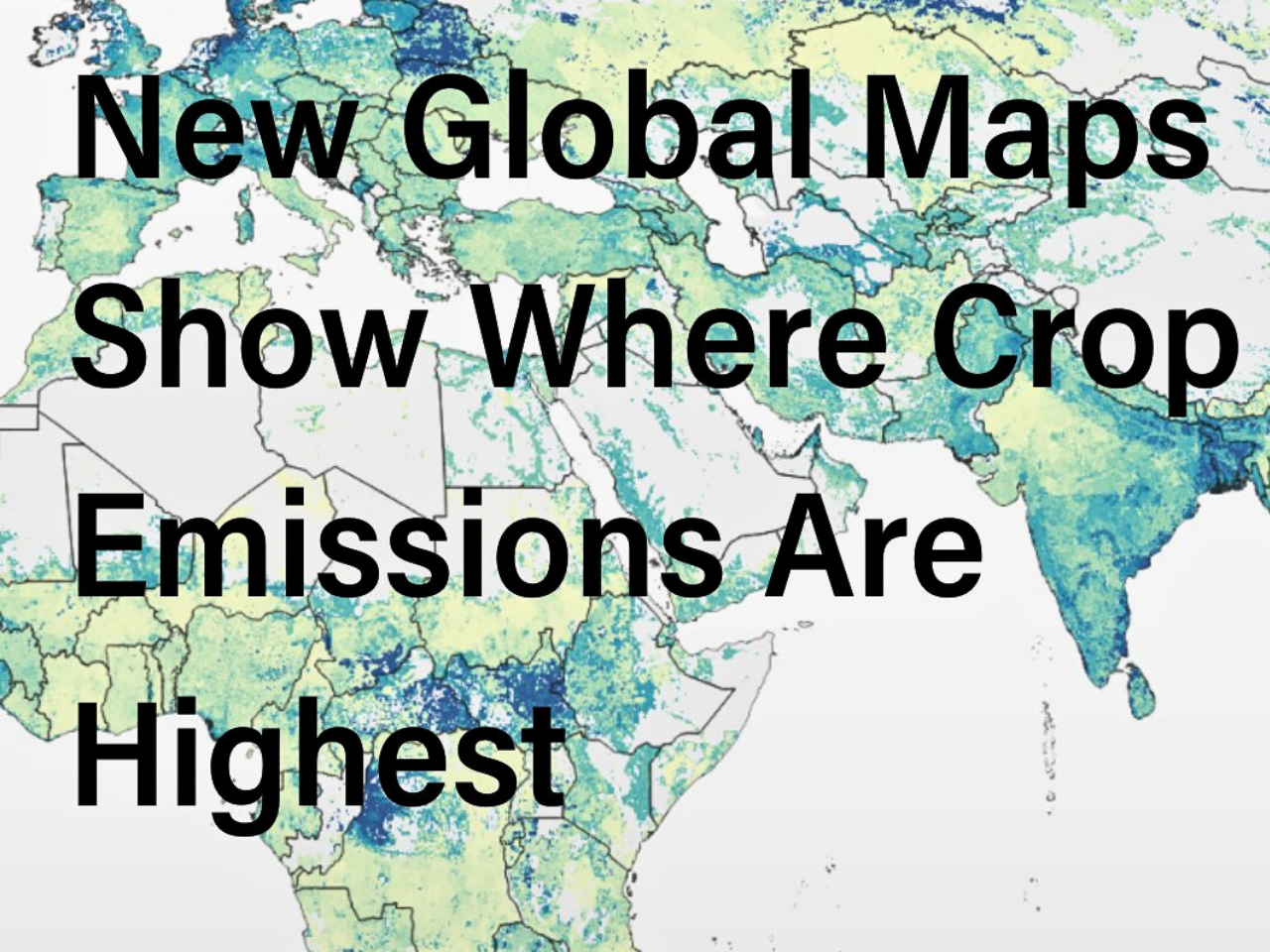
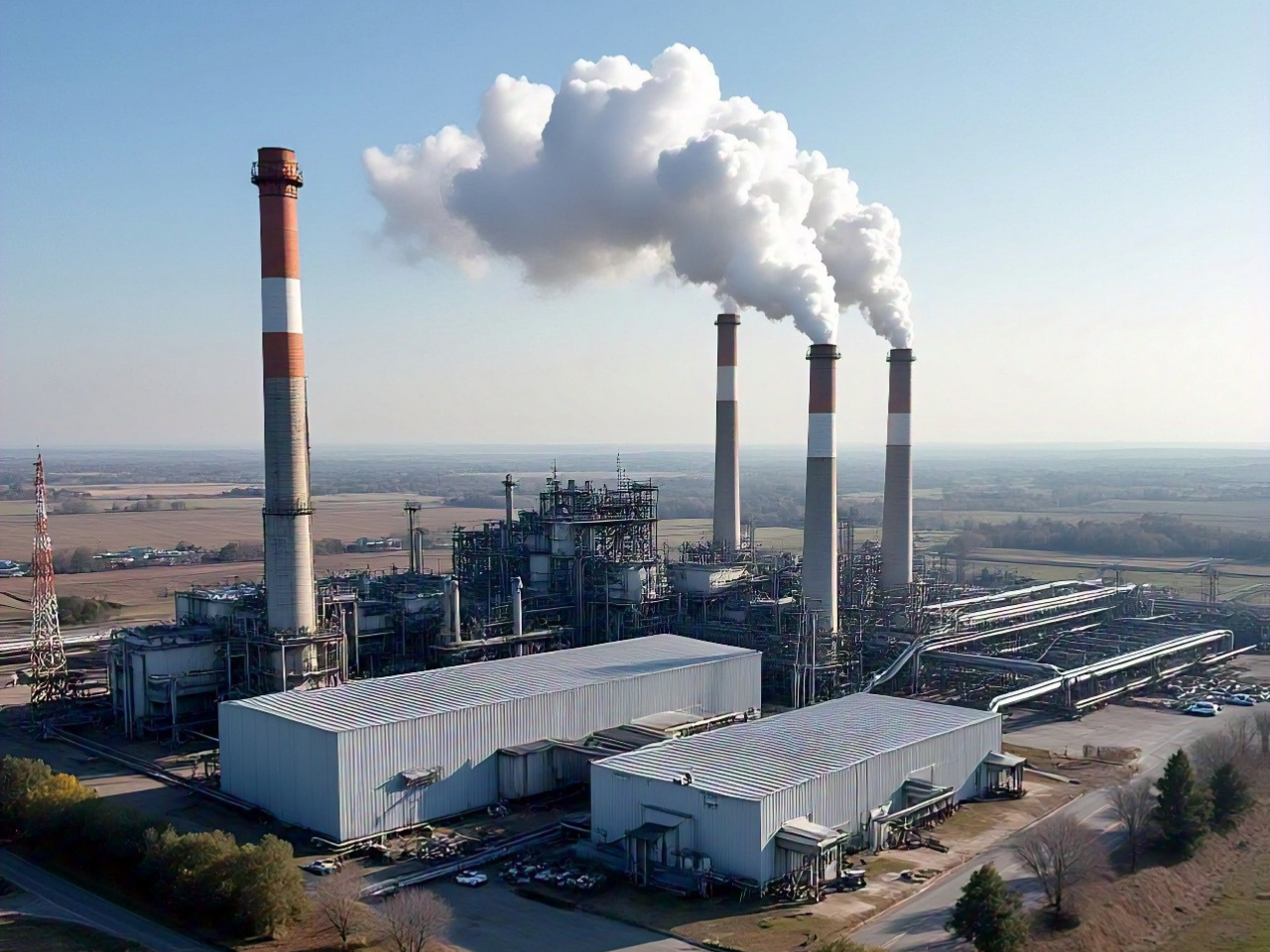
Emissions from drained peatlands rose slightly
in Southeast Asia, though uncertainties remain in data estimates. Feeding a projected
global population of nearly 10 billion by 2050 without sharply increasing emissions
presents a critical challenge. Due to staple crops being the building blocks of food
security, cultural identity, and livelihoods, replacing these crops is not an option
that either makes sense or is desirable. Changes in agricultural practices will be the
viable means of advancing. For instance, with rice, mitigation of methane emissions can
occur through alternating the permitting of wet and dry periods instead of flooding.
Crop residue management (composting or using straw as animal feed) can also contribute
to the reduction of greenhouse gas emissions by not burning or incinerating waste products
resulting from rice productivity.
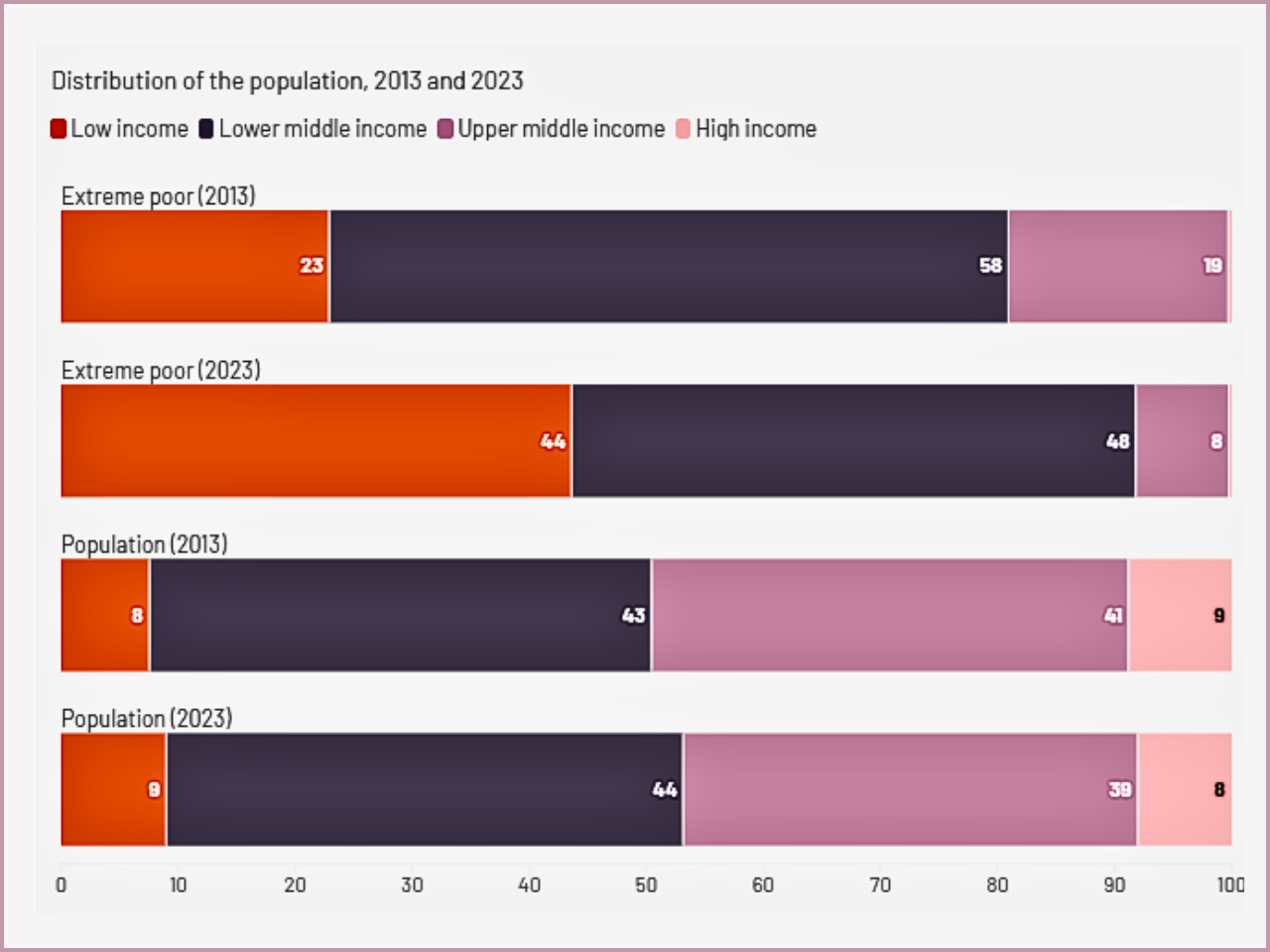
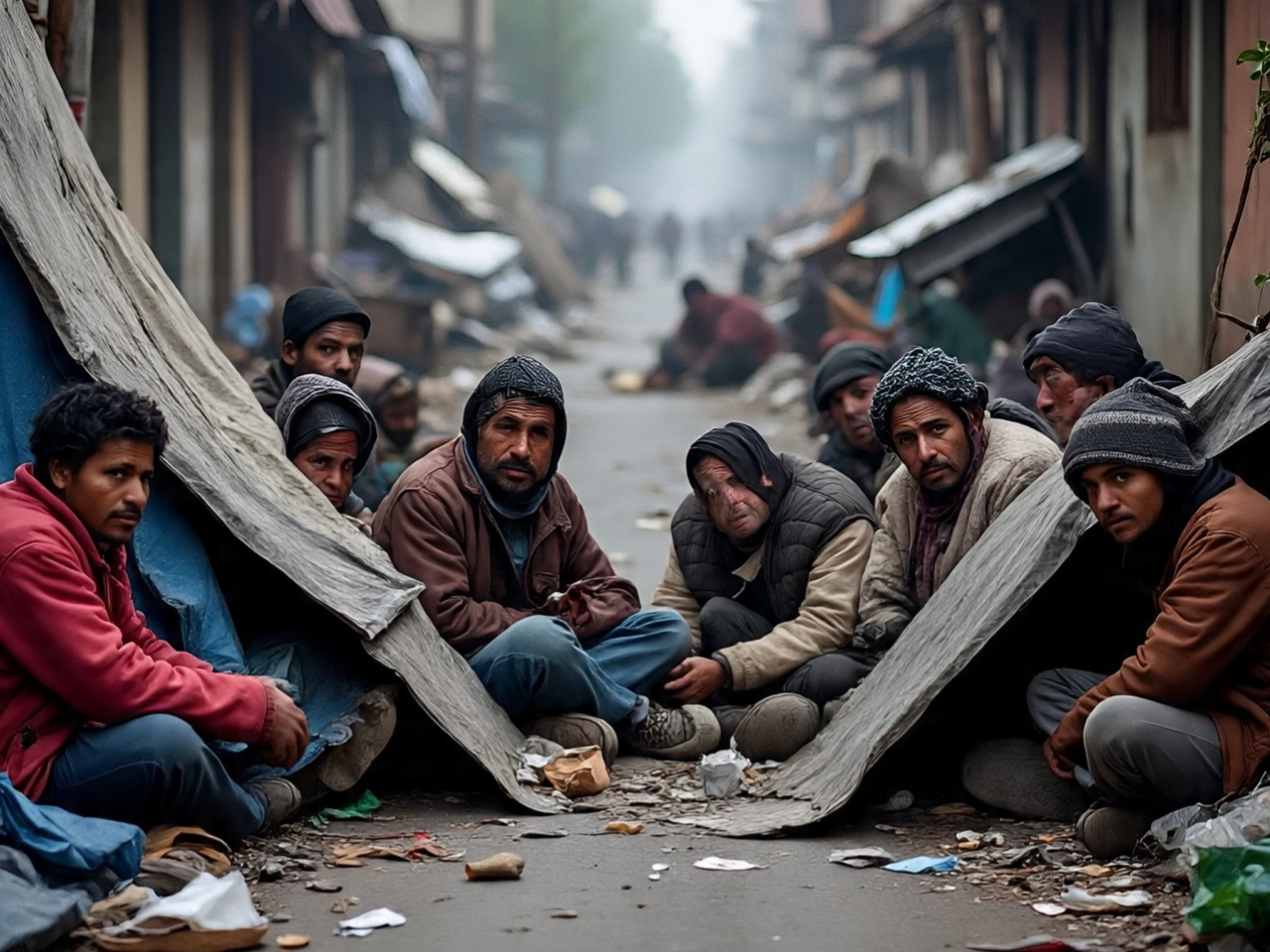
The percentage of people living
in extreme poverty in rural areas
of sub-Saharan Africa increased dramatically from 33 percent in 2013 to
53 percent as of 2023. The percentage
of the world’s total poor who reside in urban areas of Africa has more
than doubled since 2013, despite urban
areas of Africa comprising a small proportion of the global population.
There has been a significant change
in terms of who makes up the population that falls below the poverty
line today. More than half (or 46%) of
those living in extreme poverty today are less than 15 years of age.
This means over 50% of all people living
in extreme poverty are children. Despite overall decreases in poverty
rates for all age groups, there has been
less of a decrease when it comes to youth (age 15 to 24) than with
adults (over age 25).
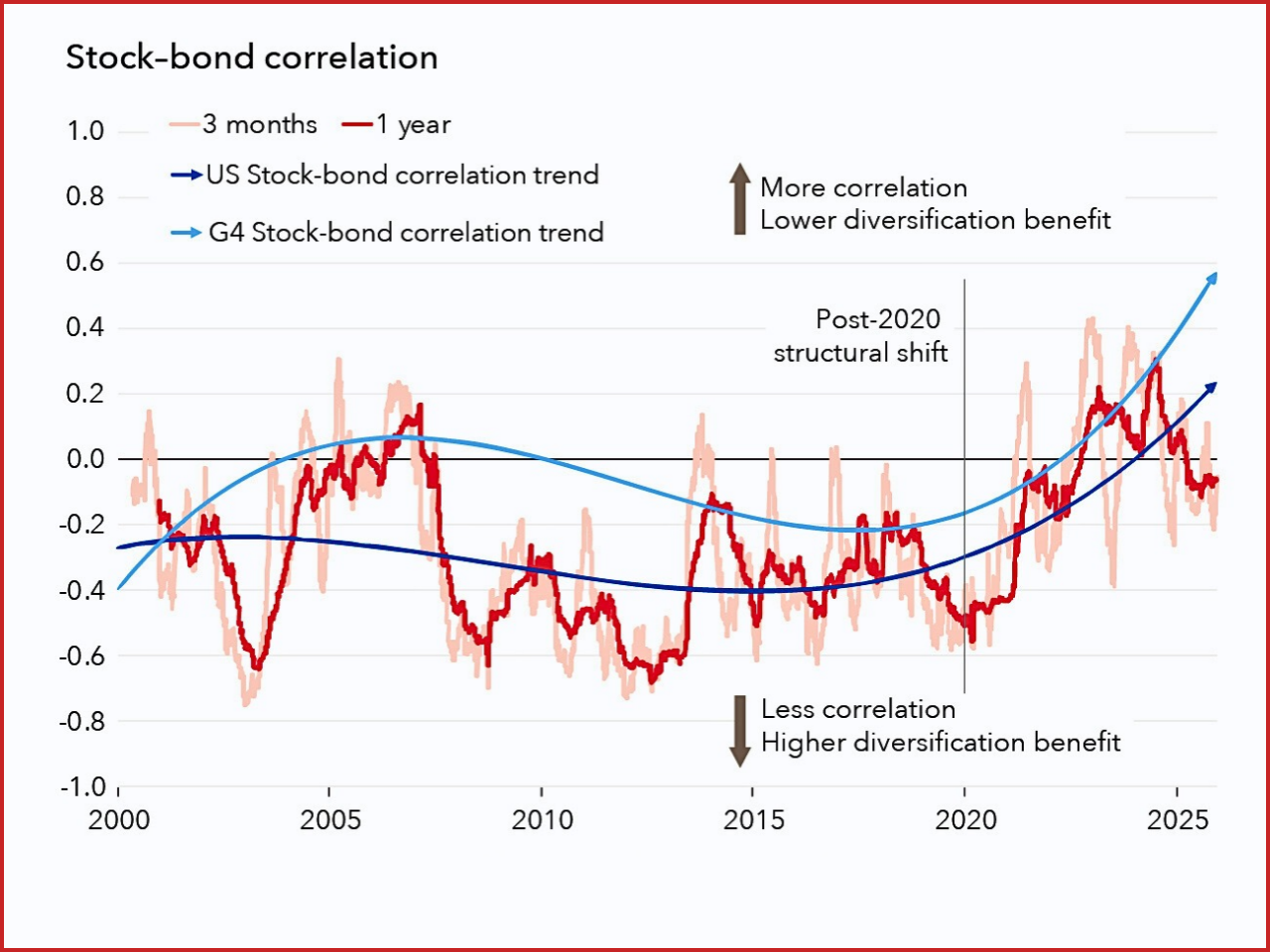
According to IMF analysis, the
stock and bond returns have been trending in the same way, mainly on
acute selloffs, since early 2020. Rather than bonds covering the losses
of equity, the two asset classes have sometimes declined in tandem,
eliminating the diversification advantages. It seems that the shift
started towards the end of 2019 and accelerated with the supply shocks
prompted by the pandemic, which created global inflation. Statistics
provided by the IMF indicate the presence of a structural break. In the
pre-pandemic past, the correlation between equities and government bonds
rolled negatively in the majority of cases. In 2020, the trend of the
correlations was positive and often had a positive value.
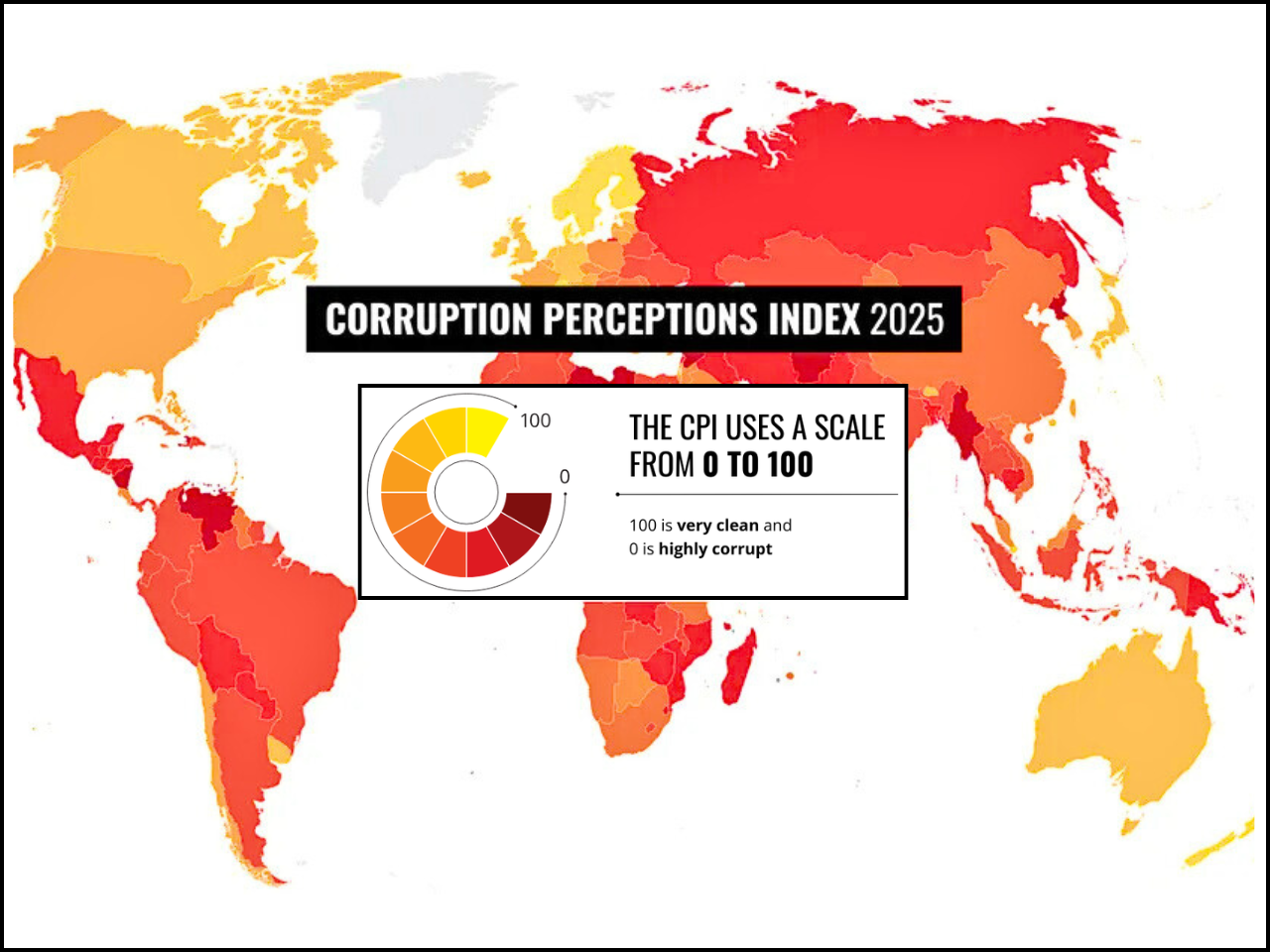
Over two-thirds of the nations
had a score of below 50, meaning they were facing serious corruption
issues in huge portions of the world. Nordic and highly
institutionalized democracies still dominate at the top of the index.
Denmark was ranked first with a score of 89, and this has followed a
long track of good performance in governance. Other advanced nations are
Finland, Singapore, and New Zealand, which are known to have a good
reputation in terms of good institutions and open administration. On the
other extreme, the least scored are conflict-affected and politically
unstable states. There were the lowest scores in such countries as
Somalia and South Sudan, where institutions are weak, and the crises of
governance continue.
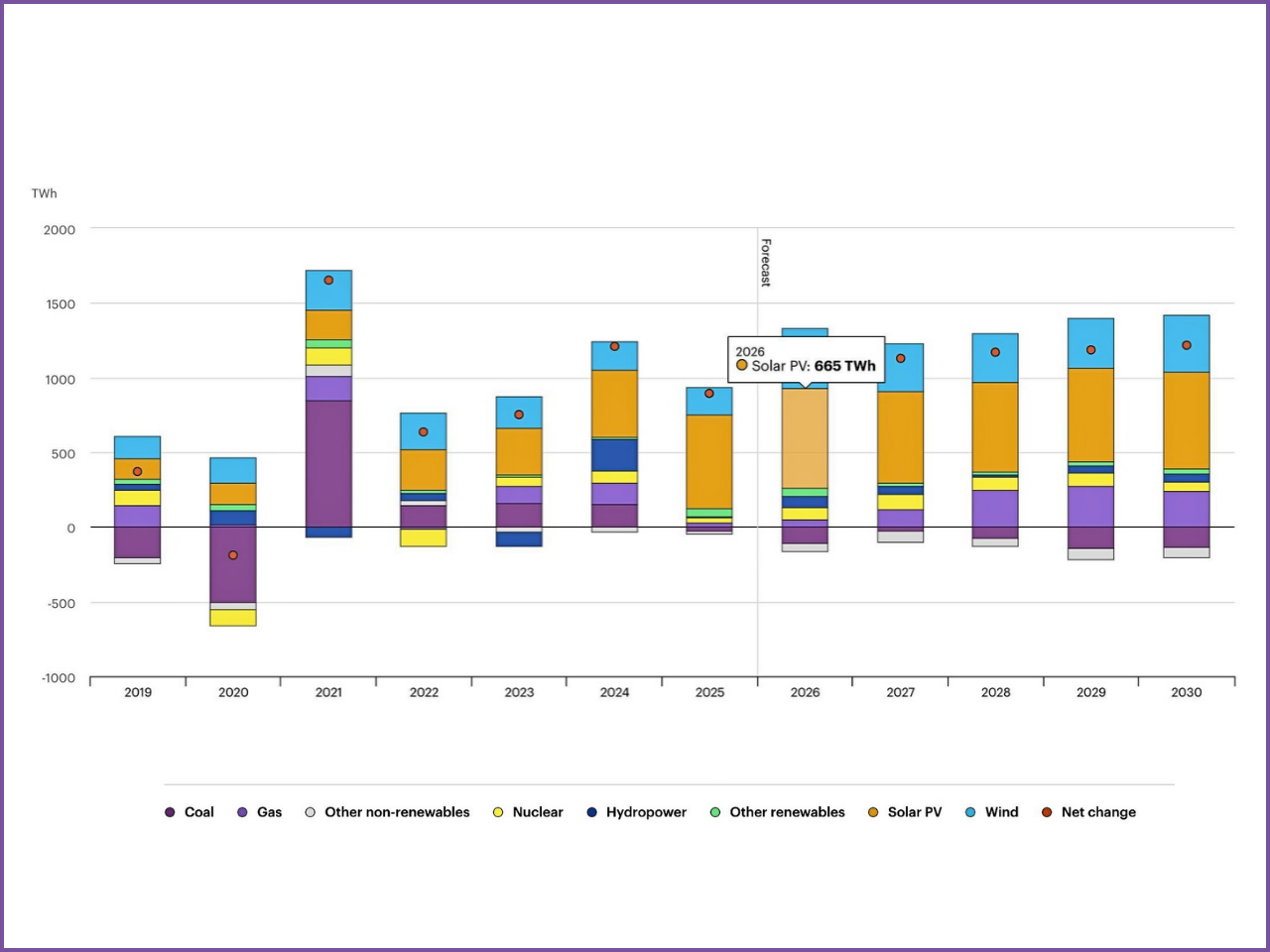
Global electricity consumption
is entering a period of sustained and accelerated expansion, marking
what many describe as the “Age of Electricity.” Between 2026 and 2030,
worldwide electricity demand is projected to grow at an average annual
rate of 3.6%, significantly faster than in the previous decade. This
surge is driven by rising industrial production, rapid adoption of
electric vehicles, expanding use of air conditioning, and the
proliferation of data centers supporting digitalization and artificial
intelligence. After increasing by 4.4% in 2024 and 3% in 2025, annual
demand growth over the next five years is expected to be roughly 50%
higher than the average recorded over the past decade.
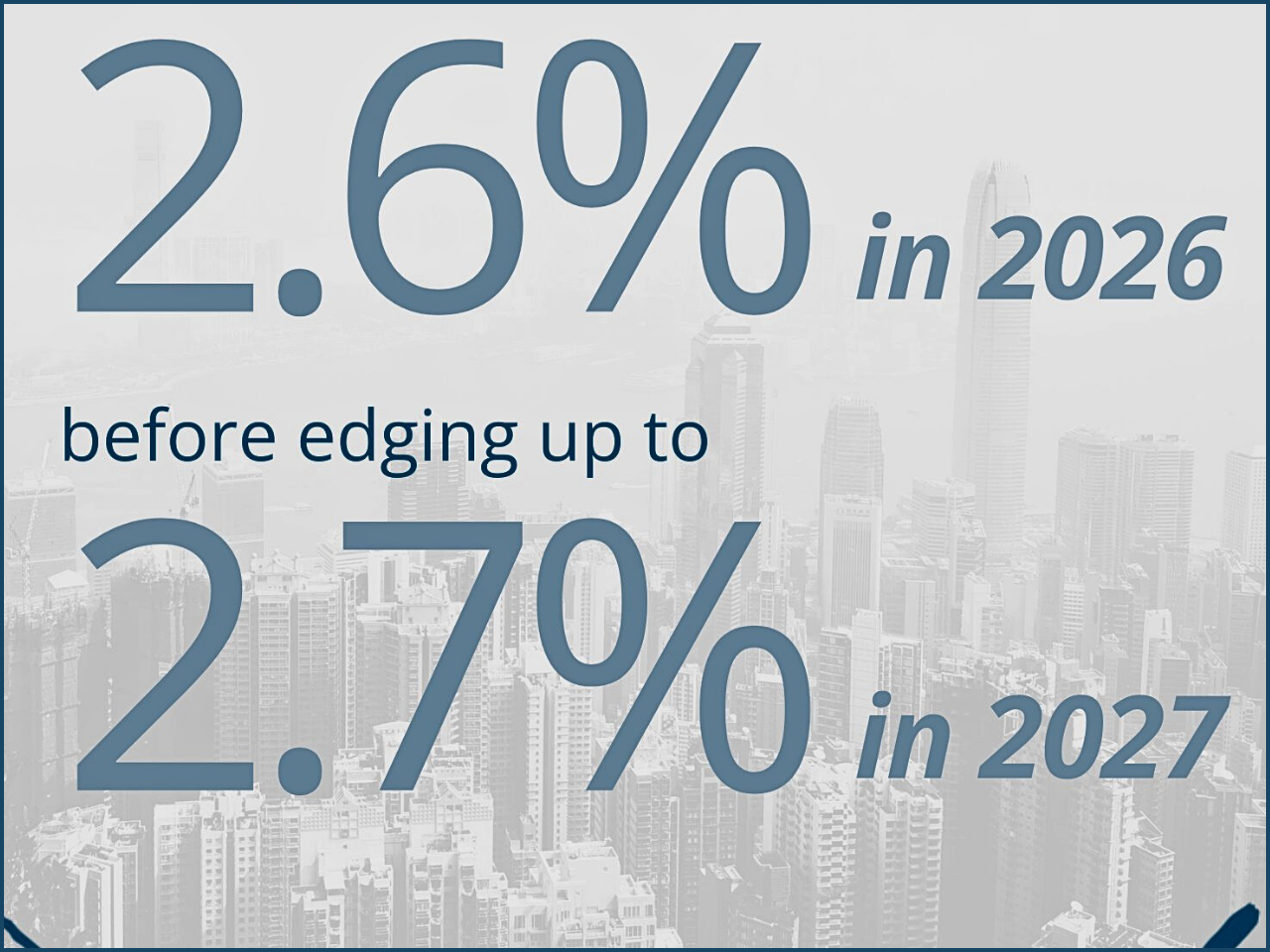
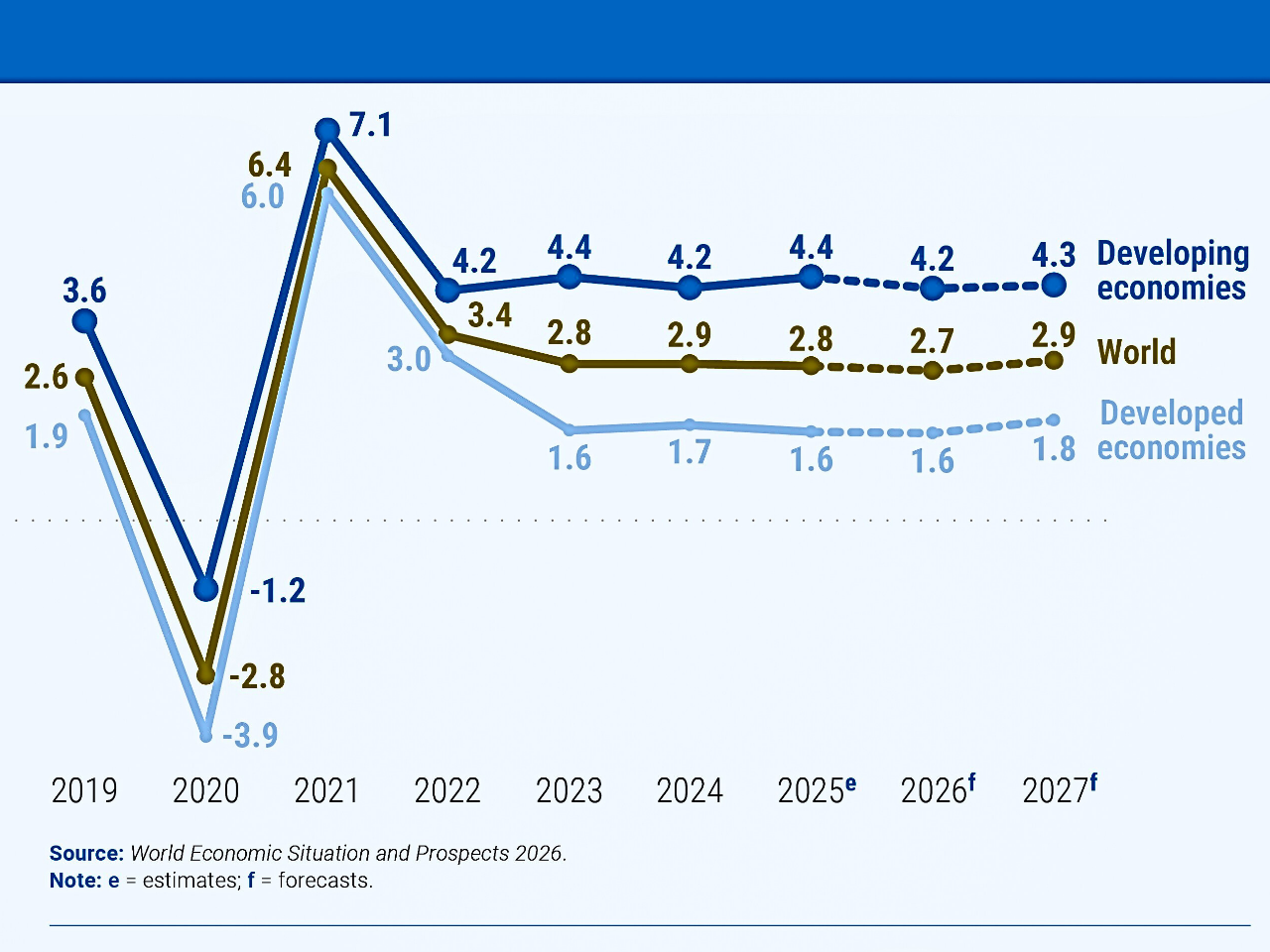
The report Global Economic
Prospects, January 2026, indicated that the global economic growth is
expected to reach a stable level of 2.6 percent in 2026, but it will
increase to 2.7 percent in 2027. Although these numbers indicate a
gradual upward trend in recovery, they also highlight a dispiriting
truth that the benefits of such recovery are not being evenly
distributed between regions and income groups. The report also
highlights that the world economy has been able to escape deep economic
downturns despite the dislocation in global trade and inconsistent
investment climates. The global economy is growing, as the projections
show that 2026 and 2027 will experience growth, although at a lower rate
compared to the trends that were experienced before the pandemic.
World Bank Group forecasts
indicate the agricultural price index is projected to drop about two
percent by 2026. This lower price forecast balances projected supply
increases versus projected demand increases, with the net effect of the
expected overall risks to the global commodity markets on average likely
to be offsetting. Prices for food and agricultural raw materials are
expected to remain stable across most commodities as anticipated
production increases will be comparable to increases in consumption. In
contrast, beverage prices, particularly coffee and cocoa, are expected
to decline approximately seven percent, primarily as a result of
expanded production levels. Although overall price movements appear
under control, the forecast will remain vulnerable to weather
variability, broader macroeconomic conditions and trends, trade-related
policy issues, and input cost changes.
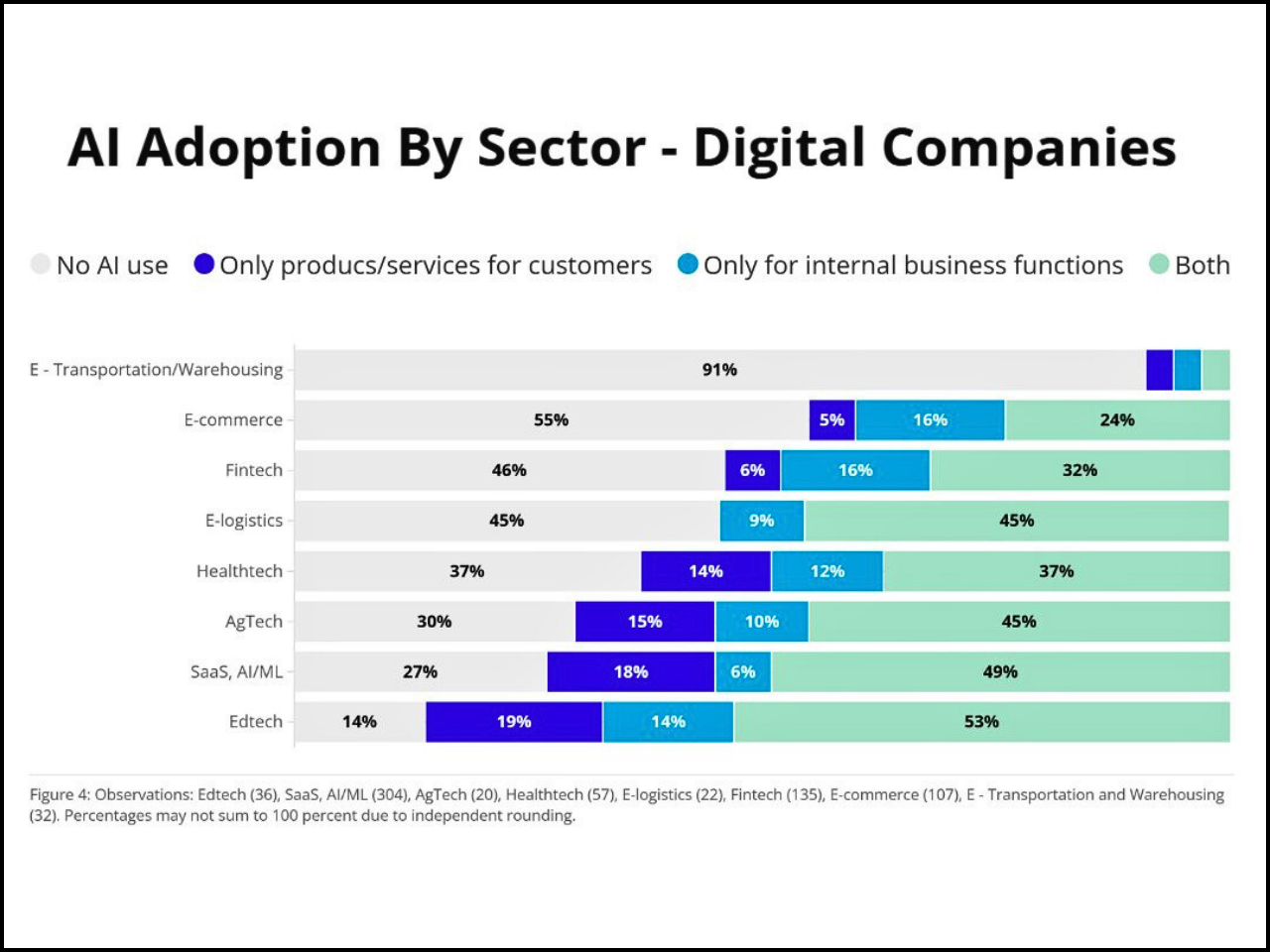
The survey's results offer
readers a first view of AI usage globally for developing economies with
limited uptake (e.g., a few early adopters piloting), while most
businesses have no actual engagement with AI systems. The intensity of
AI usage across firms that implement AI varies immensely. Less than 25%
of the companies polled rely only on AI for outreach and external
operations, and less than 25% utilize it entirely for core functions.
Conversely, approximately 25% use AI internally and externally,
demonstrating a greater degree of integration and utilization of AI
across multiple areas of business. Companies that embed AI into multiple
activities will have a much greater chance of realizing cumulative
productivity improvements and greater business value than those that use
AI in isolation or for very narrow purposes alone.
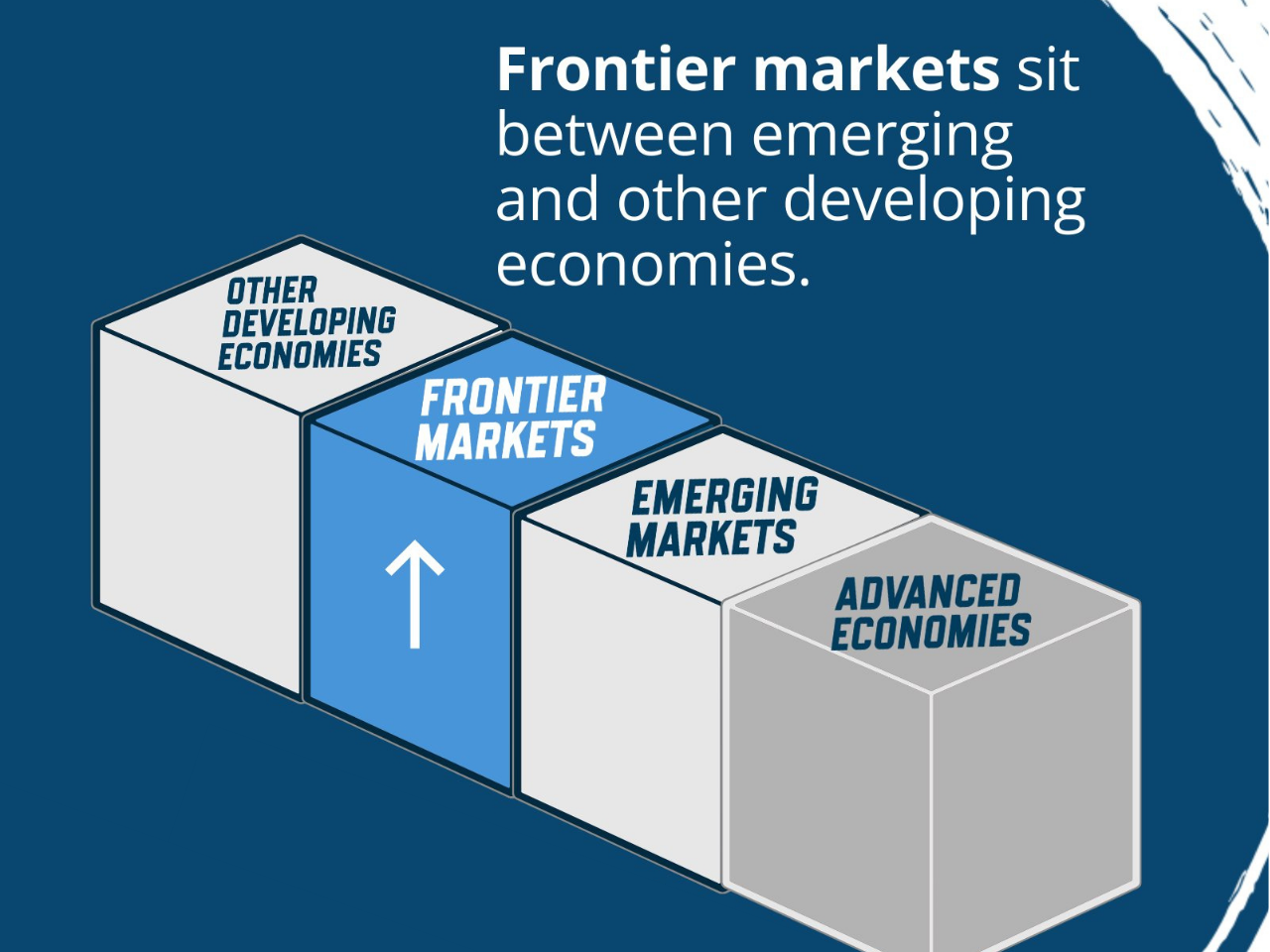
New analysis in the World Bank
Global Economic Prospects (GEP) 2026 report shows that frontier markets
present huge potential and a huge threat to the global economy. With
almost 1.8 billion inhabitants, approximately a fifth of the global
population, the frontier markets at present contribute approximately 5
percent of the global gross domestic product. Although this is a small
percentage, their population impact is still growing fast. The report
points out that frontier markets have a number of structural advantages.
Most of these economies are well endowed with natural resources such as
minerals needed in the global energy transition. They usually have
relatively better institutions, healthier populations, and
better-educated workforces compared to the other developing economies.
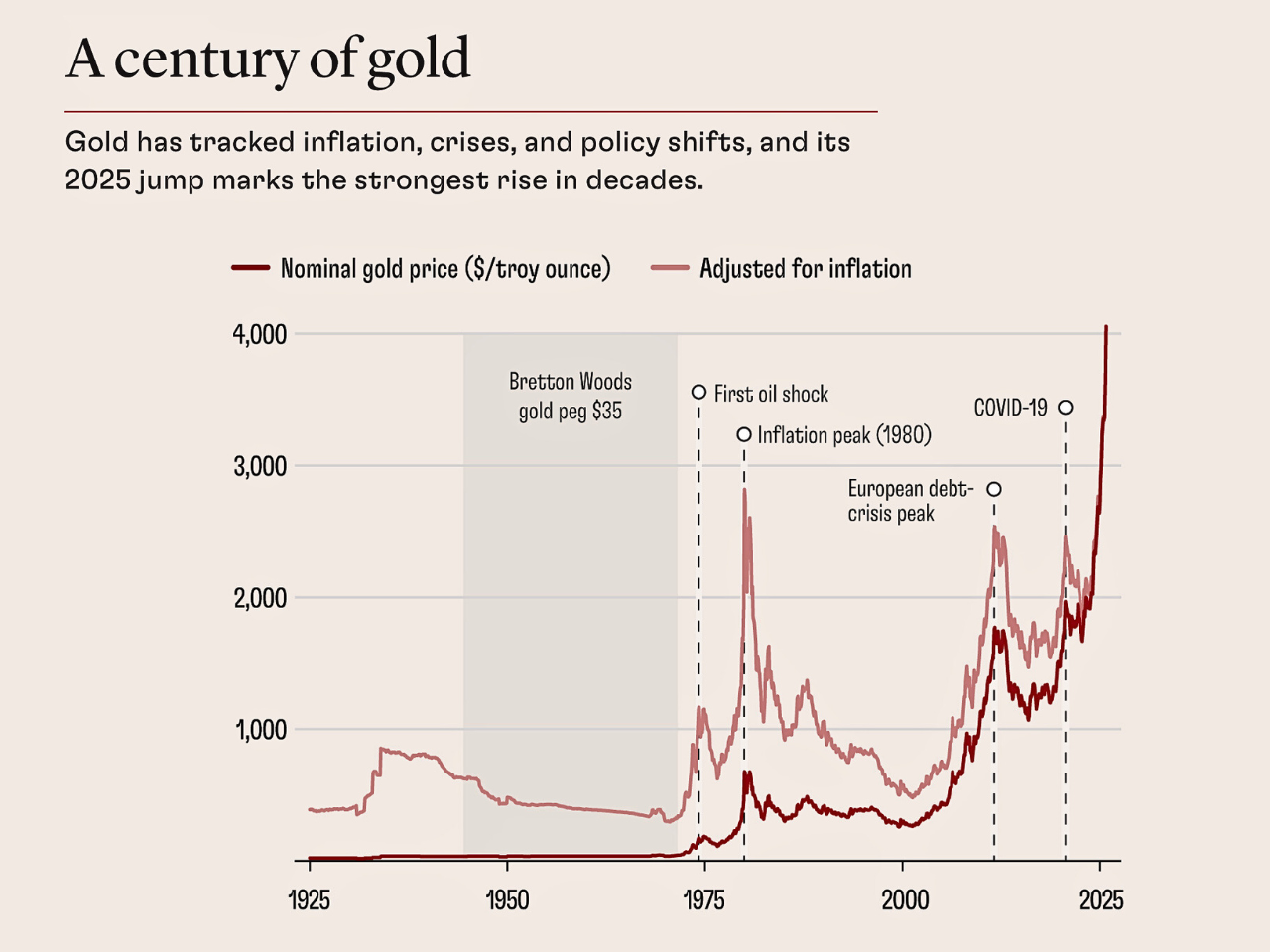
The relevance of the metal in
the times of cryptocurrencies, artificial intelligence, and central bank
digital currencies might seem confusing. But recent events, such as the
phenomenal increase in prices in 2025, prove that the attractiveness of
gold is not a phenomenon of the past, but a factor that is being
conditioned by timeless economic and psychological laws. This
outstanding journey is captured in the chart known as A Century of Gold.
The past century has shown the close relation of gold prices to
inflation, financial crises, and significant changes in policy. The most
notable is the steep increase in 2025, as the highest annual growth in
decades, in support of the persistence of gold as a haven of
uncertainty.
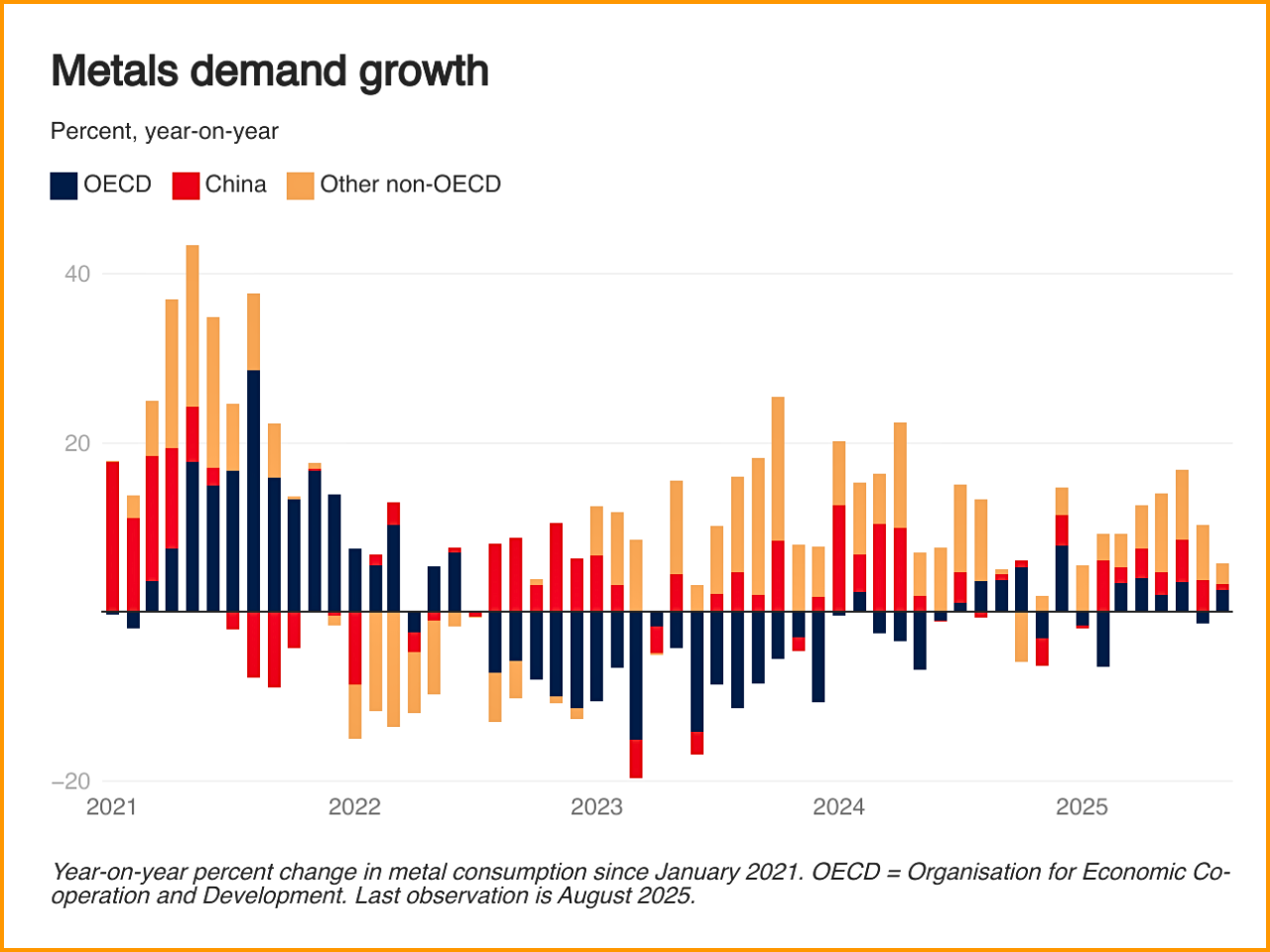
The world metals market is also
experiencing a structural shift that is prompted by the rapid pace
towards clean energy, electrification, and digital infrastructure.
Although the traditional sources of metal are especially construction
and real estate, have been weakened in many major economies, especially
China, newer sources of growth are the emerging ones. This is changing
the structure and resilience of metal demand across the world as
renewable energy systems, electricity grids, electric cars, and data
centers are being invested in. This trend can be best seen through the
fact that the outlook on copper and aluminum, two metals that are the
core of electrification and decarbonization, is strengthening.
A critical factor during these
trends is the slowdown in the structural transformation of economies
around the globe. The transfer of workers from low-productivity sectors
to higher-productivity and formal employment opportunities has weakened
over the last twenty years, leading to a lack of growth in productivity
and wage employment opportunities for workers, particularly in
developing countries. Worker populations in developed countries continue
to decrease due to a combination of a lack of available jobs for these
workers (as workers age) and a lower rate of job creation within
developed countries than in prior (younger) generations of employees.
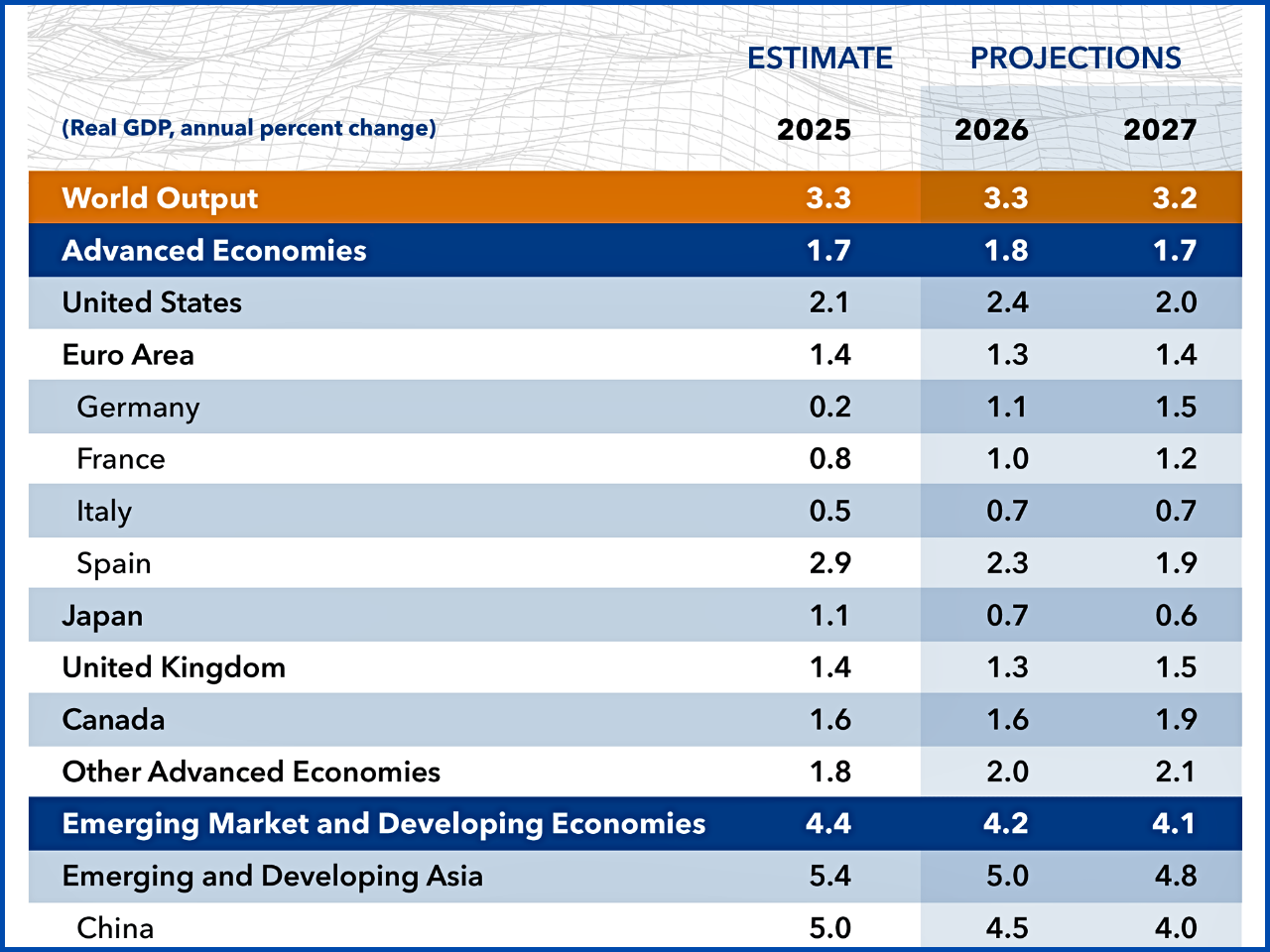
The World Economic Outlook (WEO)
Update, January 2026, produced by the International Monetary Fund,
offers a very careful projection of the economy. Global growth has been
quite resilient despite increased geopolitical uncertainty, changing
trade policies, and structural issues in the key economies. Such
stability is supported, however, by a small range of drivers, especially
the investment related to technology, such that the picture is
susceptible to shocks. International Expansion Prospective: Stability
with Bolstered Weakness. The IMF predicts that world economic growth
will continue to be stable at 3.3 and 3.2 percent in 2026 and 2027,
respectively, which is in close relation to the expected global economic
growth in 2025.
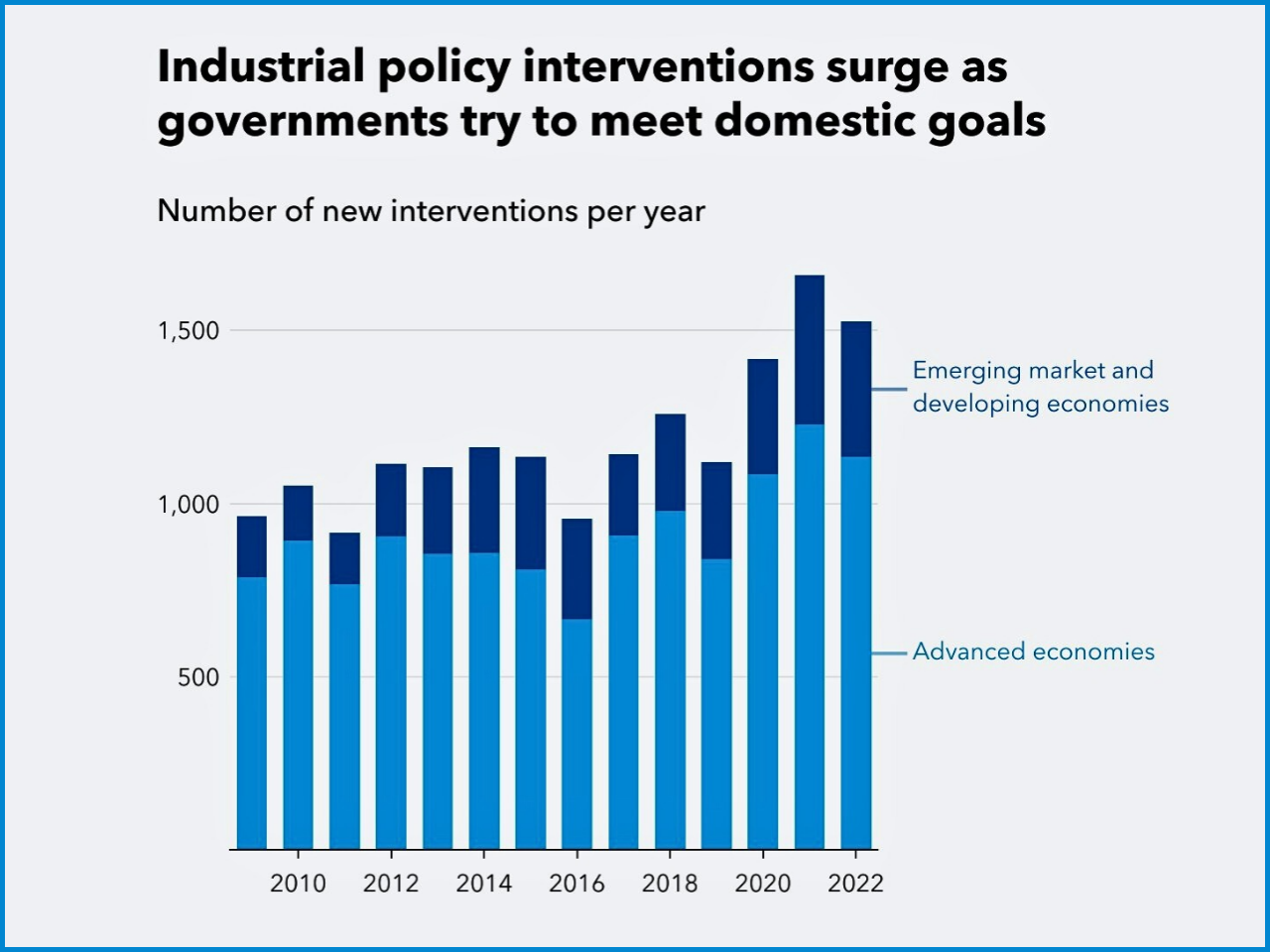
Governments are also becoming
increasingly involved in helping certain companies and industries to
achieve domestic goals like productivity increase, supply chain
sustainability, strategic independence, and job security. According to
the statistics of the Global Trade Alert (GTA), summarized in the World
Economic Outlook (WEO) of the International Monetary Fund (IMF), there
is an increase in new interventions in industrial policies, which starts
to grow significantly after 2018 and has reached its apogee around the
pandemic. There has been a significant increase in the number of
measures of industrial policies in the world.
In absolute terms, the amount of
foreign direct investment into EMDEs declined by $435 billion to
approximately $435 billion in 2023. In relative terms, the share of
foreign direct investment of EMDE of total gross domestic product
declined by approximately 2%. This decreasing trend appears to be
affecting the majority (approximately 60%) of EMDEs, including the four
largest EMDE regions (Central and Eastern Europe, Africa, and the Middle
East), and is expected to continue to decline.
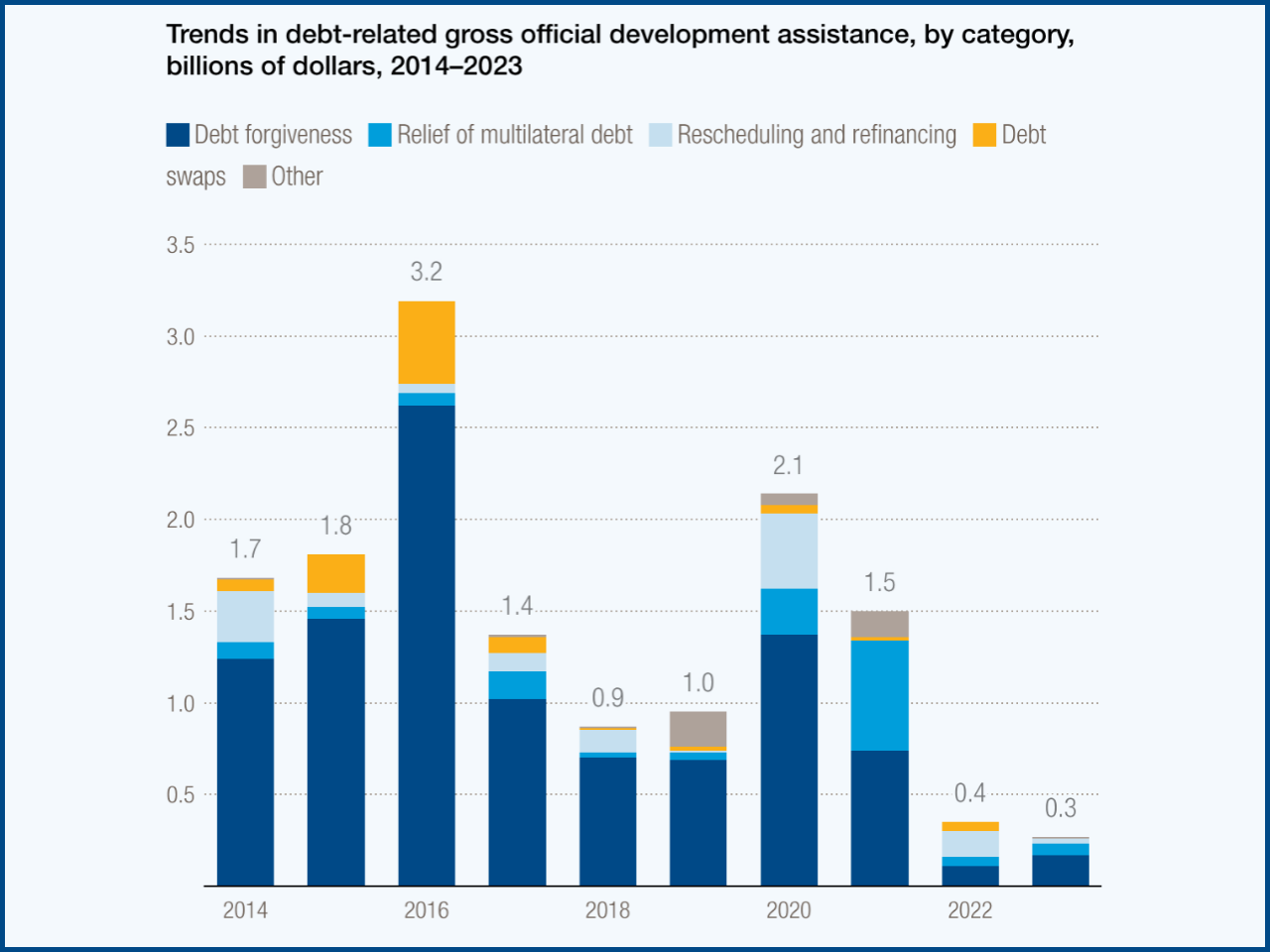
The developing countries went
into 2025 with a heavy burden on their economies occasioned by a
conglomeration of global and local challenges. Significant changes in
the international policy, increasing geopolitical tensions, a tightening
of international financial resources, and a severe decrease in the
official development assistance (ODA) have all played to the
disadvantage of export performance, reduced fiscal space, and lowered
growth opportunities.In 2024, the level of total external debt in the
developing countries grew by 2.6 percent and reached USD 11.7 trillion.
The U.S. Congress to enact
proposed plans for healthcare reform, which include lowering costs for
medications and health insurance premium rates, establishing greater
accountability by large insurance companies, and creating a more
transparent pricing system for healthcare services. The Whole Milk for
Healthy Kids Act of 2025, signed into law by President Trump, is a huge
shift in federal school nutrition policy and is part of healthcare
reform.
The World Bank forecasts that
global economic growth will decrease to 2.7% in 2026, which is lower
than the growth rates seen before the COVID-19 pandemic. Rising consumer
prices force consumers to tighten their belts and impose on themselves.
The Royal Swedish Academy of
Sciences honoured the Nobel prize in economic sciences for the Nobel
laureate Joel Mokyr, Philippe Aghion, and Peter Howitt. The award
acknowledges their compelling works in elucidating the way innovation
becomes the genesis of sustained economic growth.
Debt transparency is essential
for the assurance and monitoring of debt sustainability. In recent
years, some borrowing countries have obtained full access to markets
with credible creditworthiness, only to later reveal hidden debts,
leading to deep economic crises. Judgments about debt sustainability can
only be made with timely and comprehensive reporting of debts and
transactions.
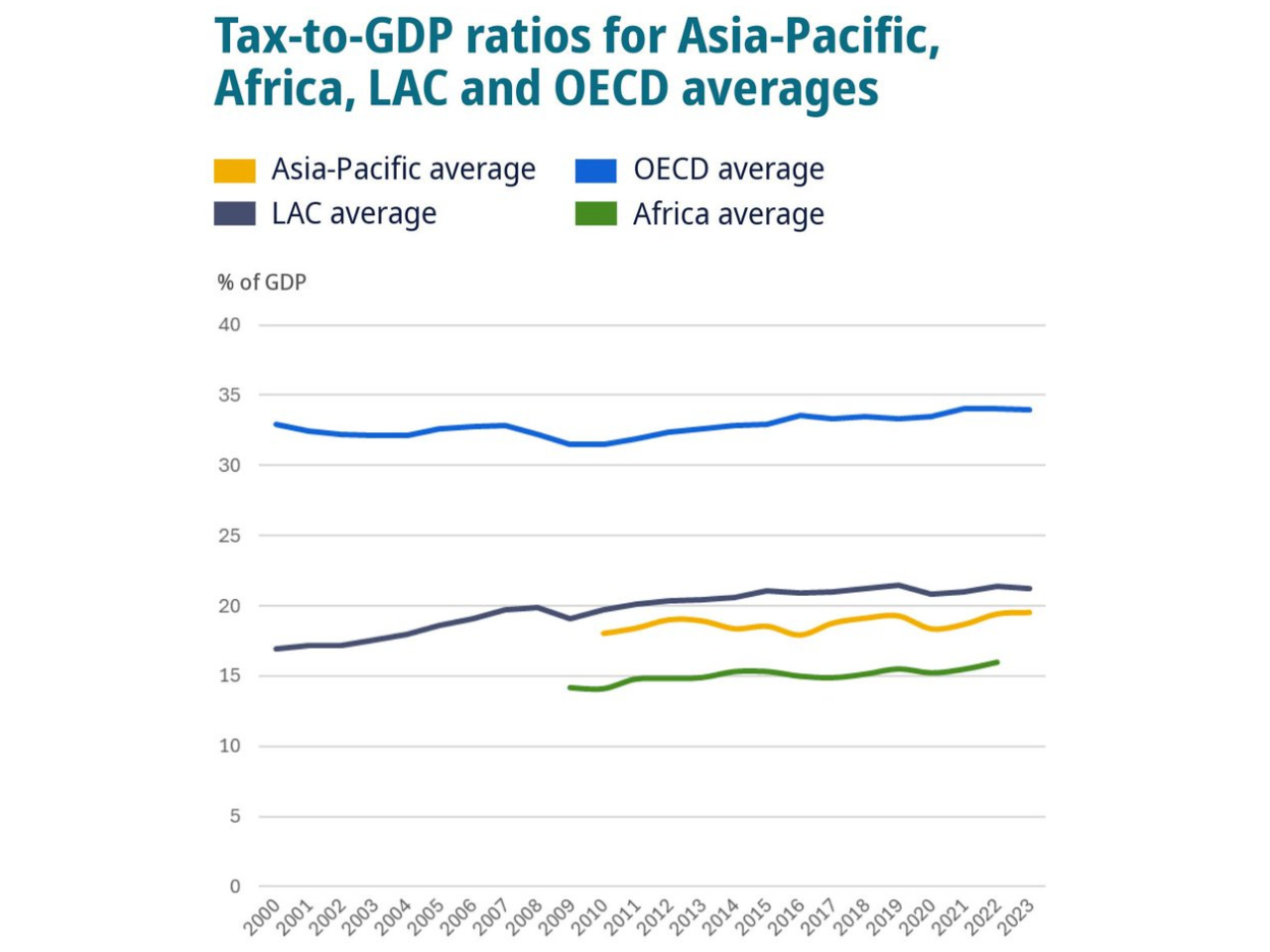
Over the long term, or between
2010 and 2023, tax-to-GDP ratios increased in 22 economies and reduced
in 15 others. The Maldives, Niue, Nauru, Japan, Cambodia, and Korea saw
some of the largest improvements. Some of the increases can be
attributed to tax reforms and recoveries from economic crises in Japan
and Korea.
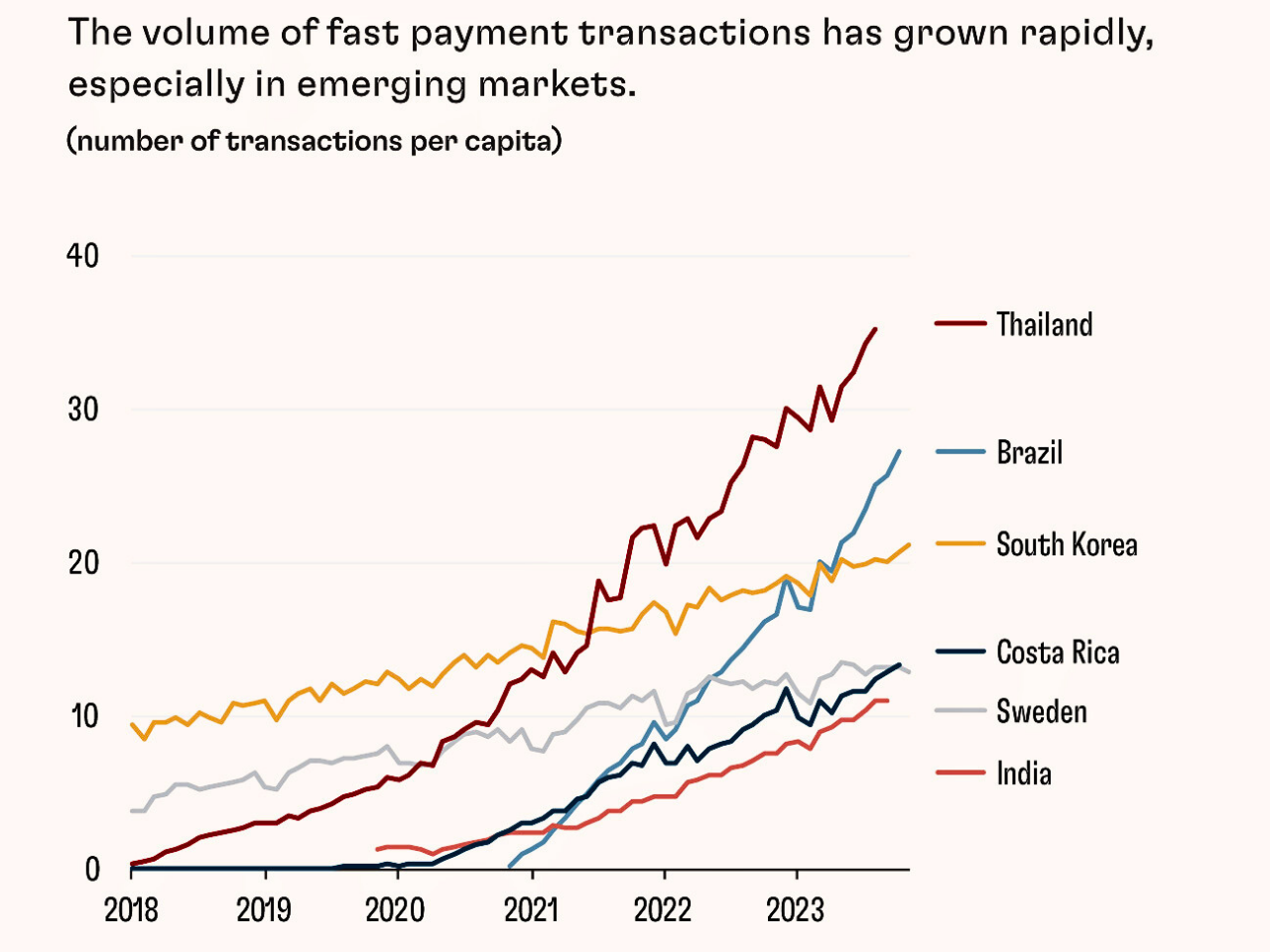
Brazil's Pix was launched in
2020 by the central bank and has just recently reached over 90 percent
of the adult population using it regularly for their everyday purchases.
India's Unified Payments Interface (UPI) is a single platform connecting
banks, fintechs, and tech firms with the oversight of the central bank.
which has generated $600 million
in additional investment and $700 million in additional sales. This has
been done with Government of Canada funding through the Facility for
Resilient Food Systems (FRFS), which supports food safety as well as
food loss, waste reduction, and food supply chain efficiencies.
Over the last sixty years, the
world has encountered dramatic demographic change. Since 1960, the
percentage of people living in rural areas has steadily declined due to
the expansion of cities and the overall advance and speed of
urbanization globally. In 2008, the majority of the world lived in rural
areas while they maintained their lives, but without warning, worldwide
populated urban areas dramatically increased their majority share.
The Philippines is in demand for
a demographic change that will reopen the priorities of its economy,
society, and public policy. The number of old Filipinos is expected to
double by the year 2050, which creates pressure on the nation’s health
care systems, elderly care services, and pension schemes.
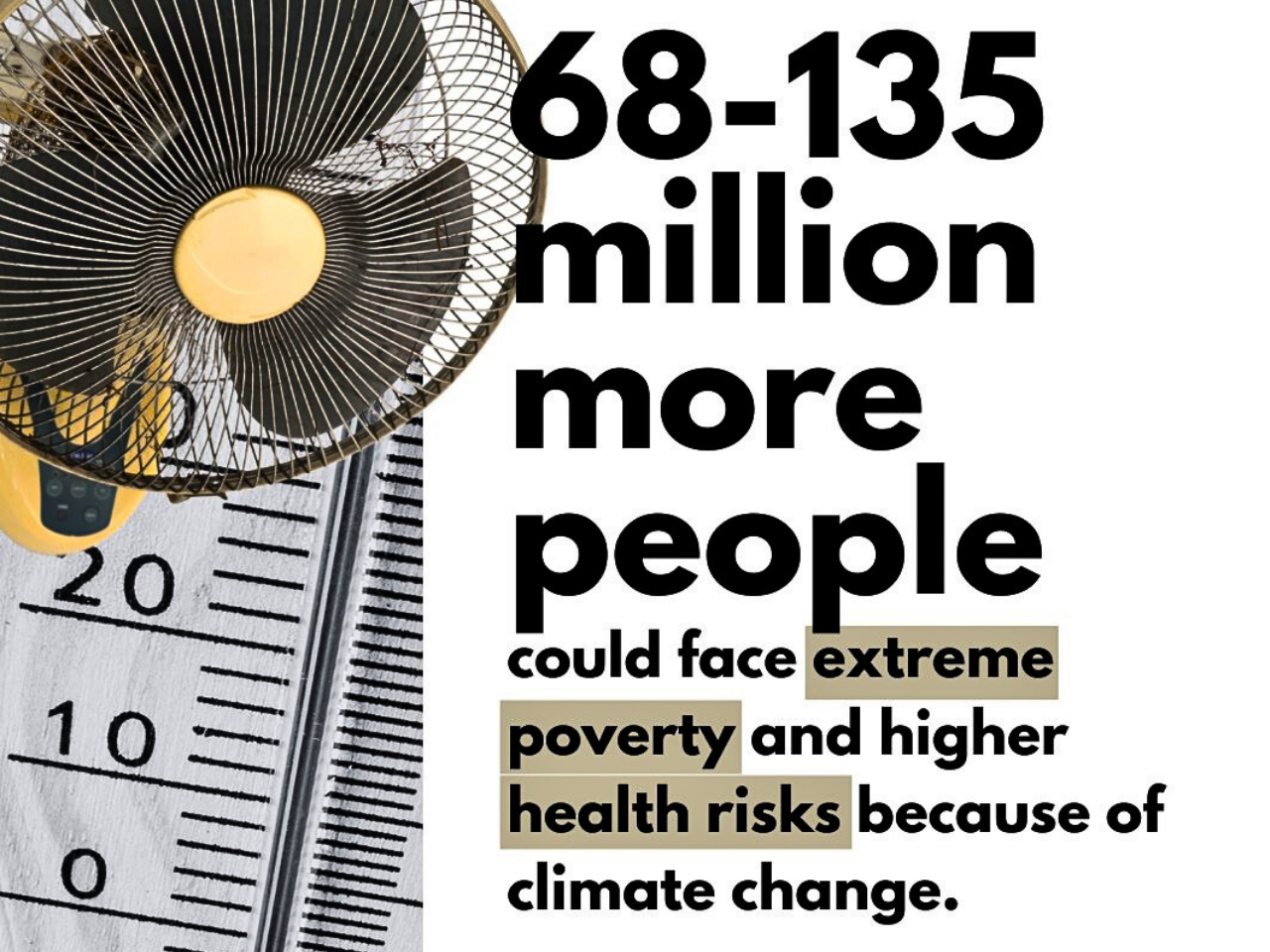
Climate issues such as heat
stress, diarrhea, malaria, and hunger can cause 250,000 deaths a year
between 2030 and 2050, which challenges an important frame of
adaptation. The fee, including only health systems and other areas such
as agriculture and hygiene, is expected to reach USD $2 to 4 billion
annually by 2030. The countries most at risk will be those that are
developing countries, as they will have further weakened health systems.
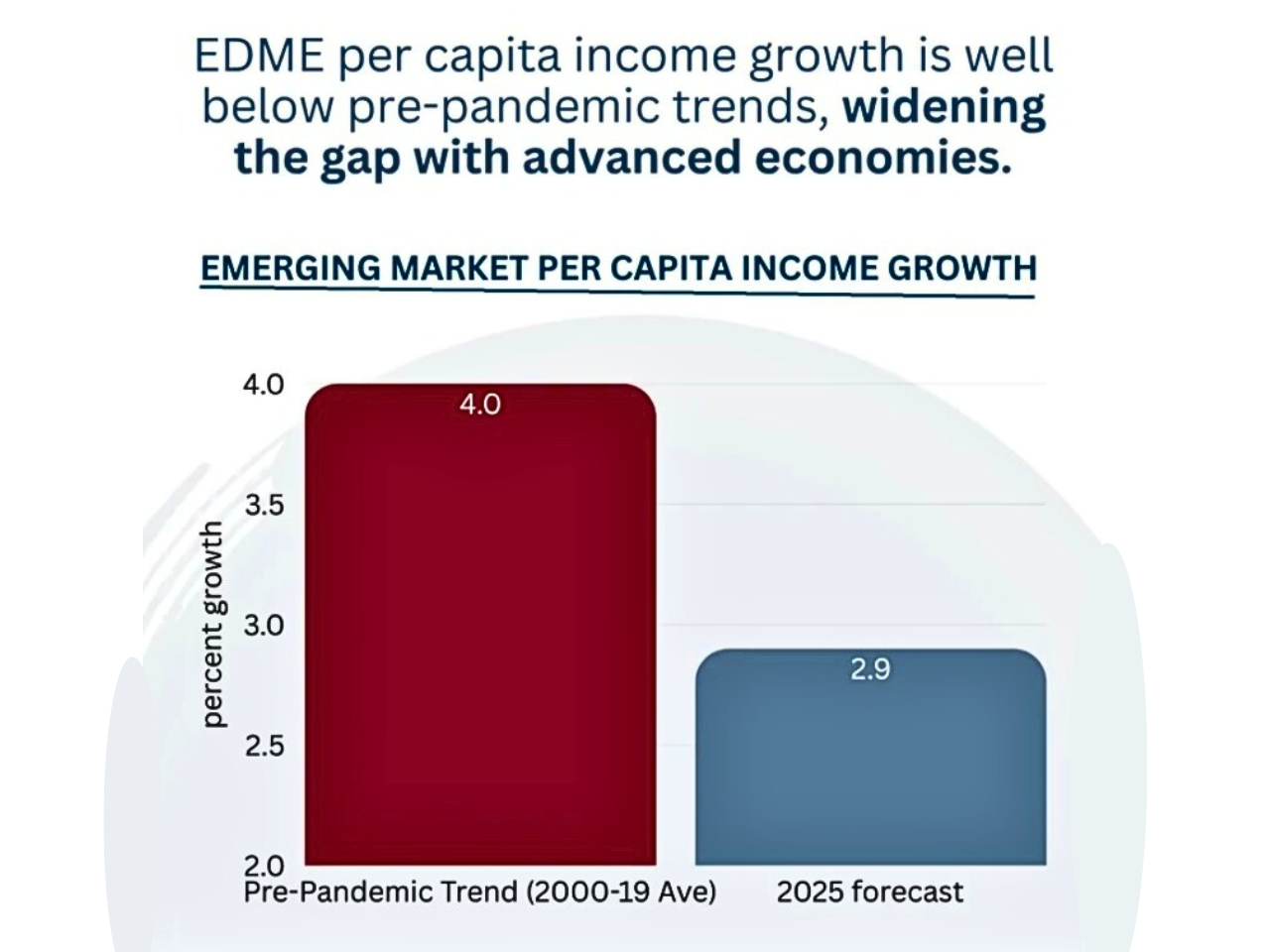
Investments in emerging markets
and developing economies (EMDEs) expanded at an annual rate of 7% from
2000 to 2010; however, the annual rate has declined to less than 4% in
the current decade. This weakness is a direct attack on productivity
growth and development outcomes. Without stronger investments in
infrastructure, clean energy technologies, education, and technology,
many economies will increasingly fall behind in their progress of
poverty mitigation and income convergence with the developed world.
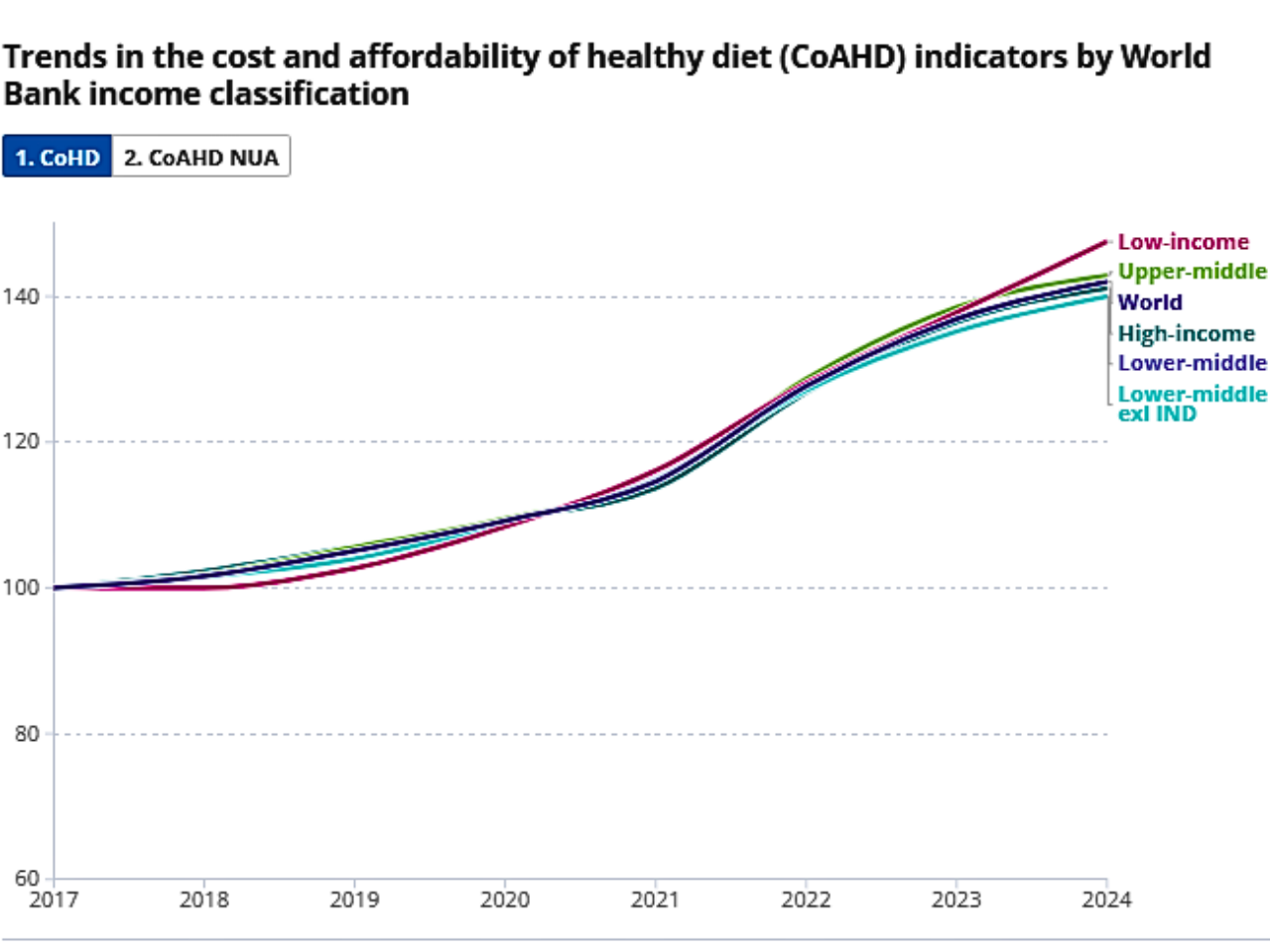
The (SOFI) report of 2025 says
that low-income nations, especially those in Sub-Saharan Africa, need to
become a global movement towards more affordable, healthy diets. Based
on the report, even if the global average price of a healthy meal
increases to $4.46 per individual per day in 2024, only 48.8 million
fewer individuals would still not be in a position to afford it, leaving
close to 2.6 billion individuals in poverty.
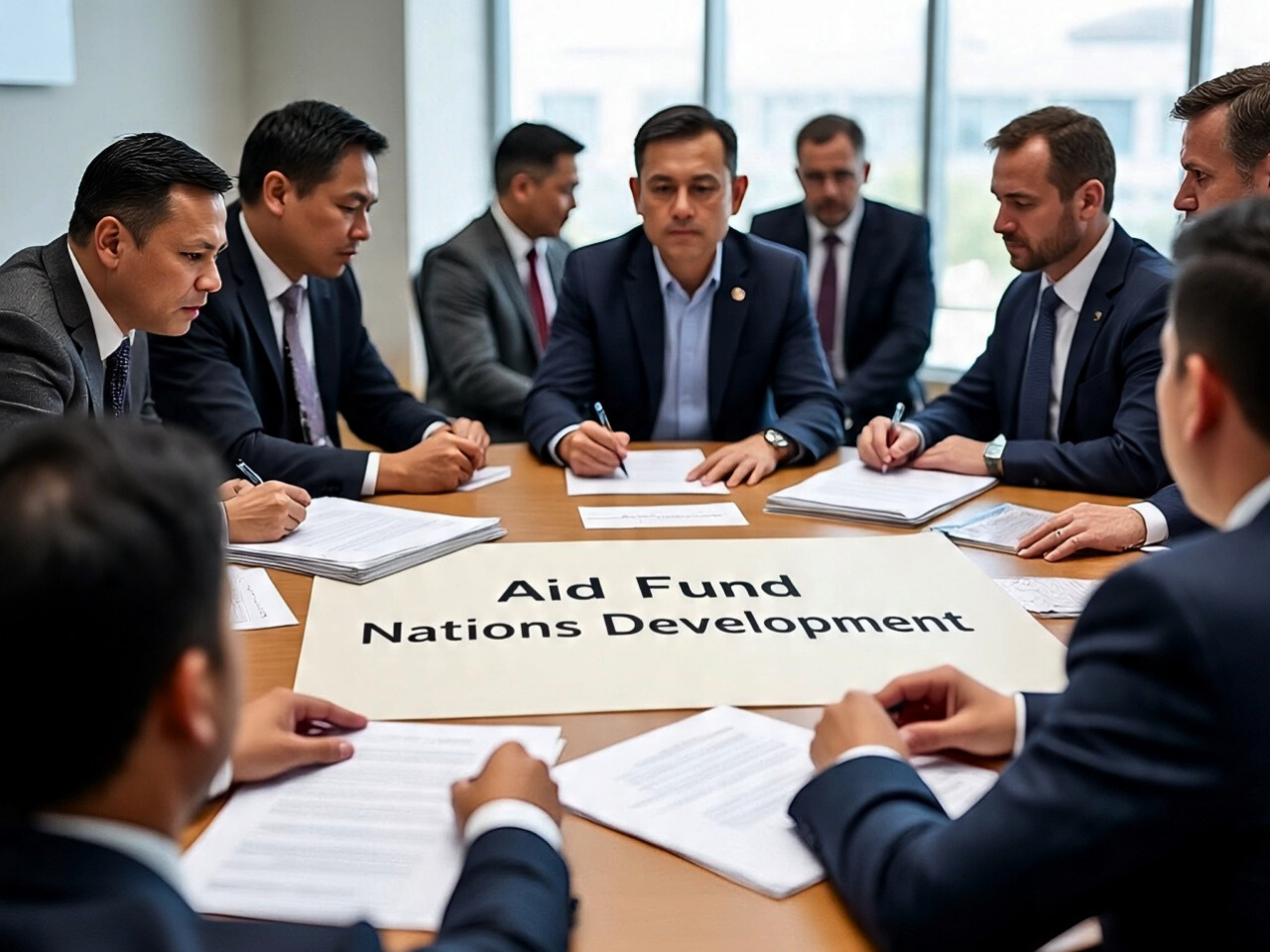
The International Development
Association (IDA), sees more than 90% of its financing go through
national budgets and gets each donor dollar to translate into $3 to $4
in tangible results, representing the importance of scale and
management.
Youth unemployment remains high
across many pats of Asia and the Pacific unemployment rates, 2025. Young
people are willing and able to work but do not get jobs; they face many
struggles and obstacles in the world.
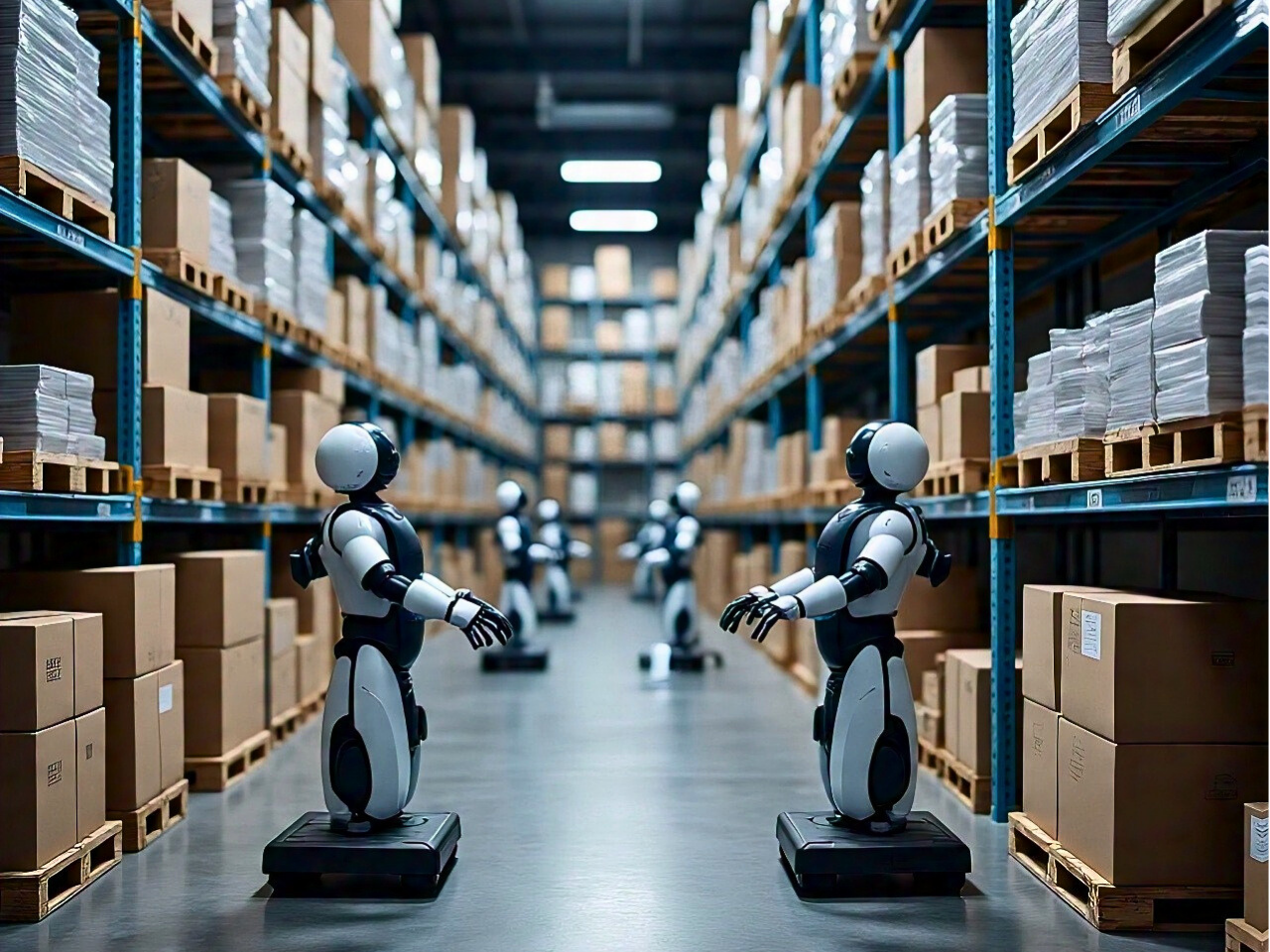
The world’s factory automation
powerhouse in 2023, with a dominant 72% of all newly executed industrial
robots worldwide. The market is rising due to the growing need for
automation in a variety of industries, as well as the margins caused by
increasing labor costs and shortages.
A World of Debt indicated that,
by 2024, global public debt was $102 trillion, and developing nations
had $31 trillion, nearly one-third of that total, taking on the highest
yearly interest of $921 billion ever. The debt growth is stressing
budgets, limiting essential public services; progress towards a
sustainable future is under threats.
Nutrition investment is one of
the most cost-effective development initiatives and comes with
significant financial incentives. Obesity and undernutrition are major
contributors to the Human Capital Index, which measures human capital.
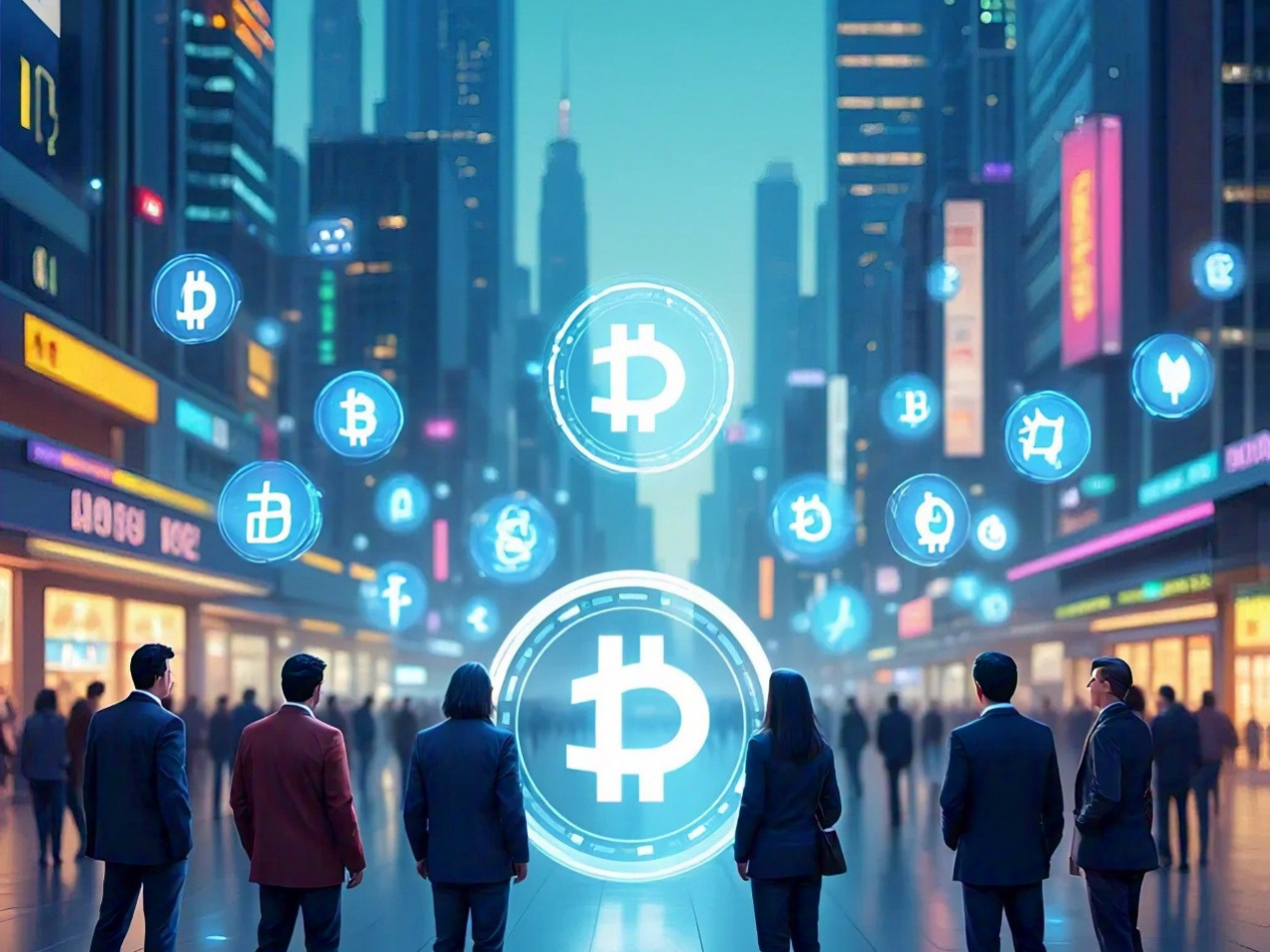
Crypto is just one factor among
many for digital transformations across various industries and products.
In order to better mirror the digital economy, the System Of National
Accounts(SNA) advises countries to create a set of indicators that
encompass fields like AI, cloud computing, digital intermediation
platforms, and e-commerce.
The World Bank’s Pink Sheet
report, energy prices skyrocketed in June; non-energy commodities showed
mixed results; and the energy price index increased by 9.7% in June,
propelled by an 11.3% rise in crude oil. The price index excluding
energy prices decreased by 1.1%. In June, the agricultural price index
experienced a decline of 2.8% Food prices decreased by 1.4%, beverages
saw an 8.2% drop, and raw materials stayed relatively stable.
The demographic shift towards
aging populations is occurring in certain areas, such as Europe, North
America, and Central Asia. In these regions, 18% of individuals belong
to the 65 and older age group, while 17% are part of the 0 to14 age
group. Youngest demographic in Sub-Saharan Africa, where the age group
of 0-14 is 40% and the 65 and above age group is just 3%.
In a global population of 700
million people, which is mentioned as 8.5% are facing severe poverty. In
a day, less than $2.15 survived their lives. Towards low growth,
COVID-19 setbacks, and increased instability, impasse progress.
Approximately 3.5 billion individuals (44% of the world’s population)
are classified as poor according to a standard more applicable to upper
middle-income countries ($6.85 daily).
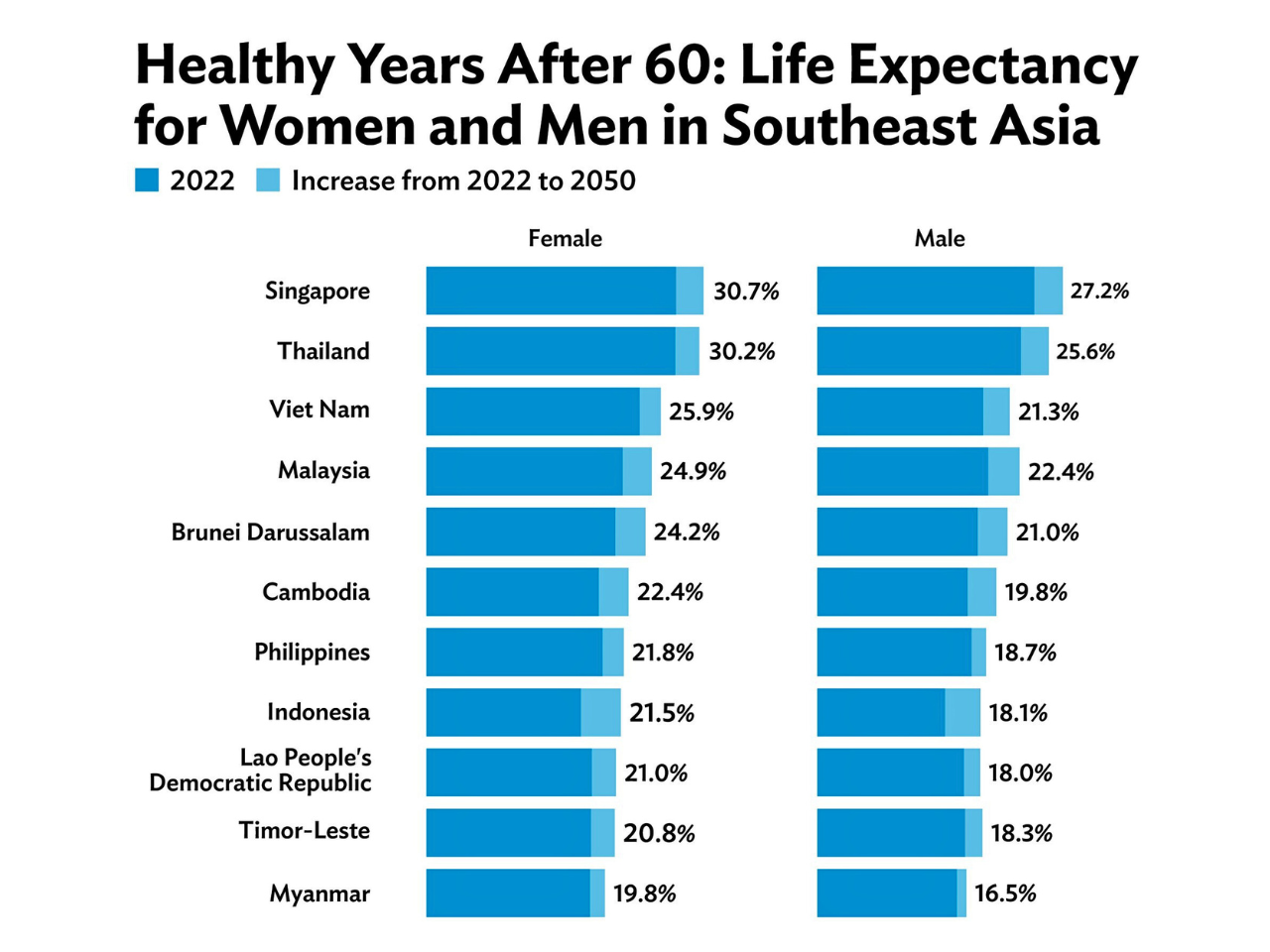
A person with good physical,
mental, and social health in their life is said to have a healthy
lifespan. As the age of global populations rises, there will be a chance
to drive a trend towards healthy, social, and economic progress by
making investments in human well-being across all stages of life.
“Empowering women is not just a
moral imperative; it’s an economic no-brainer. Gender-responsive fiscal
policies are a powerful tool for inclusive growth.”- Christine Lagarde,
former IMF Managing Director. A significant transformation of the
twentieth century was the increased involvement of women in economic and
political spheres.
“Trade is not about goods. Trade
is about information. Goods sit in the warehouse until information moves
them.” — C. J. Cherryh, American writer. General merchandise trade
involves the transfer of ownership of tangible goods between entities
located in different countries.
Housing affordability refers to
the extent to which individuals or families can obtain adequate shelter
without having to forgo other fundamental necessities such as food,
healthcare, and education.
“In an era of a global economy,
we can’t survive without foreign investment. Our perspective on foreign
investment needs to shift. We should welcome it.” - Andrew Zimbalist.
Foreign Direct Investment (FDI) is a long-term investment made by a
company or individual from one country to another business in interested
countries.
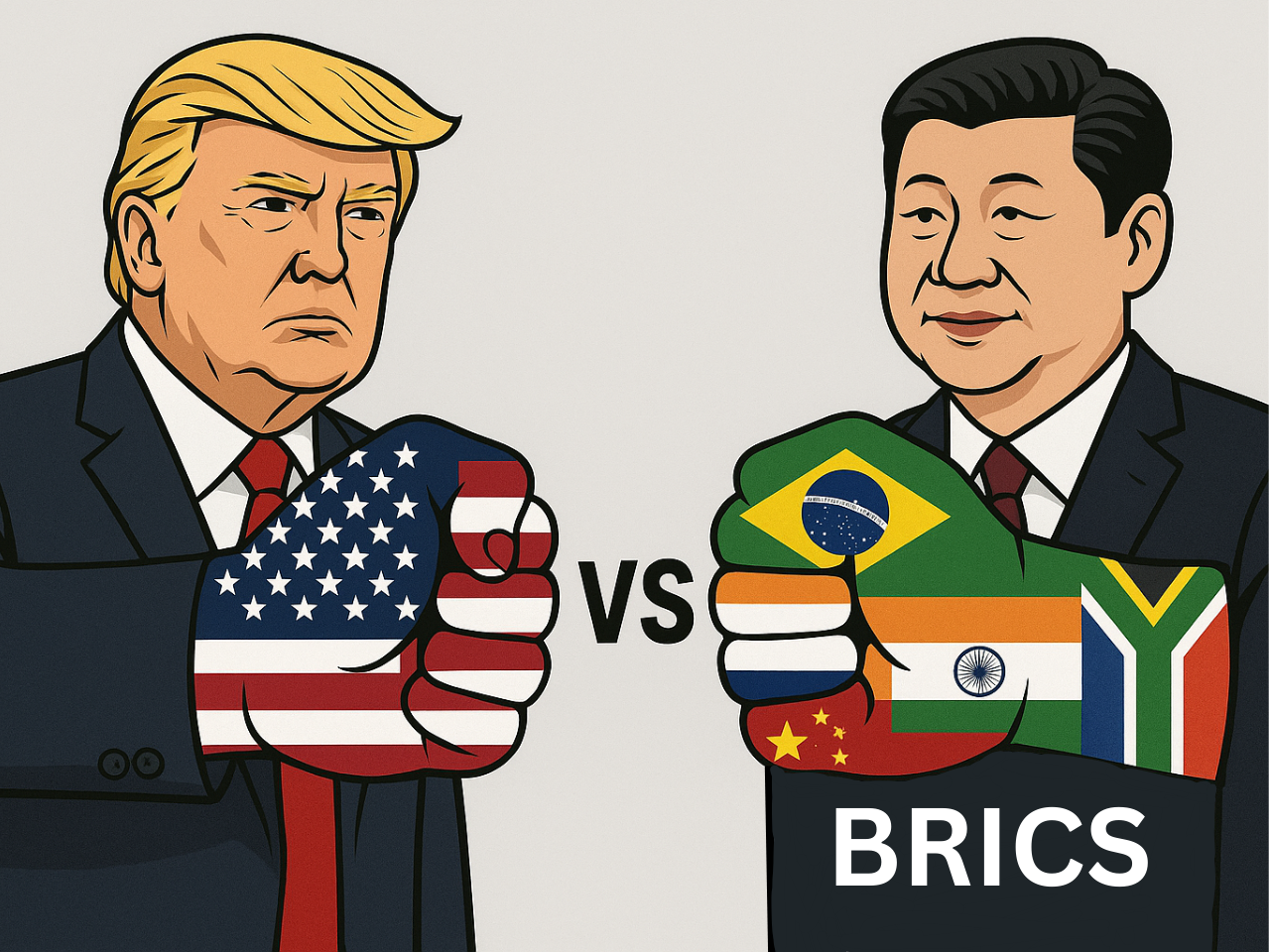
BRICS formed in 2001 with their
own members Brazil, Russia, India, China, and South Africa. These
nations are making that very influential union in the world, and that
union of nations is a very strong and different category; it makes a
difference with other unions in the world.
In 2024, international tourists
started visiting Asian countries again, but compared to tourist visits
before the pandemic, it indicates it will reach only 88%. It’s still 12
percentage points lower than before the pandemic for tourists visiting
Asian countries in 2024.