World News

Kids Online 4.5 Hours on School Days, 14% Hit 10+ Hours: 34% Feel Anxious, 1 in 4 See Harmful Content

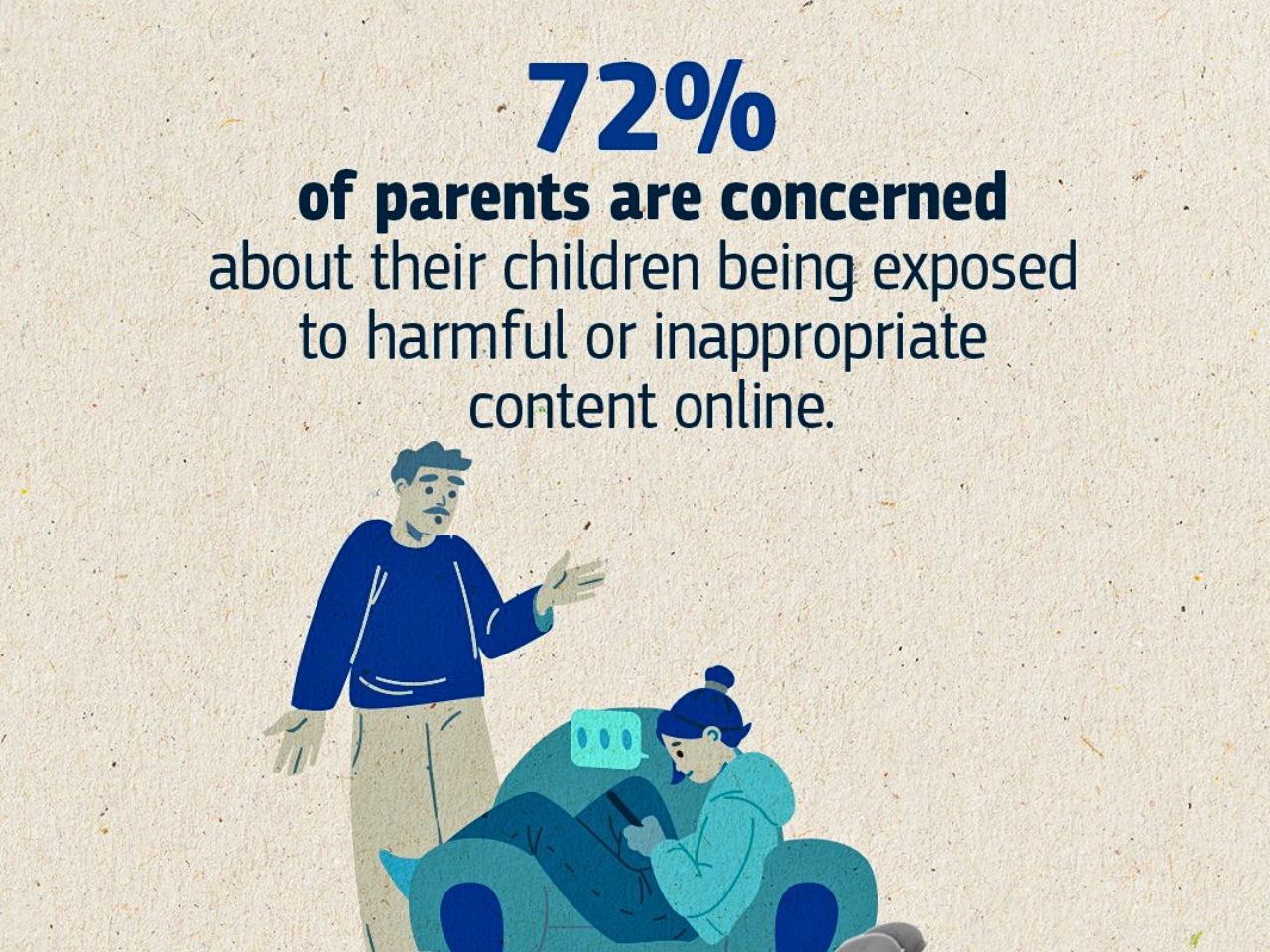
The Image represent Youth internet use increases and socila medi impact
Image source: European Commission

The European Commission (EC) has called attention to some troubling patterns in the Internet use of youth, noting that they are using the Internet for an average of 4.5 hours a day during a school day and more than 6 hours a day on a weekend. One of the alarming portions, which is about 14% of young people, is over 10 hours of screen time per day.

Psychosocial Impact
Social media has a real negative impact on the well-being of young people. Around 34% of young people feel anxious, unhappy, or socially excluded due to platforms. Also, one in four children have come across harmful or inappropriate content on the internet, which poses significant concerns on the accountability of the platforms and digital safeguarding measures.

Parental Anxiety on the Rise
Parents are not insensitive to these dangers. A Flash Eurobarometer survey from May 2026 found that almost three quarters of parents are “truly worried” that their children are exposed to “dangerous and inappropriate” content in digital environments.

The big view
These figures clearly indicate that the need for a more robust approach to digital literacy education, tight regulations on platforms, and open dialogue within the family around social issues of responsible use is becoming increasingly urgent and must be taken up jointly by governments and society at large.

Latest News
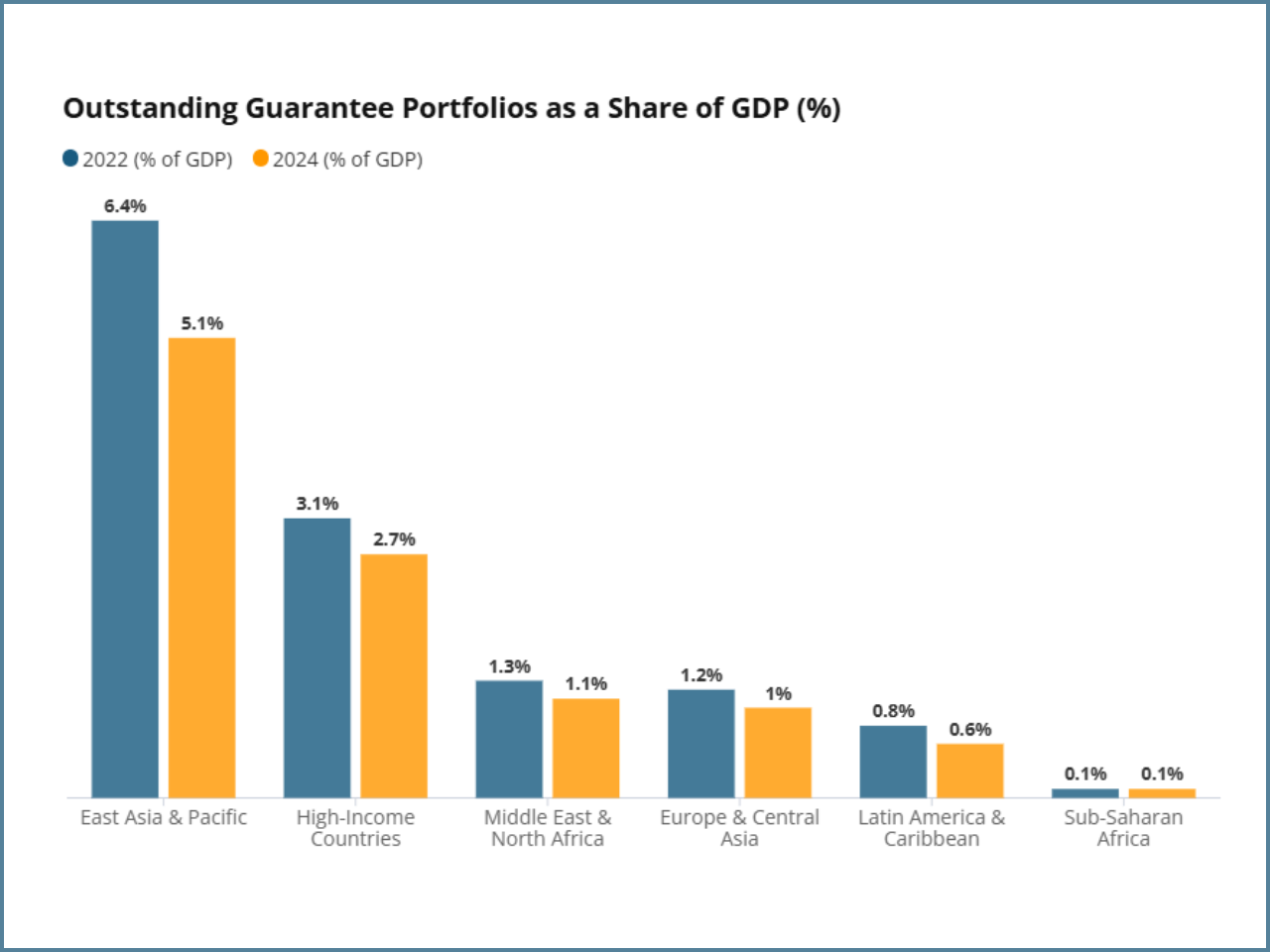
The graph represent New finance model to tackle poverty

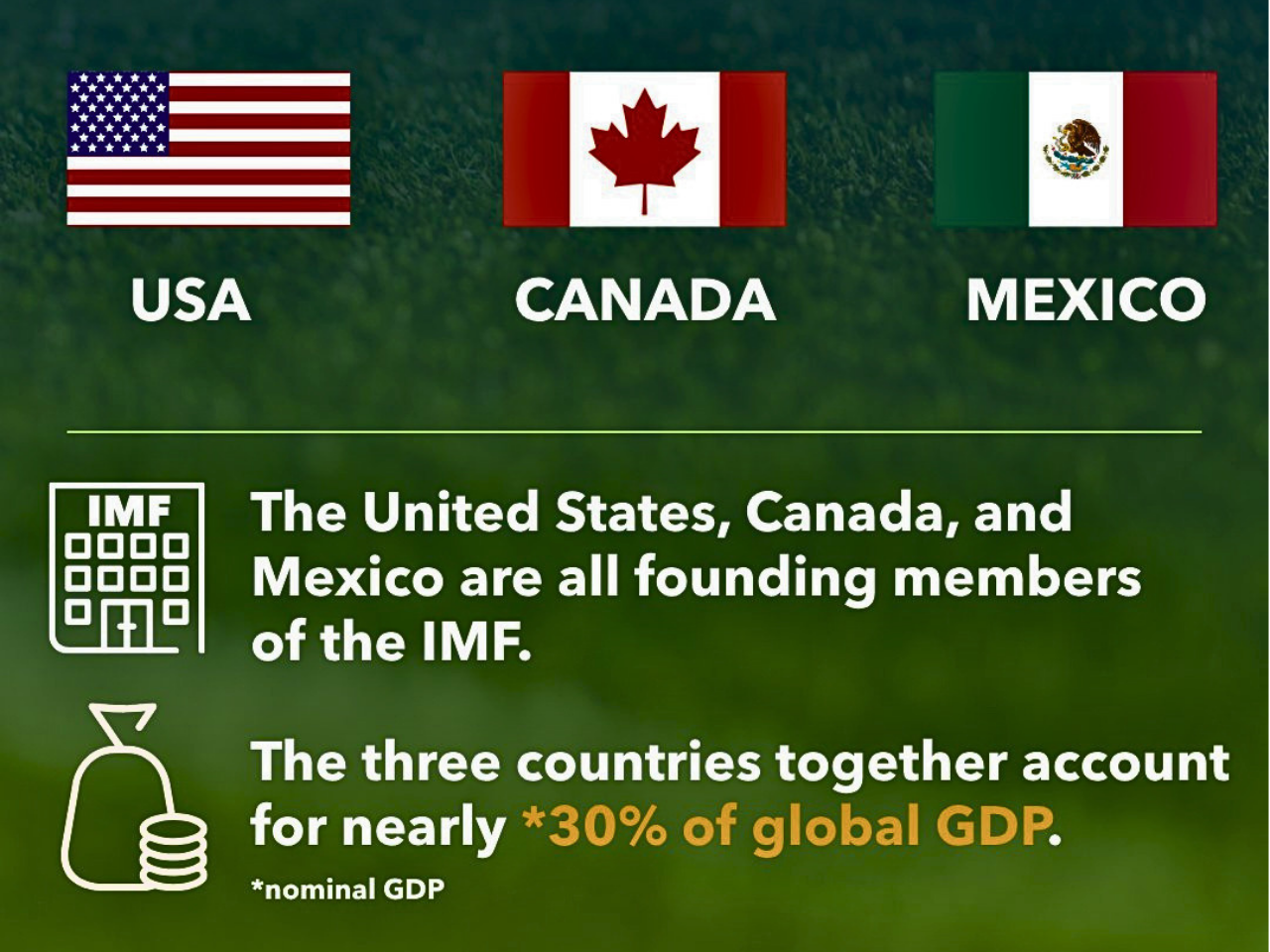
The image represent the FIFA world cup 2026 Economic Impact

The graphrepresent the SMEs finacial gap

Japan’s Business Dynamism Outpaced by Global Competitors as 15% of SMEs Are ‘Zombie Firms’ and gBizID Adoption Stays at Only One-Third vs 2030 Target

The calls for complex regulation reform, SME finance reform, increased venture capital access, and making tax credits refundable for early-stage firms to boost the 5% SME share of business R&D and cut admin friction.
The image represent the japan's business dynamism

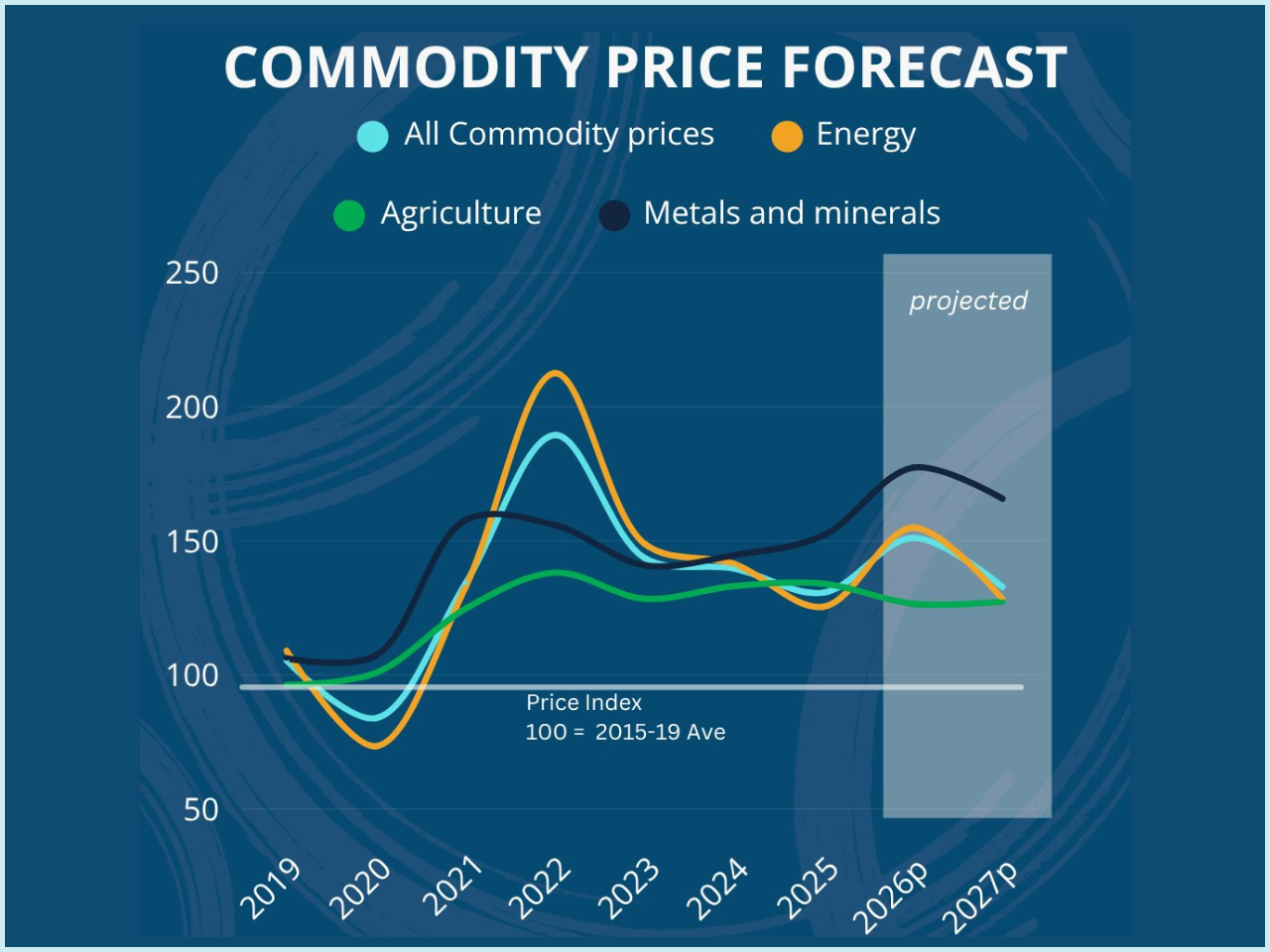
The graph represent the world commodity market outlook world bank report

Read More From News >>>

Latest Explained
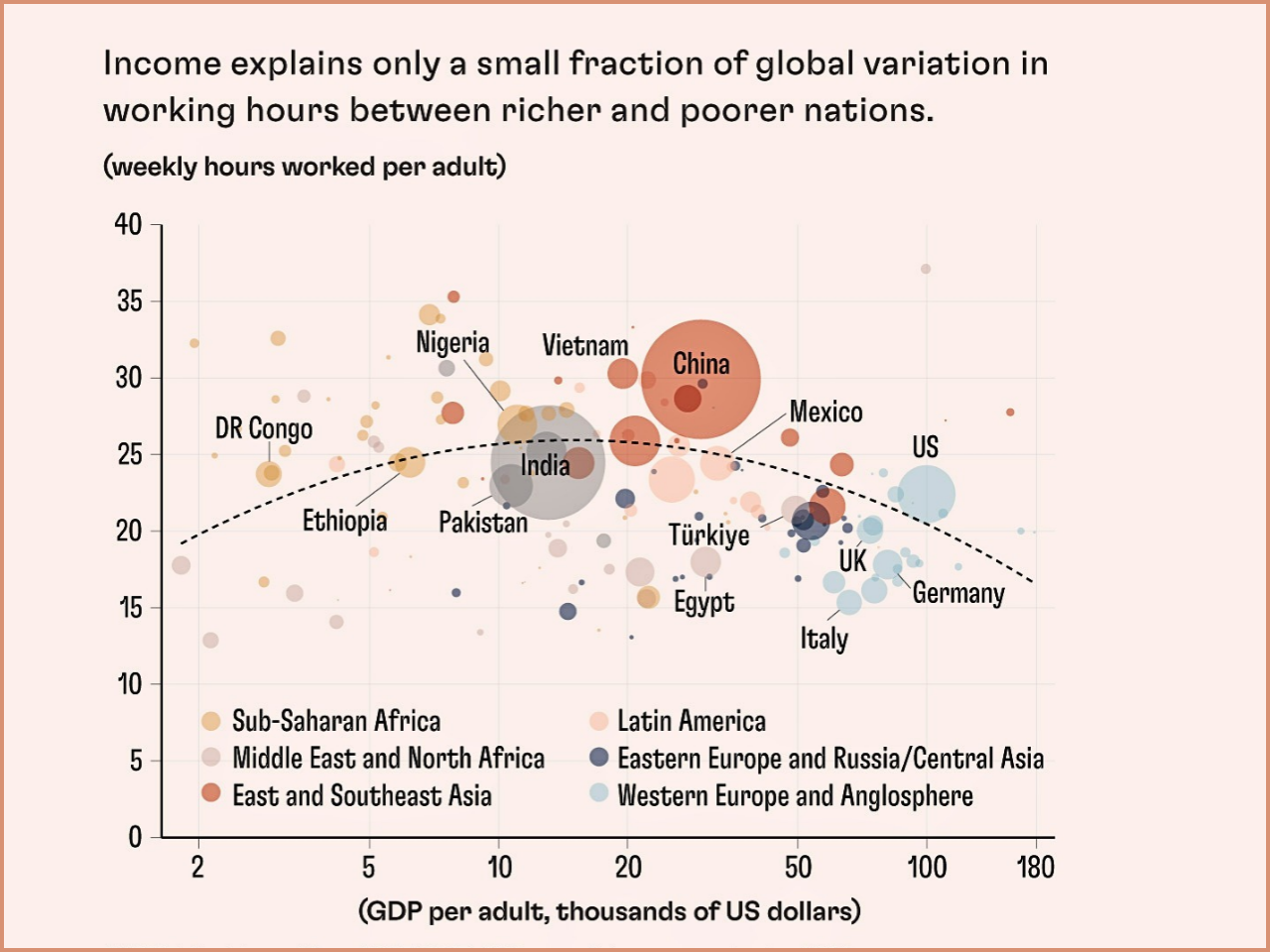
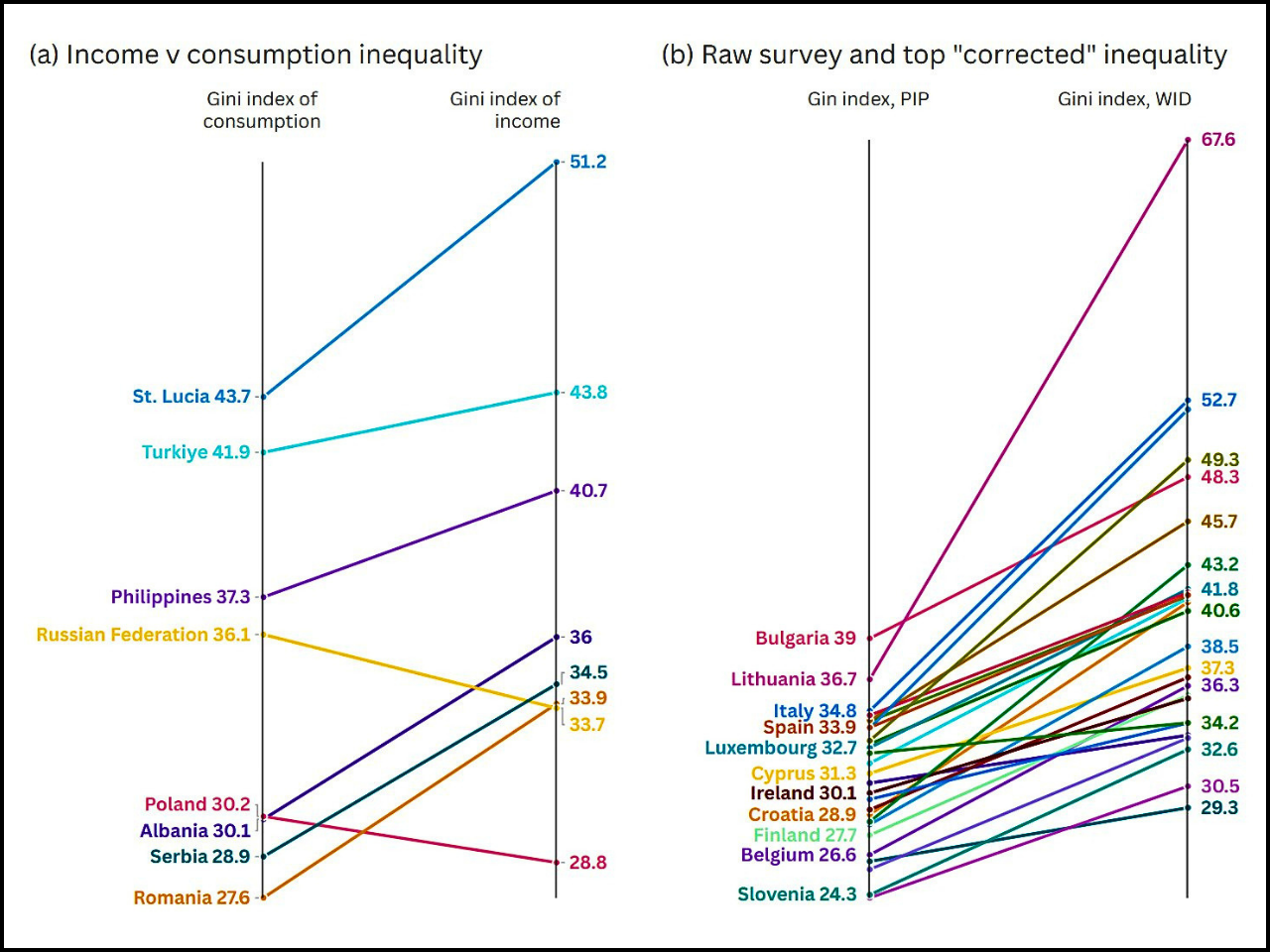
The graph represent the working and wealth data world over
Explained / June 18, 2026
Keynes Predicted 15-Hour Workweeks. Reality: 43 Hours. New 160-Country Study Debunks the Prosperity-Less Work Myth

A massive 160-country study by Amory Gethin and Emmanuel Saez finds no evidence that longer working hours mean higher prosperity. 59% of adults 15+ work 43 hours/week, men do two-thirds of world work hours vs women’s one-third, and policy decisions on education, retirement, labor law drive work patterns more than income or market forces. Keynes’ 15-hour prediction remains unmet.

The image represent the c
Explained / June 16, 2026
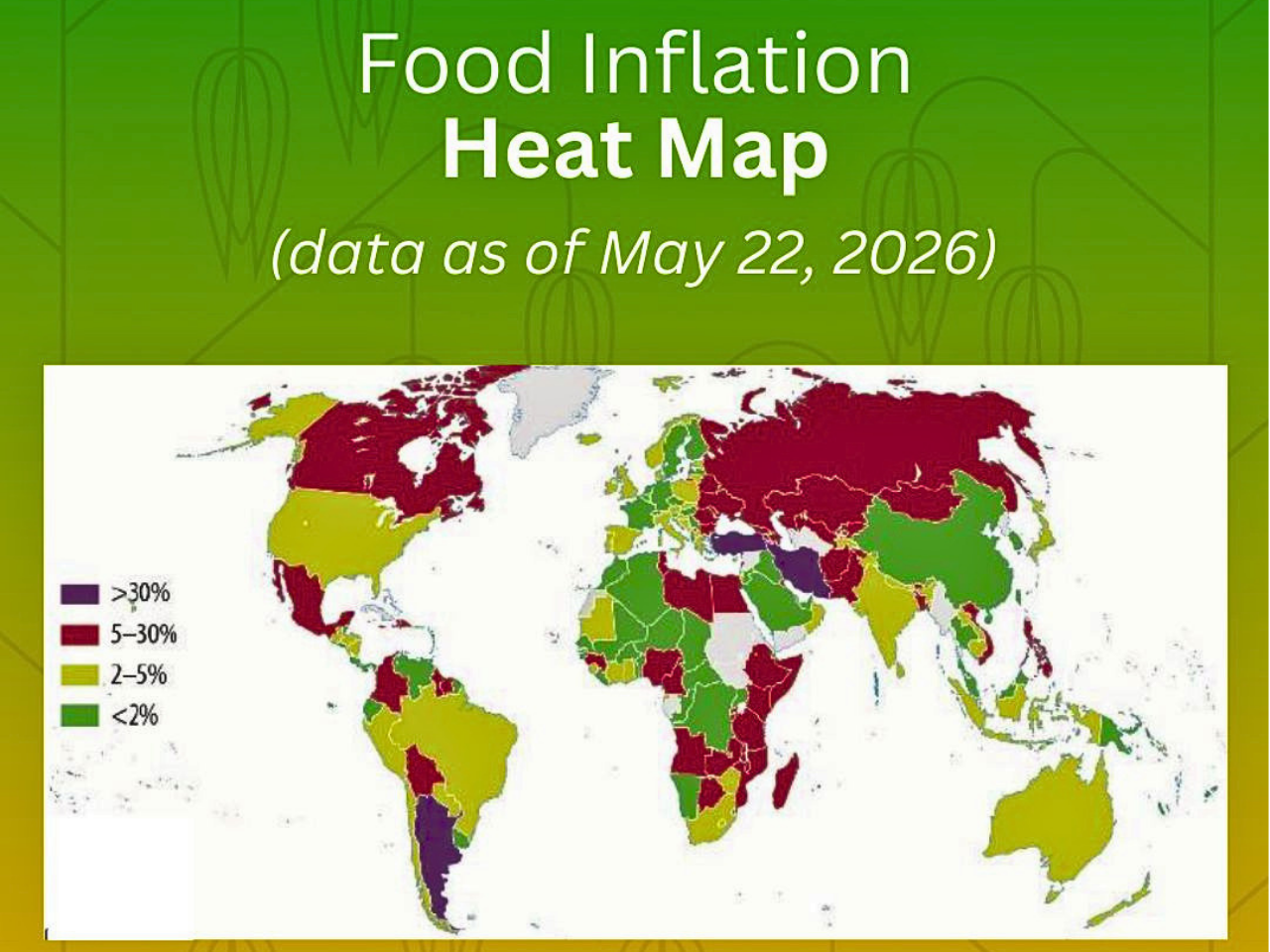
Urea Prices Jump 46% Month-on-Month as Strait of Hormuz Disruptions Push World Bank to Warn Food Security System at ‘Breaking Point’ in May 2026

The World Bank’s May 2026 report describes a food and nutrition security system at a breaking point. Urea prices jumped 46% month-on-month due to Strait of Hormuz disruptions, agricultural price indices rose 8%, and fertilizer prices are forecast up 31% in 2026. Wheat is up 19% year-on-year and maize 23% above January 2020.

The image represent the c
Explained / June 14, 2026
China’s retail sales crawl 0.2% while exports surge 14%: 5 numbers reveal a solar-EV export engine running on weak domestic demand

As leaders meet at Summer Davos in Dalian, 5 numbers define China’s economy: Record solar exports in one month, India imports up 100% and Africa 5x, BYD leads EVs over Tesla despite EU tariffs with 30% more sales, 14% export growth vs 0.2% April retail sales since 2022, and GDP target 5-6% vs IMF 4.4% forecast for 2026.

- Advertisement -

Latest Audio Edition

Read More From Blog >>>


- Advertisement -