World News

Governments Must Target Underserved Borrowers & Track True Job Growth Impact

The graph represent SMEs financial gap
Graph source: IFC

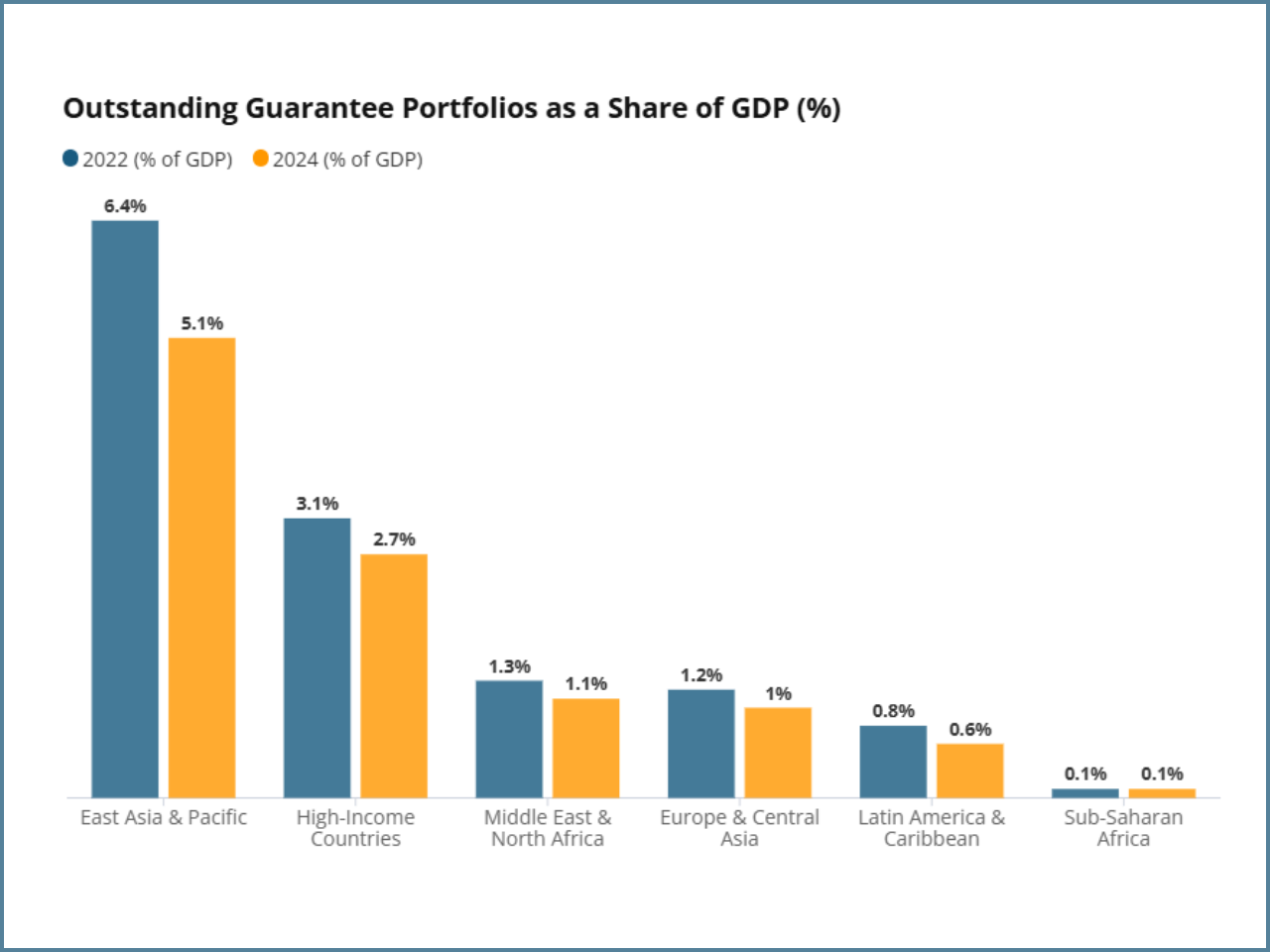
Government credit guarantee schemes are an important policy instrument for supporting small and medium enterprises (SMEs) in developing economies, as they help lower the risk of lending for banks. The survey, released by the World Bank in 108 institutions from 74 countries, exposed the magnitude and deficiencies of these programs.

The global average guarantee levels are 2% of GDP, but in Sub-Saharan Africa that is far too low at 0.1%, because that is the region’s greatest financing need.

The research has confirmed that guaranteed firms increase in size and employ more people only when the schemes reach those businesses that would have otherwise been turned down by banks.

A lot of programs do not pass this test, which is akin to subsidizing loans that would have occurred anyway. The effectiveness of a program is less dependent on the product design and more dependent on the depth and quality of the financial system and funding structure and the governance quality. Governments must push themselves to set clear objectives for improving employment, implement tougher oversight, direct more of their resources toward underserved borrowers, and devise ways to assess how public investment truly promotes to job growth.


Latest News

Japan’s Business Dynamism Outpaced by Global Competitors as 15% of SMEs Are ‘Zombie Firms’ and gBizID Adoption Stays at Only One-Third vs 2030 Target

The calls for complex regulation reform, SME finance reform, increased venture capital access, and making tax credits refundable for early-stage firms to boost the 5% SME share of business R&D and cut admin friction.
The image represent the japan's business dynamism

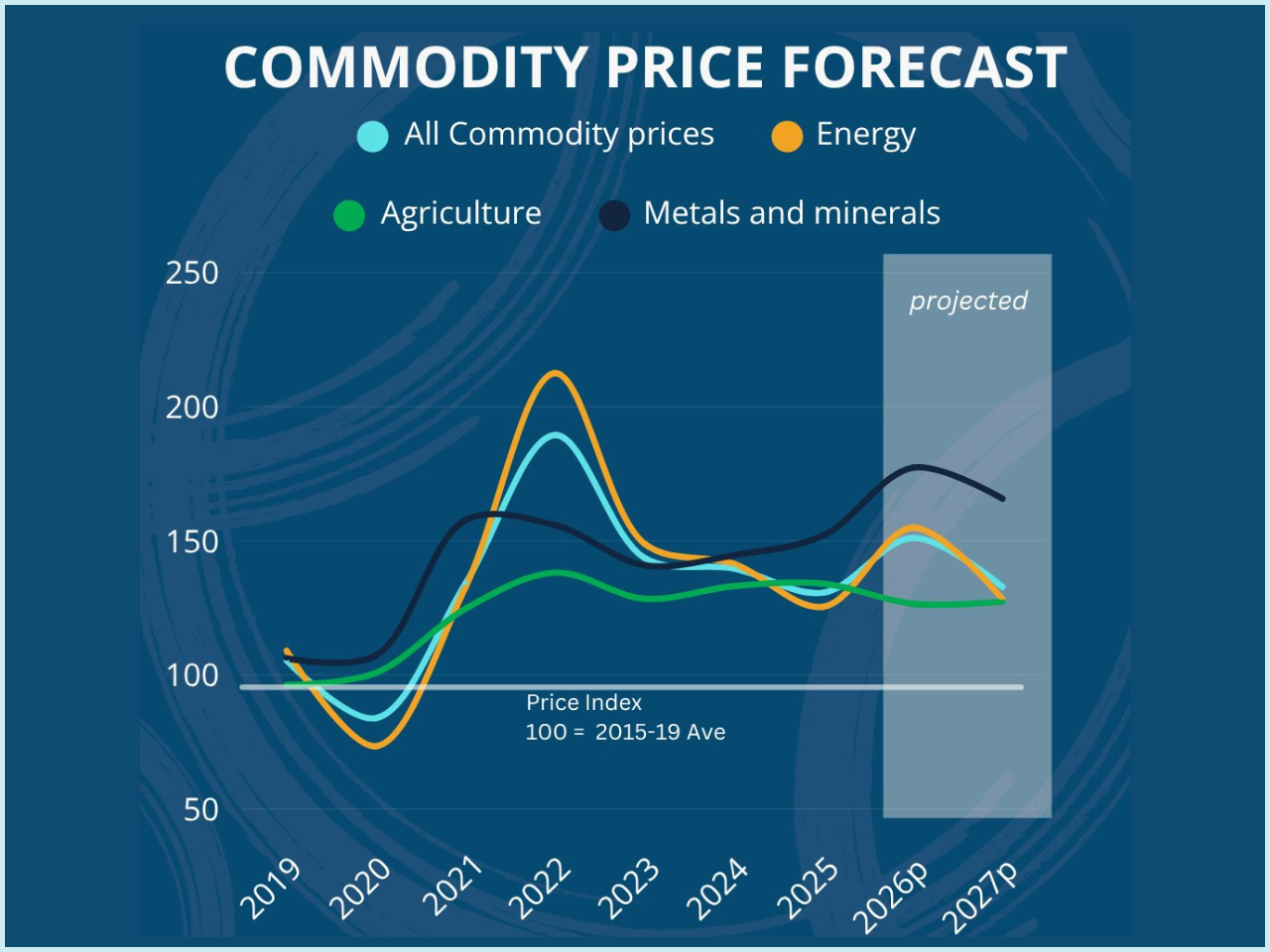
The graph represent the world commodity market outlook world bank report

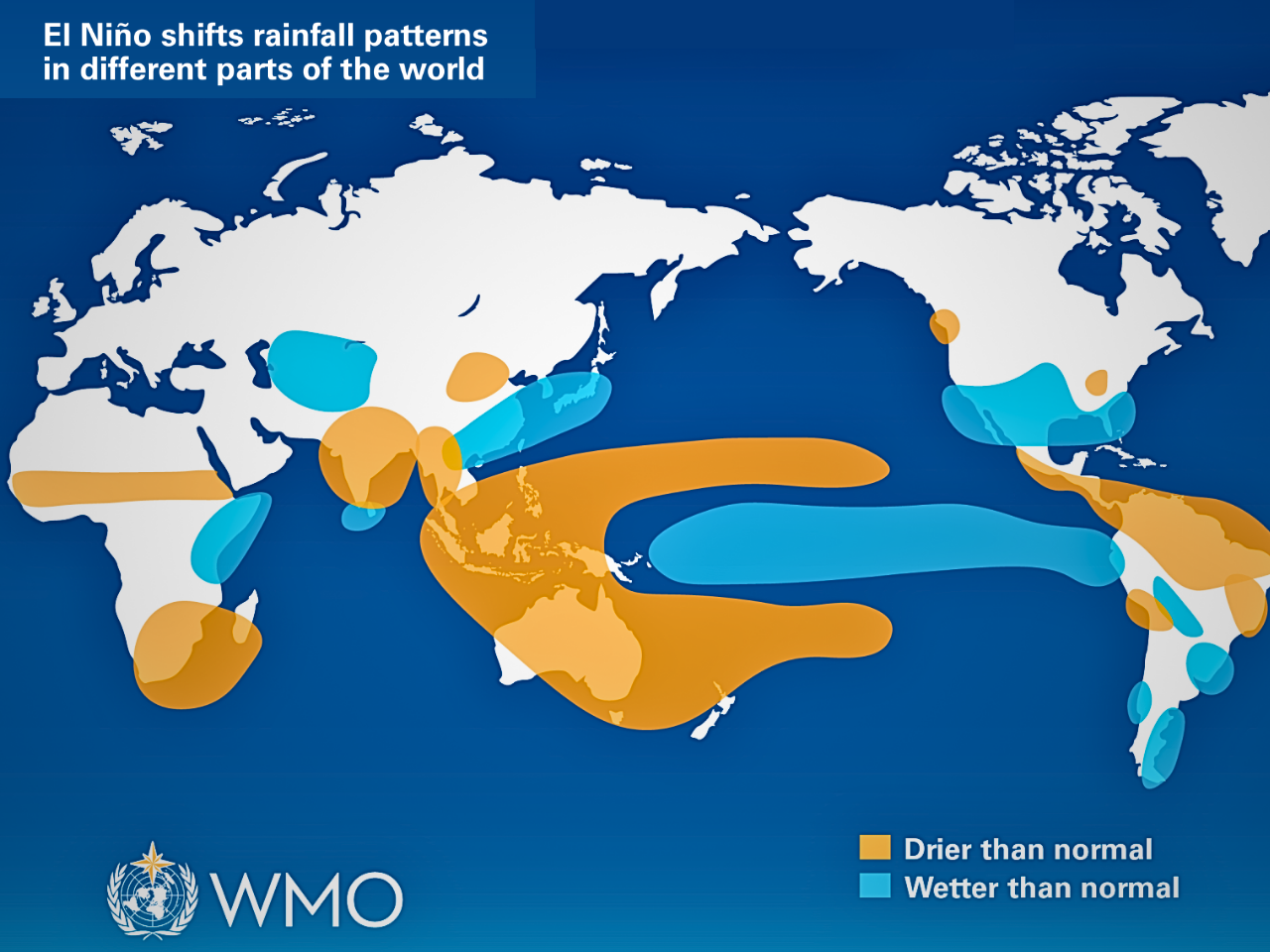
The image represent the El Nino climate crises in south asian monsoon

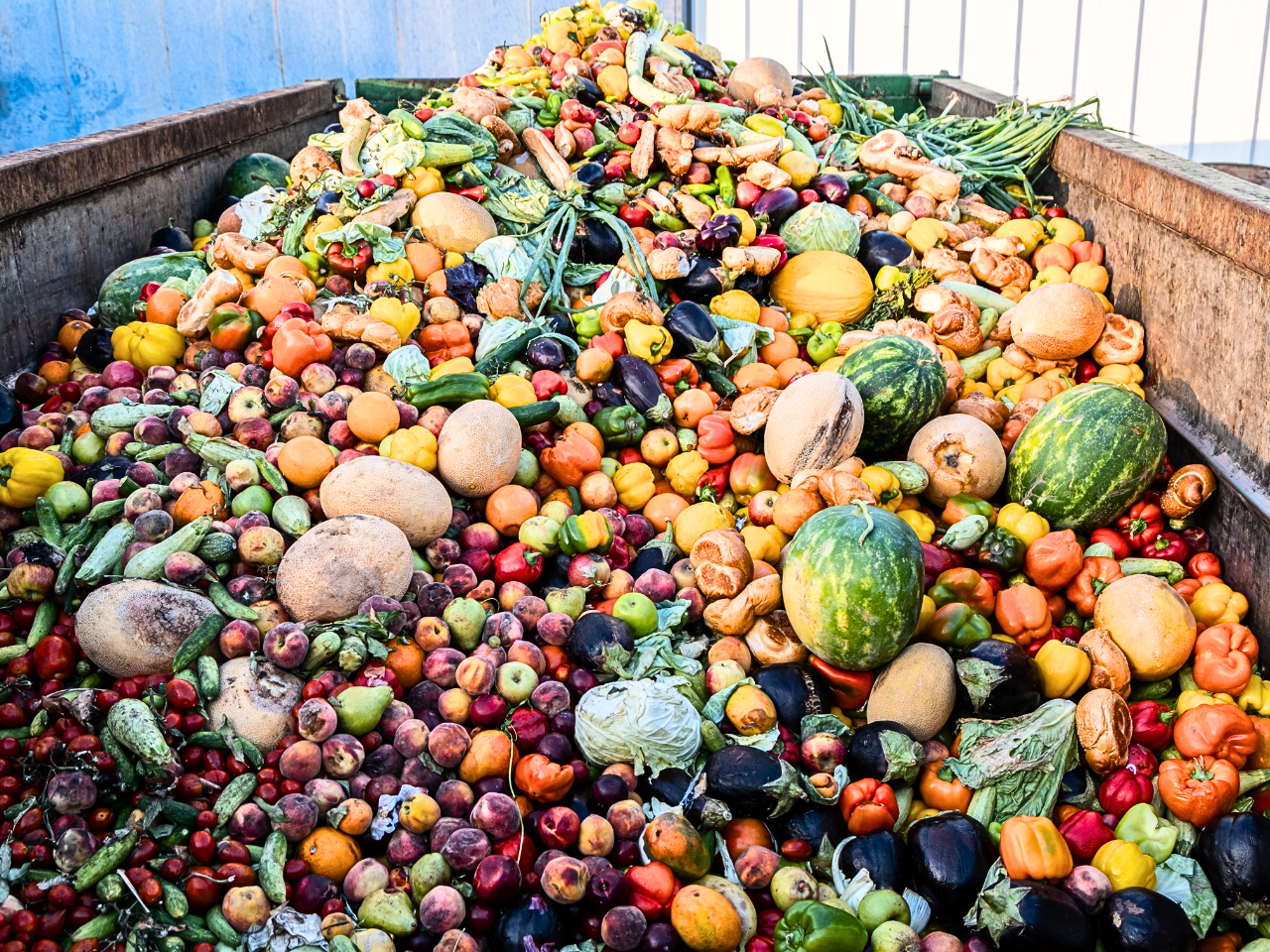
The image represent the fruits and vegitable waste

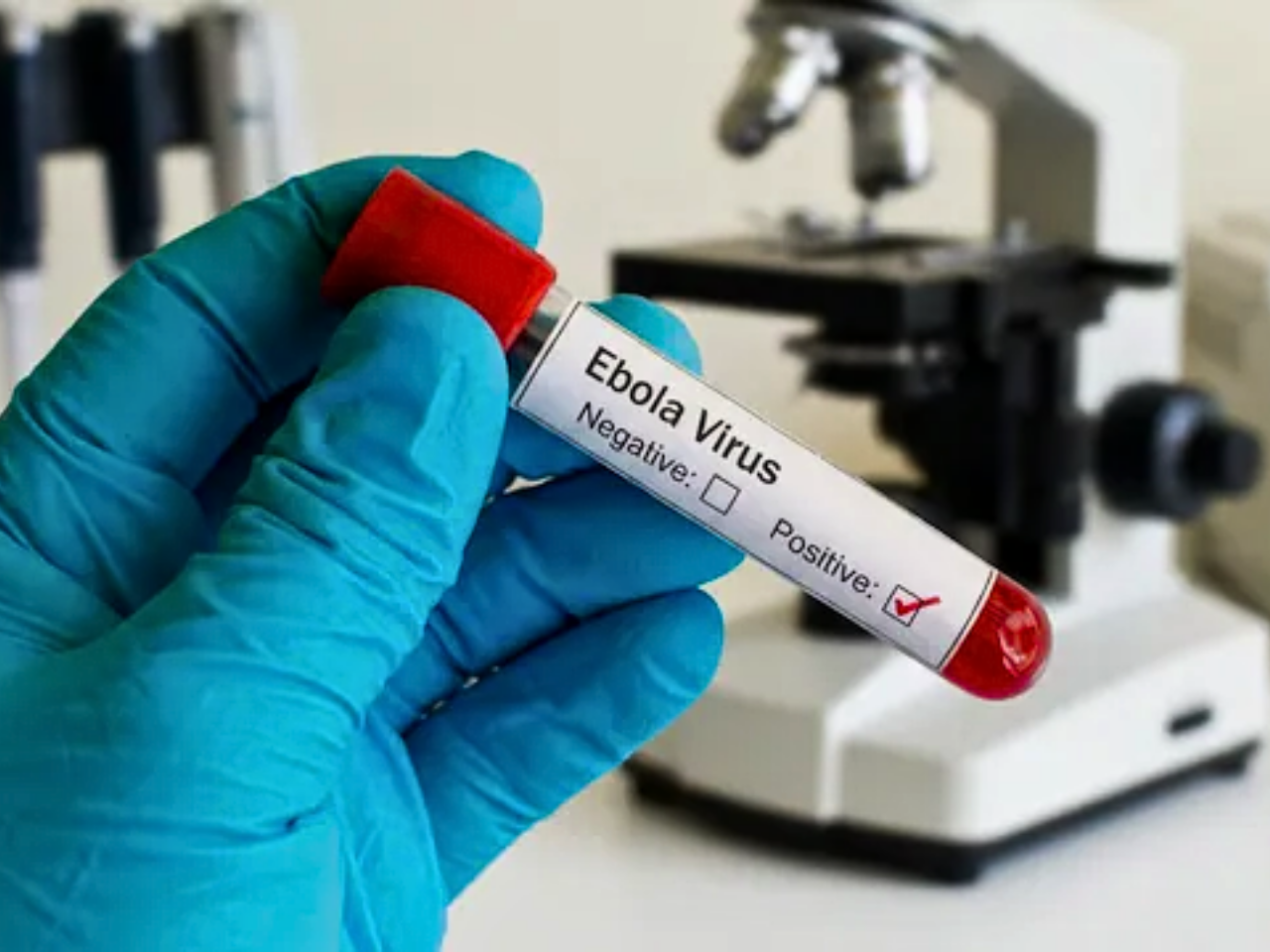
The image represent the ebola bunibugyo virus testing cube

Read More From News >>>

Latest Explained
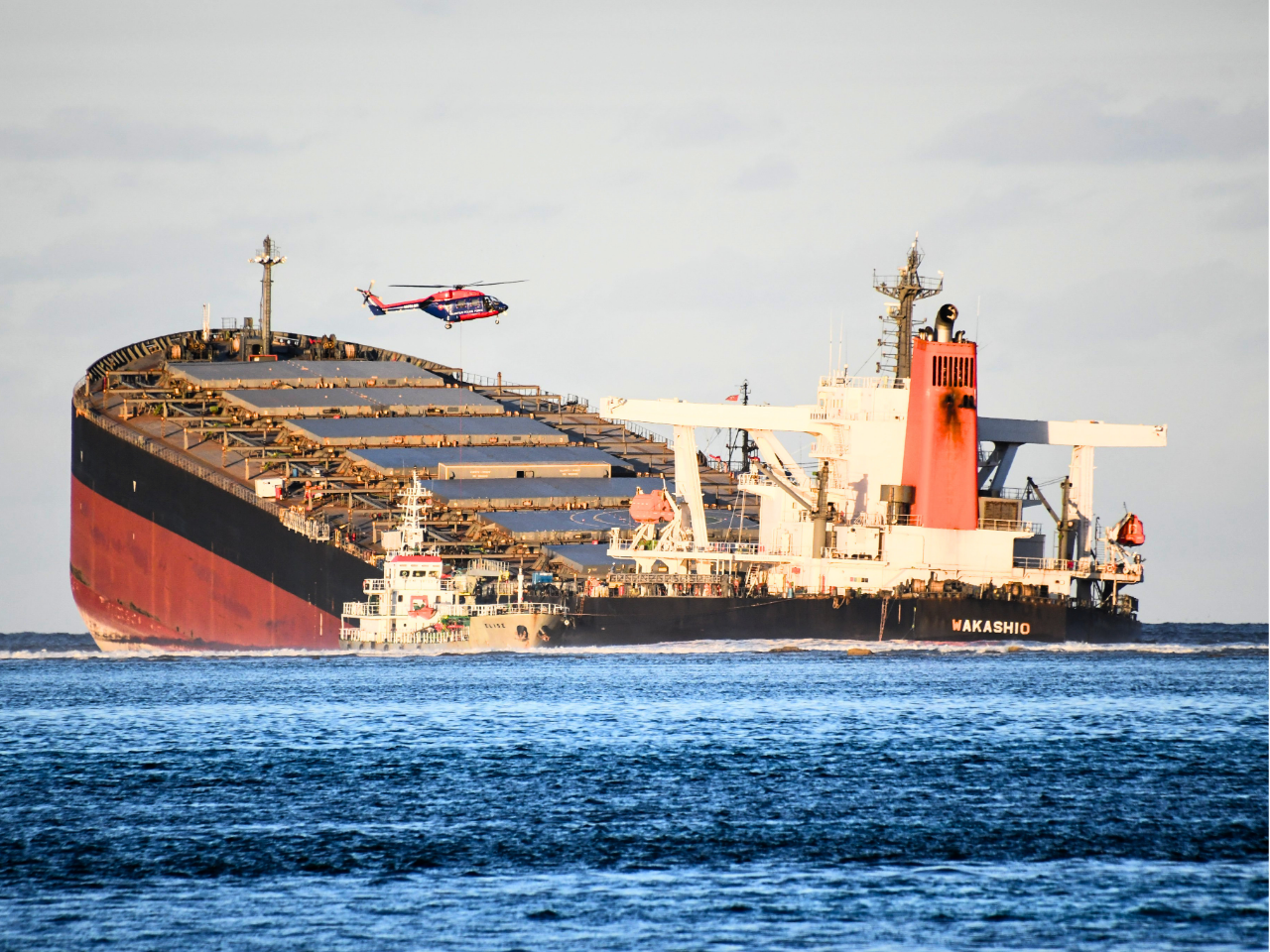
The image represent the coral reef restoration mauritius oil spill
Explained / June 11, 2026
Coral Reefs Worth $2.7 Trillion/Year: How 25,500 Restored Corals Are Saving Mauritius’s Fisheries & Tourism

Coral reefs provide $2.7 trillion in ecosystem services yearly yet face collapse by 2050. After MV Wakashio’s 1,000-tonne oil spill destroyed Mauritius reefs, Dr. Nadeem Nazurally’s ecoMode Society used microfragmentation to restore 25,500 corals. With fishers and women farmers, 86,000 sqm became a conservation area, protecting fisheries and tourism livelihoods SIDS depend on.

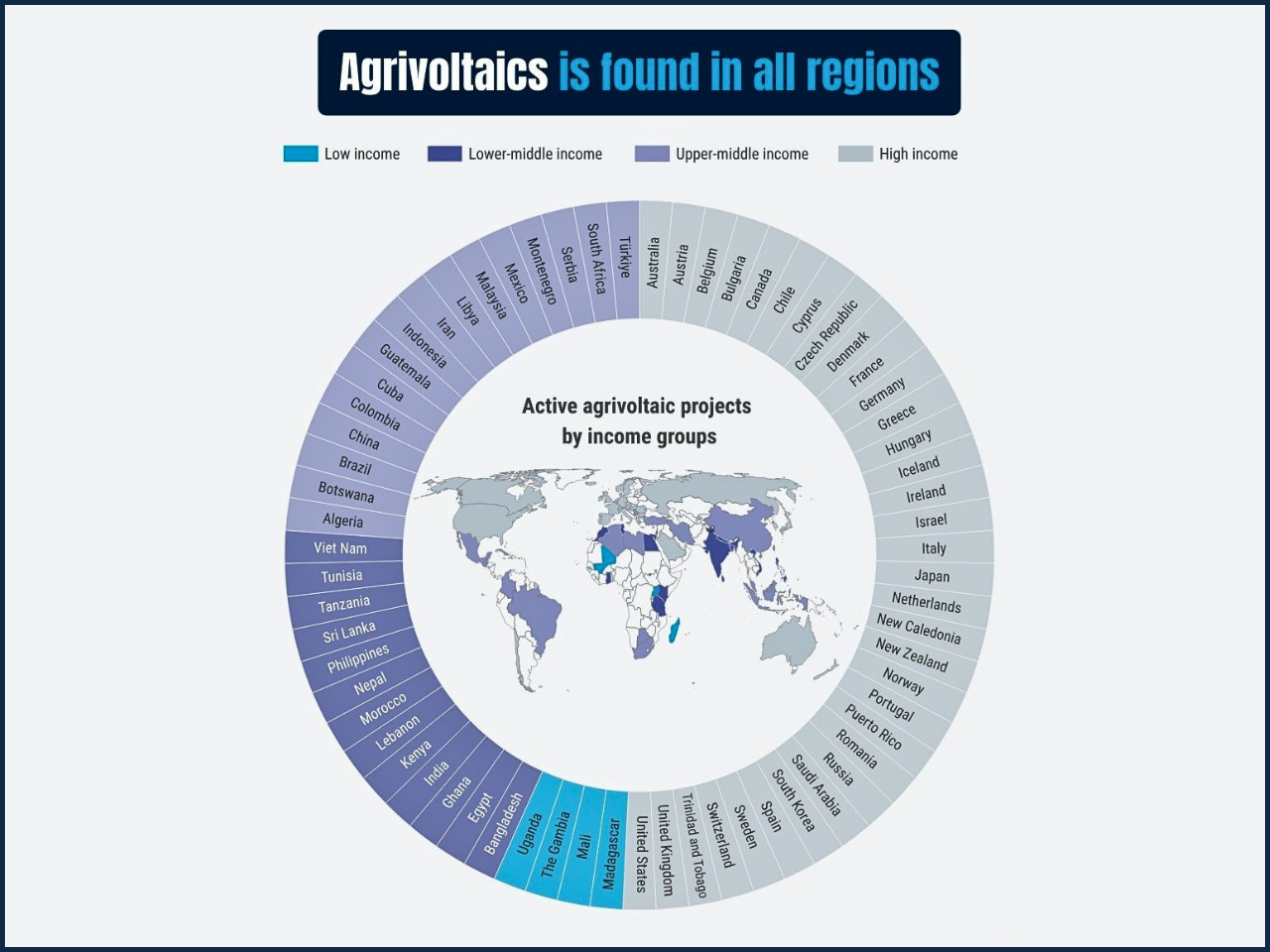
The graph represent agrivoltaics active projects by income group
Explained / June 08, 2026
Dual-Income Farms: How Agrivoltaics Turns One Acre Into Food Profits and Electricity Revenue

Agrivoltaics lets farmers earn income from both crop production and selling solar electricity, providing economic stabilization for rural communities. This dual-use approach creates jobs for skilled and unskilled laborers while addressing food and energy demands in developing nations where land and resources are scarce.

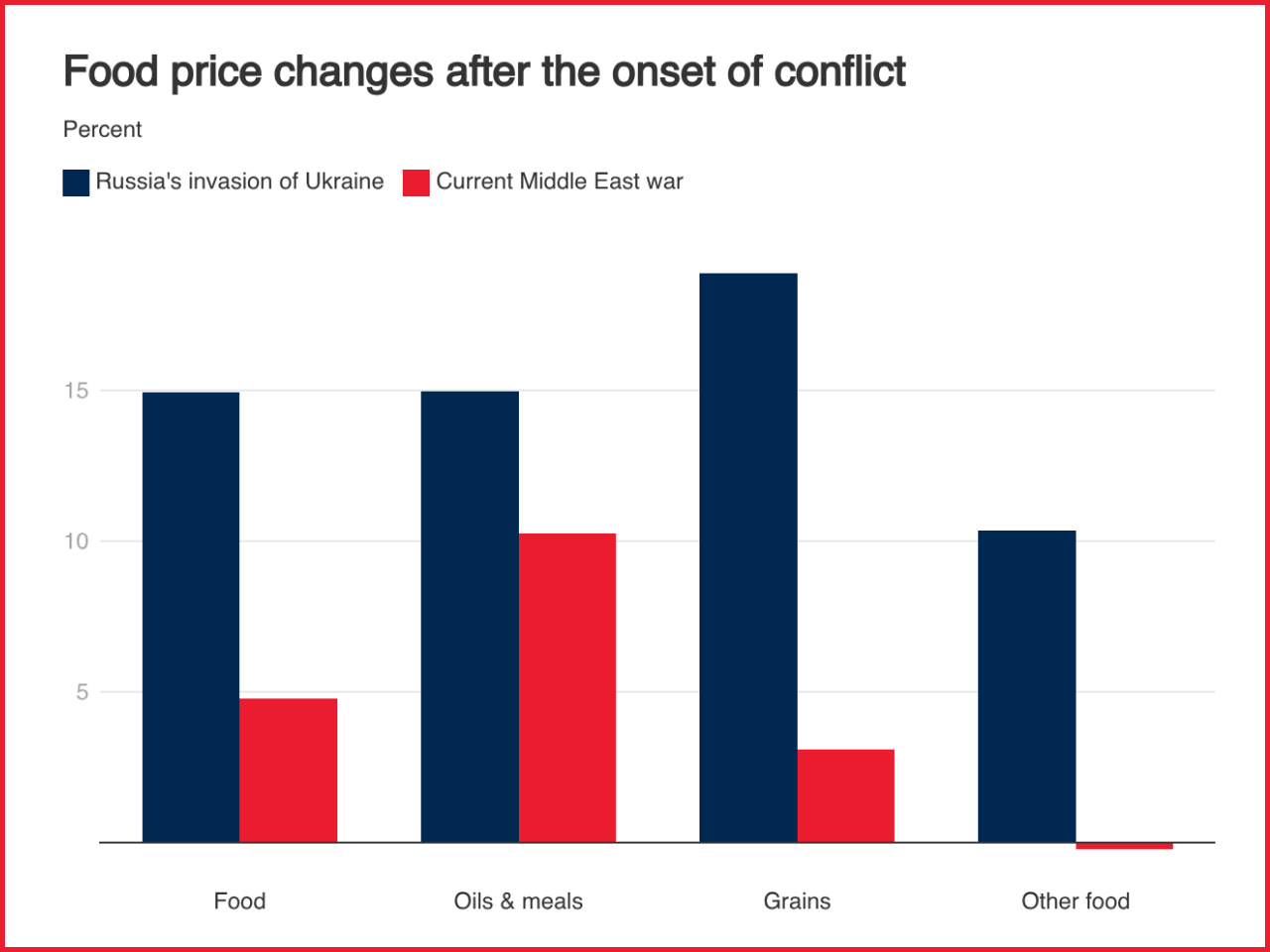
The graph represent world food market price crisis
Explained / June 05, 2026
Strait of Hormuz Closure Pushes Food Commodity Prices to April 2026 Levels Not Seen Since Jan 2024, World Bank Reports 5% Surge as Oil, Fertilizer, Transport Costs Escalate

The world food market is in crisis after the total closure of the Strait of Hormuz in late February pushed food commodity prices to April 2026 levels not seen since January 2024. The World Bank reported food prices increased 5% in two months from the conflict’s onset, driven by rising energy, fertilizer, and transport costs.

- Advertisement -

Latest Audio Edition

Read More From Blog >>>


- Advertisement -