World News

Nearly 1 in 4 EU Youth at Poverty Risk in 2025 as Rate Jumps 3.3 Points; Romania, Greece, Bulgaria See 14%+ Deprivation

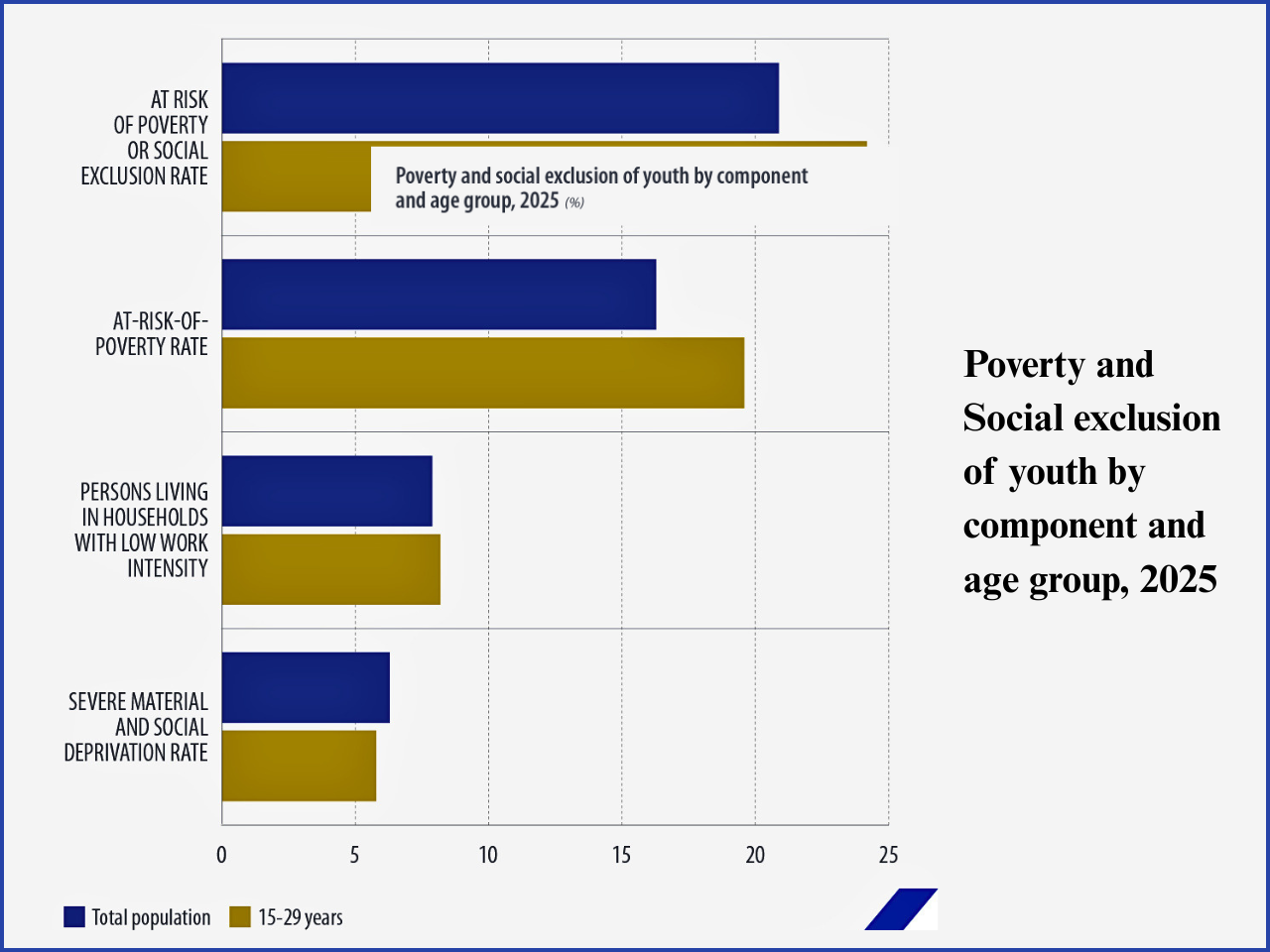
The Image represent Youth hunger crisis
Graph source: EU_Eurostat

The most crucial state for young people in the EU. For 15-29 year olds, the proportion at risk of poverty or social exclusion rose by 3.3 percentage points in 2025 to stand at nearly a quarter (24.2% of the total population was at risk of poverty or social exclusion by comparison). This is important for those starting out in life. Just over a fifth (19.6%) of youth were at risk of poverty in the EU-27 in 2025 (and a greater share in 2019 than in 2015: 16.3% of young people were affected in 2019, which compares to 16.4% in 2015), whilst 8.2% of youth households in which people lived experienced low work intensity (in 2019, 7.9% of all such households).

Deprivation:
A mixed regional outlook: high but static rates of deprivation among the youth. As in the previous year, 5.8% of youth were subject to severe material and social deprivation (but slightly fewer young people: a small proportion, 6.3% of all the EU population, was subject to severe deprivation also).

Residents from Romania (15.1%), Greece (14.7%) and Bulgaria (14.0%) have significantly the highest rates for young people. However, 10 member states recorded below 3.0% in 2019, with the following five member states (in which young individuals lived): Croatia, Greece, Luxembourg, Poland, and Estonia also recording 5% and above (all above 5.8%), and so Croatia, Estonia, and Poland had similar values to Bulgaria (all just below 10%).


Latest News
The image represent the youth internet use and socila medi impact

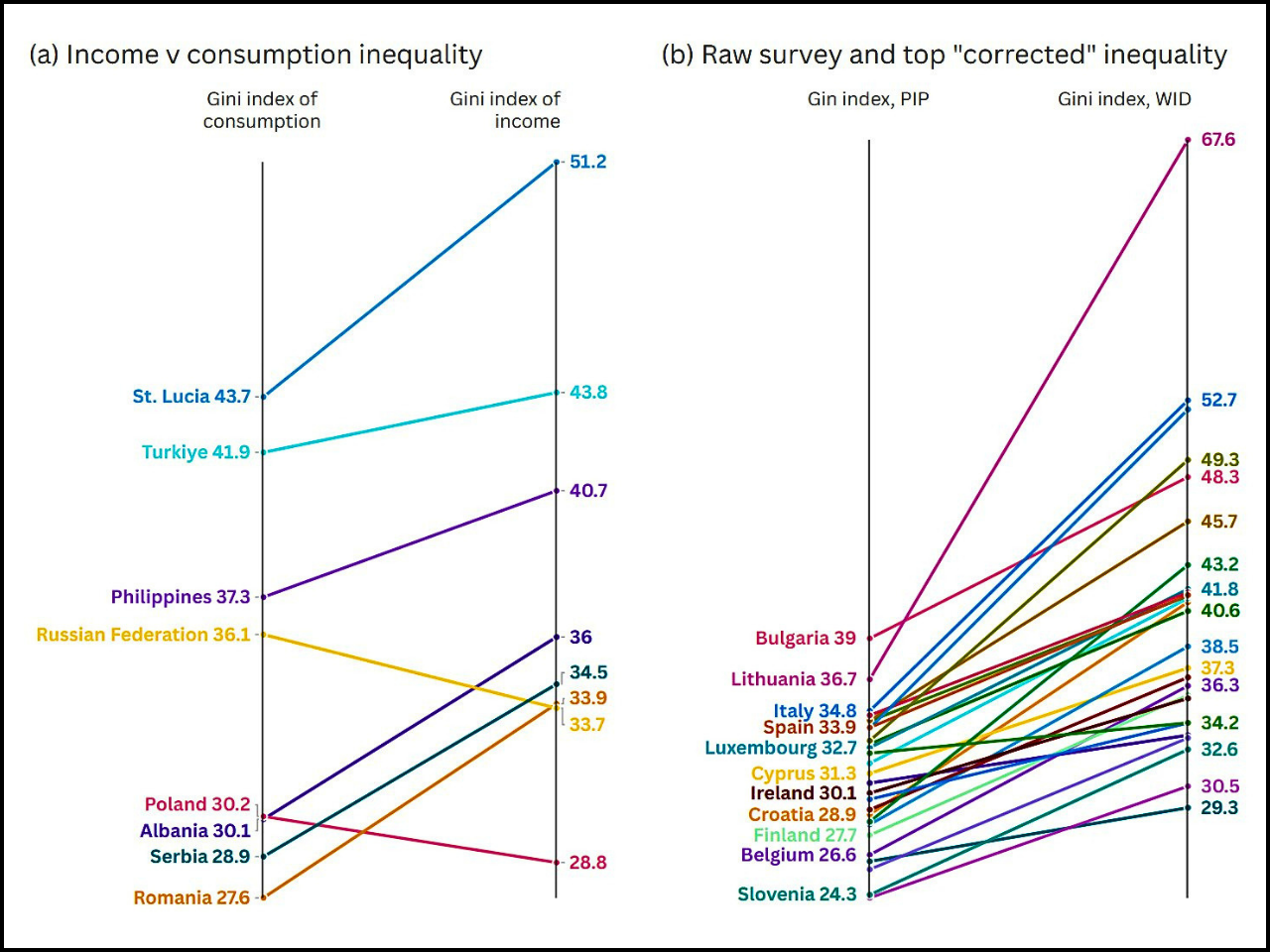
The graph represent New finance model to tackle poverty

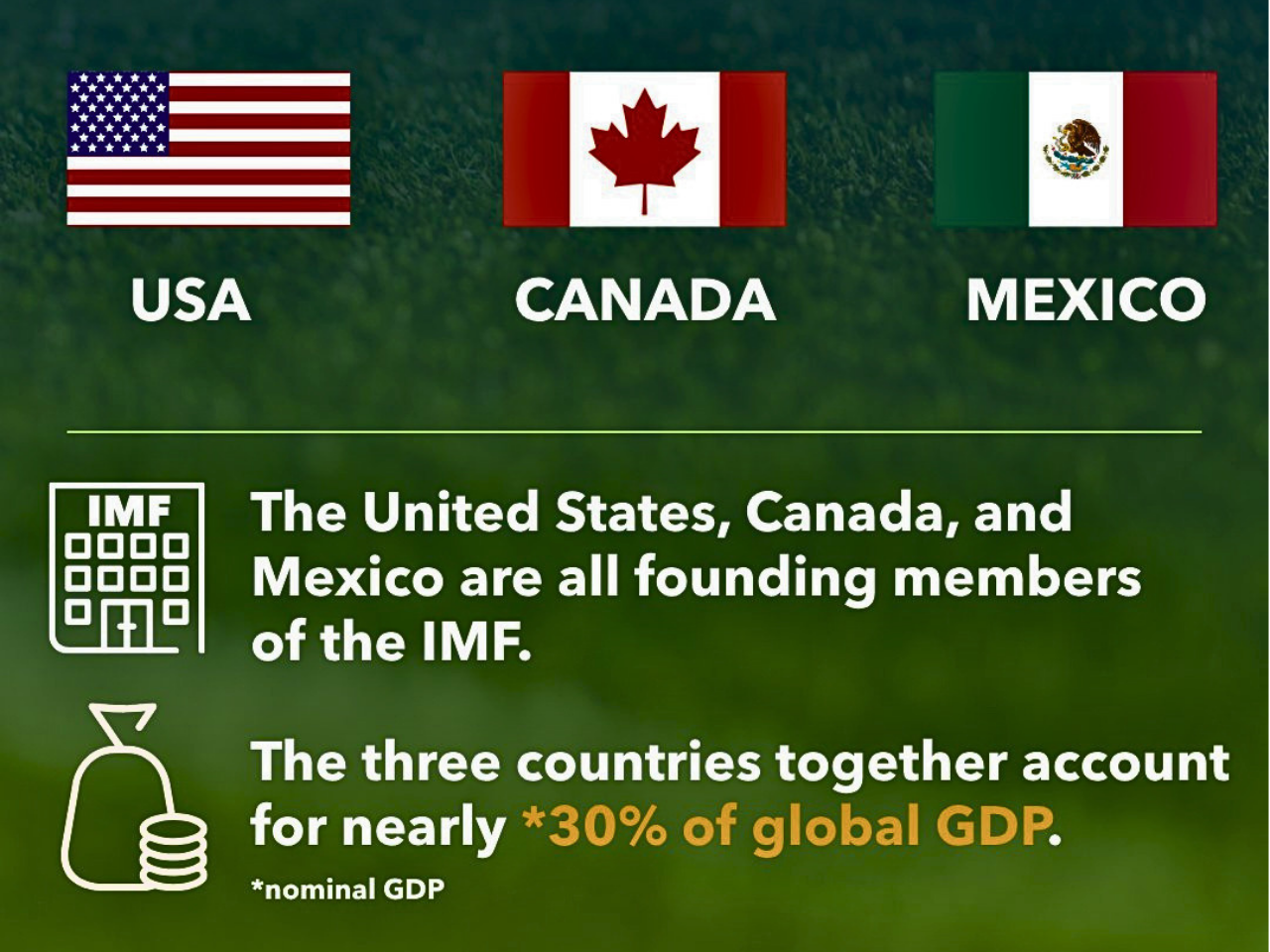
The image represent the FIFA world cup 2026 Economic Impact

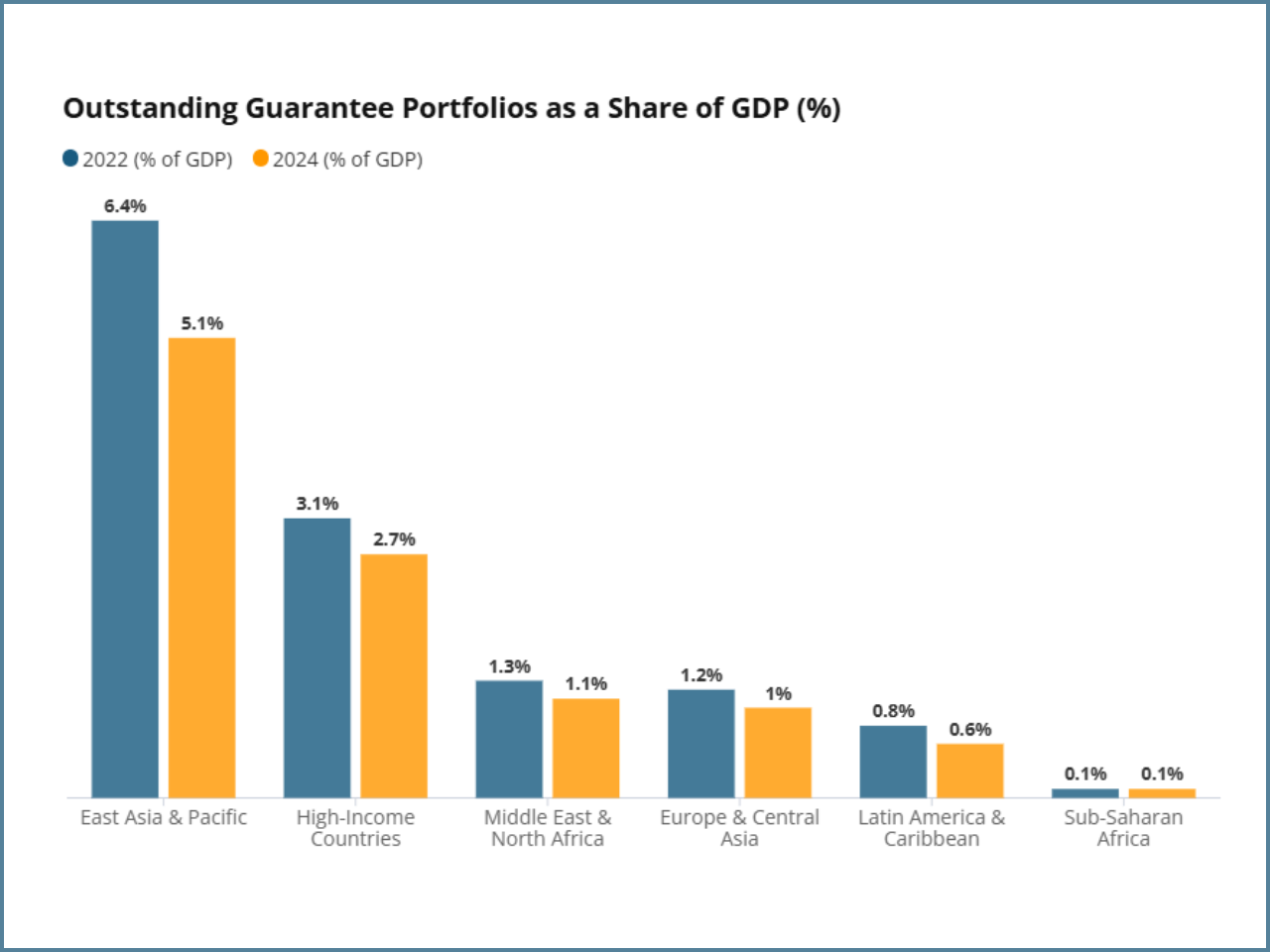
The graphrepresent the SMEs finacial gap

Japan’s Business Dynamism Outpaced by Global Competitors as 15% of SMEs Are ‘Zombie Firms’ and gBizID Adoption Stays at Only One-Third vs 2030 Target

The calls for complex regulation reform, SME finance reform, increased venture capital access, and making tax credits refundable for early-stage firms to boost the 5% SME share of business R&D and cut admin friction.
The image represent the japan's business dynamism

Read More From News >>>

Latest Explained
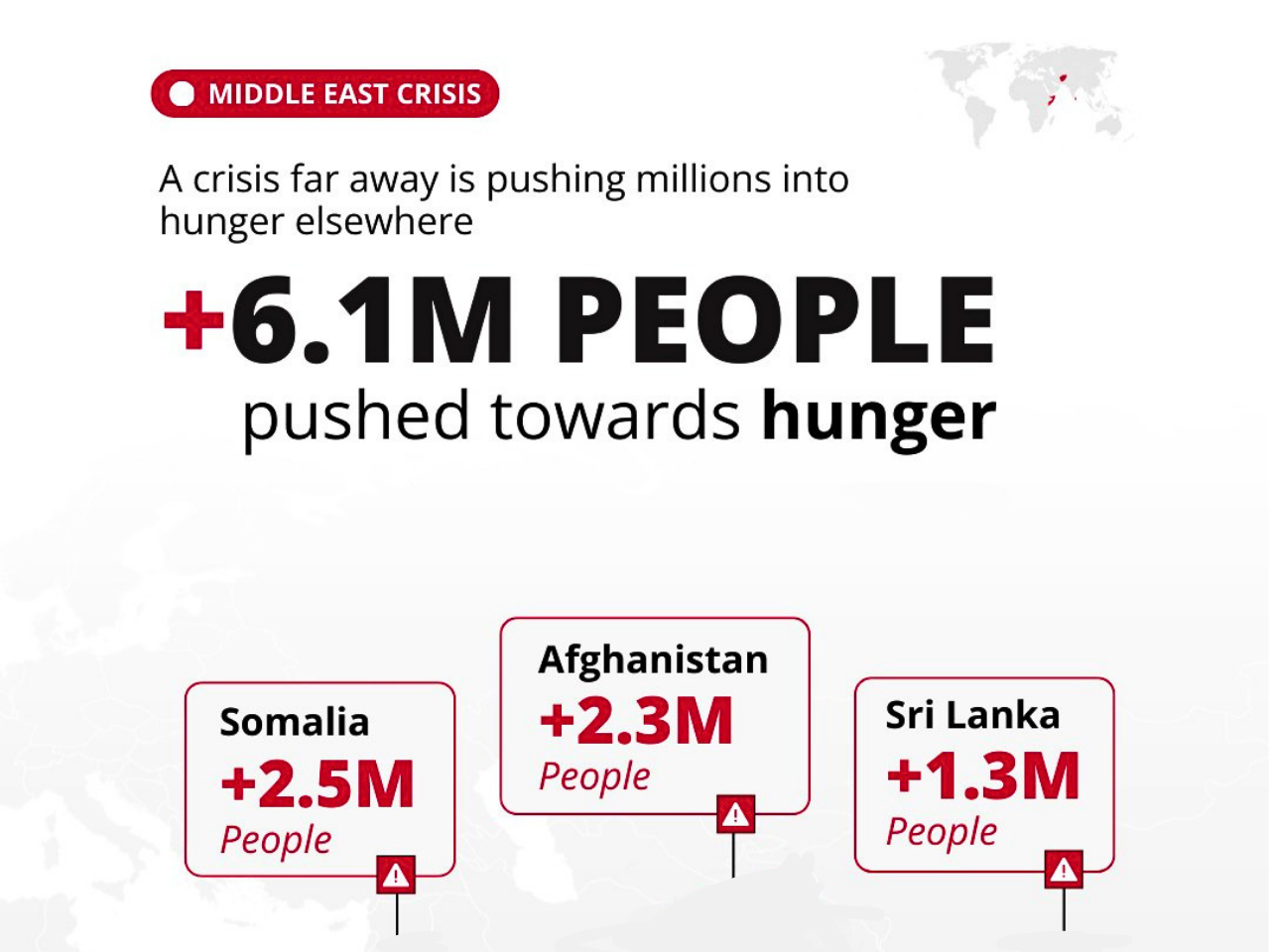
The image represent the hunger crisis
Explained / June 20, 2026
WFP 'War Shock' Reality: Middle East Crisis Pushes 2.5M More in Somalia, 1.3M in Sri Lanka, 2.3M in Afghanistan Into Acute Food Insecurity as Oil Holds Above $100 Per Barrel

Three months after the UN World Food Programme warned Middle East conflict could push millions into starvation, the 'war shock' is reality. WFP's report finds 2.5M more people in Somalia, 1.3M in Sri Lanka, and 2.3M in Afghanistan in acute food insecurity as oil holds above $100/barrel.

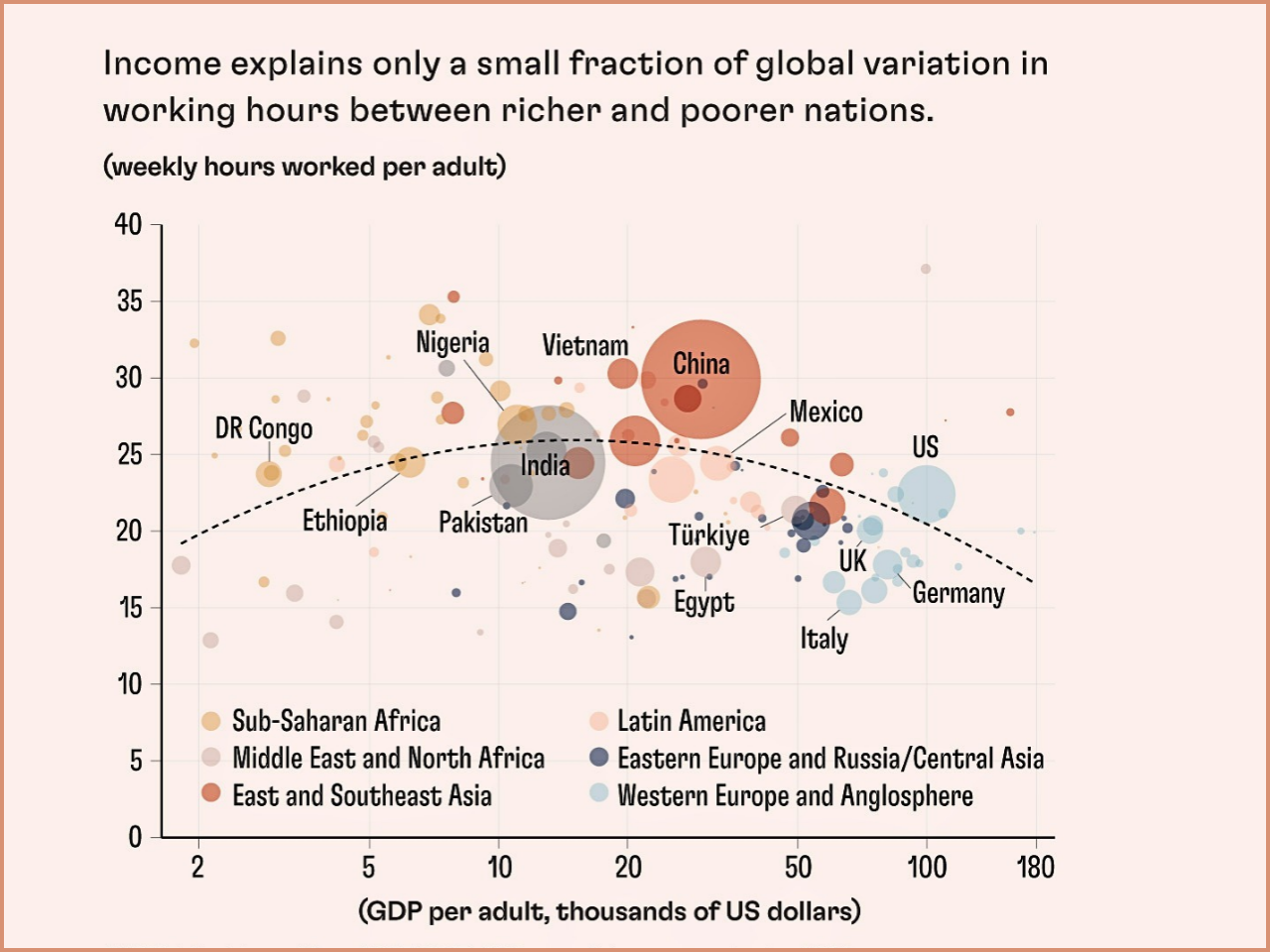
The graph represent the working and wealth data world over
Explained / June 18, 2026
Keynes Predicted 15-Hour Workweeks. Reality: 43 Hours. New 160-Country Study Debunks the Prosperity-Less Work Myth

A massive 160-country study by Amory Gethin and Emmanuel Saez finds no evidence that longer working hours mean higher prosperity. 59% of adults 15+ work 43 hours/week, men do two-thirds of world work hours vs women’s one-third, and policy decisions on education, retirement, labor law drive work patterns more than income or market forces. Keynes’ 15-hour prediction remains unmet.

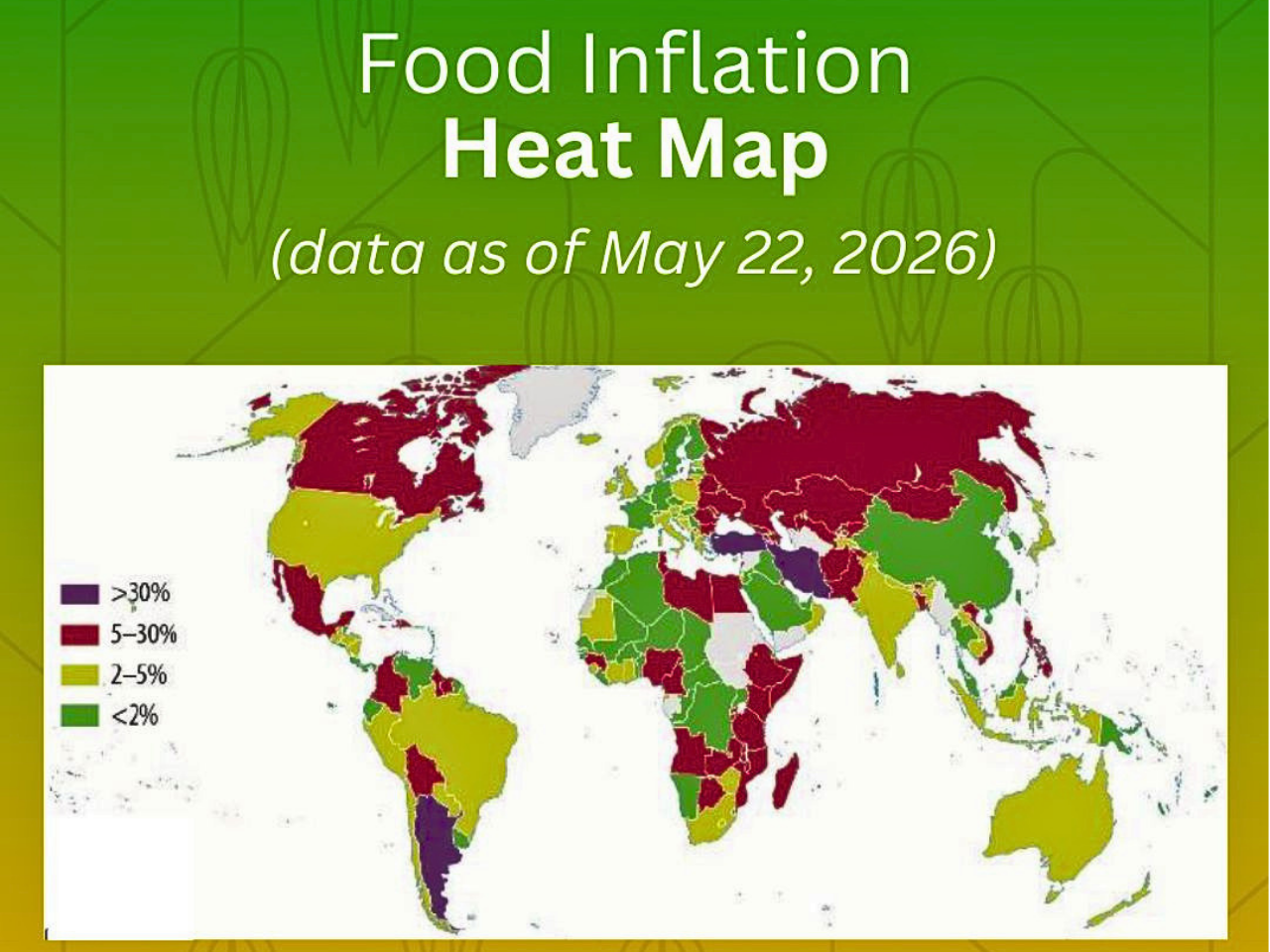
The image represent the c
Explained / June 16, 2026
Urea Prices Jump 46% Month-on-Month as Strait of Hormuz Disruptions Push World Bank to Warn Food Security System at ‘Breaking Point’ in May 2026

The World Bank’s May 2026 report describes a food and nutrition security system at a breaking point. Urea prices jumped 46% month-on-month due to Strait of Hormuz disruptions, agricultural price indices rose 8%, and fertilizer prices are forecast up 31% in 2026. Wheat is up 19% year-on-year and maize 23% above January 2020.

- Advertisement -

Latest Audio Edition

Read More From Blog >>>


- Advertisement -