World News

UP farmer yield jumps from 4 to 9 tonnes/hectare: How AgriConnect is reshaping farming for 240M people

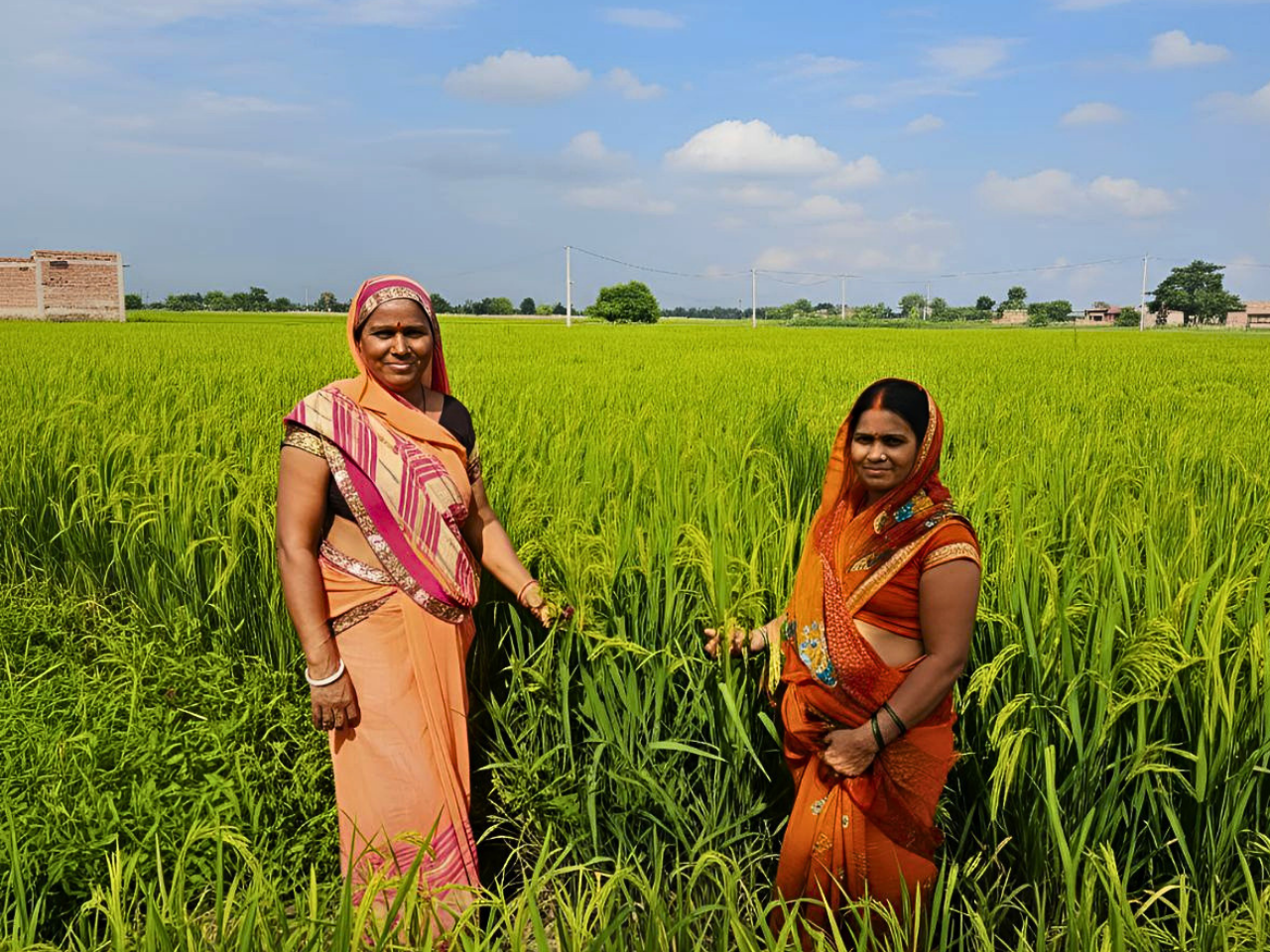
The Image represent AgriConnect-UPfarmer-YieldJumps
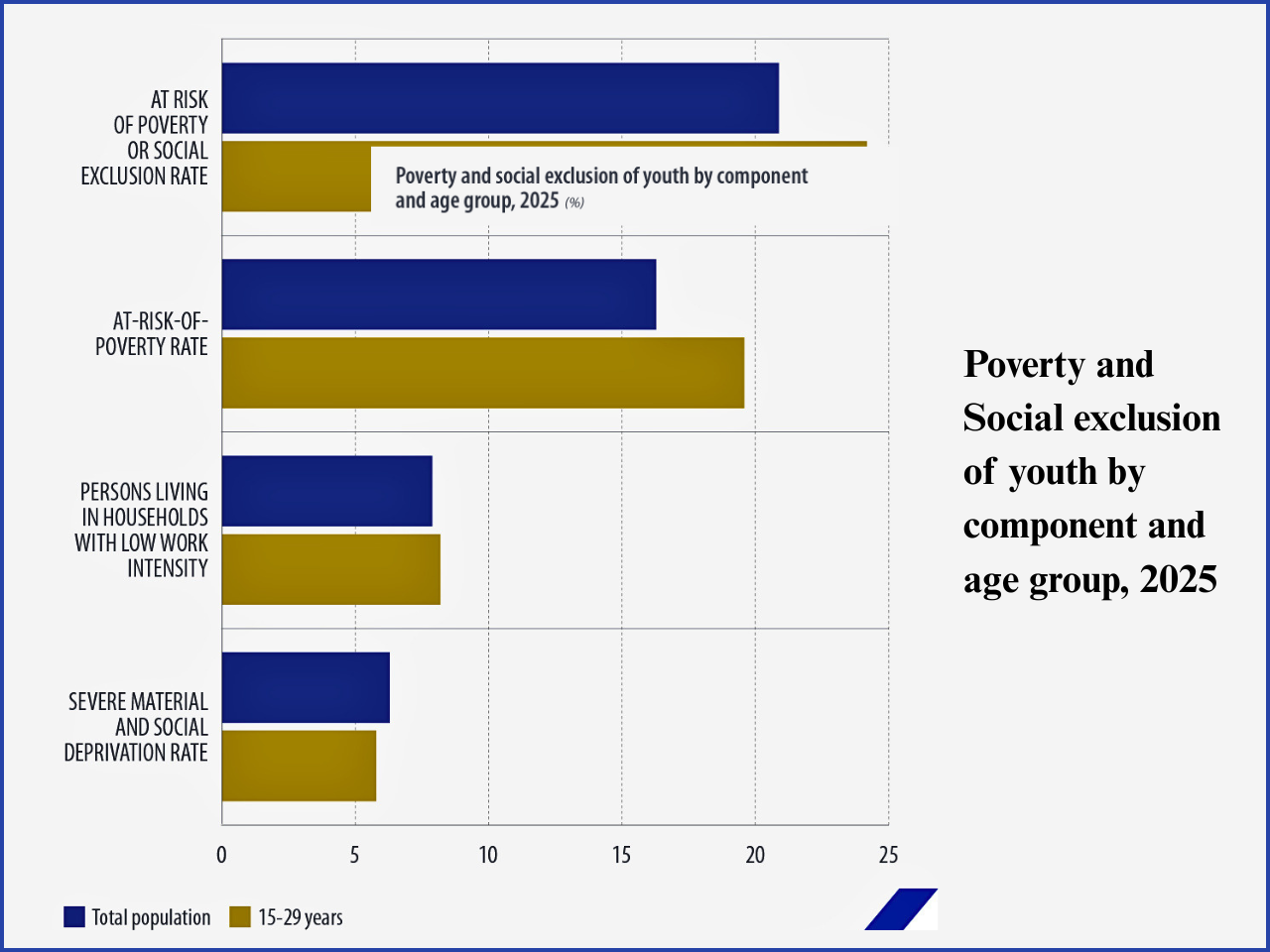
Graph source: EU_Eurostat

Innovative Farming Methods Boost Growth
In India’s most populous state, Uttar Pradesh, with a population of 240 million people, the AgriConnect initiative is transforming the way farmers work. The World Bank Group’s AgriConnect initiative is changing agriculture in the world’s most populous state, Uttar Pradesh, which has a population of 240 million. One of the innovations that is being trialed is direct-seeded rice, which involves planting seeds in the paddy fields as opposed to the conventional nursery system. This has yielded significant benefits for one farmer, who says his yield has increased to 9 tonnes per hectare, up from 4 tonnes, and for another who says production costs are reduced by more than $120 per hectare with huge water savings reports.

Technology and Investment Open Opportunities in the Rural Areas
UP-AGRIVERSE is a digital platform that supports these farming innovations by aggregating market data, financial services, and AI-driven advice for agriculture, all designed to fit into the lowest bandwidth and a basic smartphone. Private investments are also coming in, including a $461 million aquaculture agreement with Dubai-based Aqua Bridge, which has brought drone feeding technology to the local fish farmers. The initiative is to scale up direct-seeded rice to 2 million hectares in the long term, which could help to cut emissions by 230,000 tonnes of CO₂ equivalent. In addition to harvests, the program should lead to various employment opportunities for the rural population, including the operation of machinery, warehousing, logistics, and digital services, all of which will help boost the overall rural economy.


Latest News
The image represent the youth hunger risk

The image represent the youth internet use and socila medi impact

The graph represent New finance model to tackle poverty

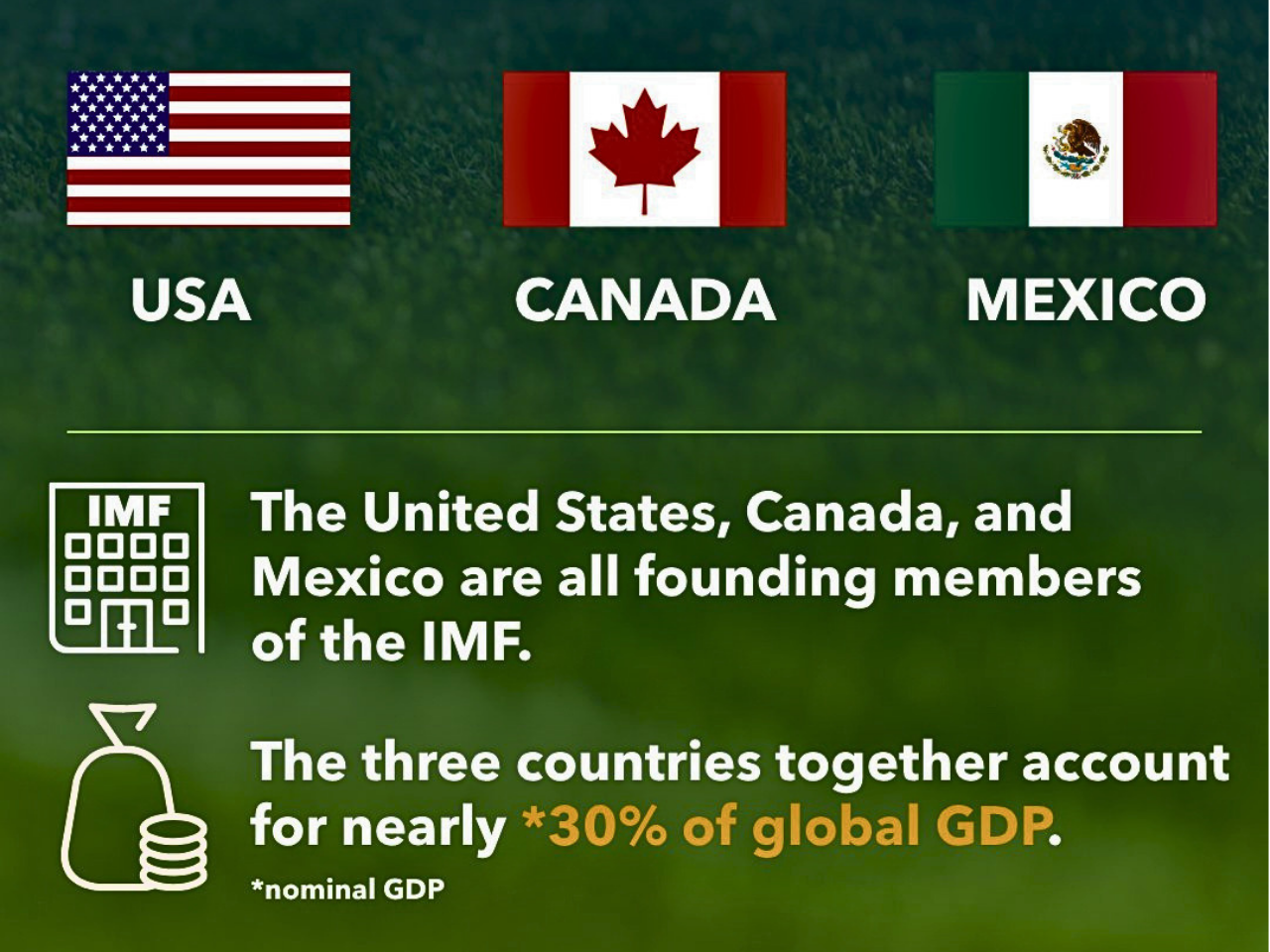
The image represent the FIFA world cup 2026 Economic Impact

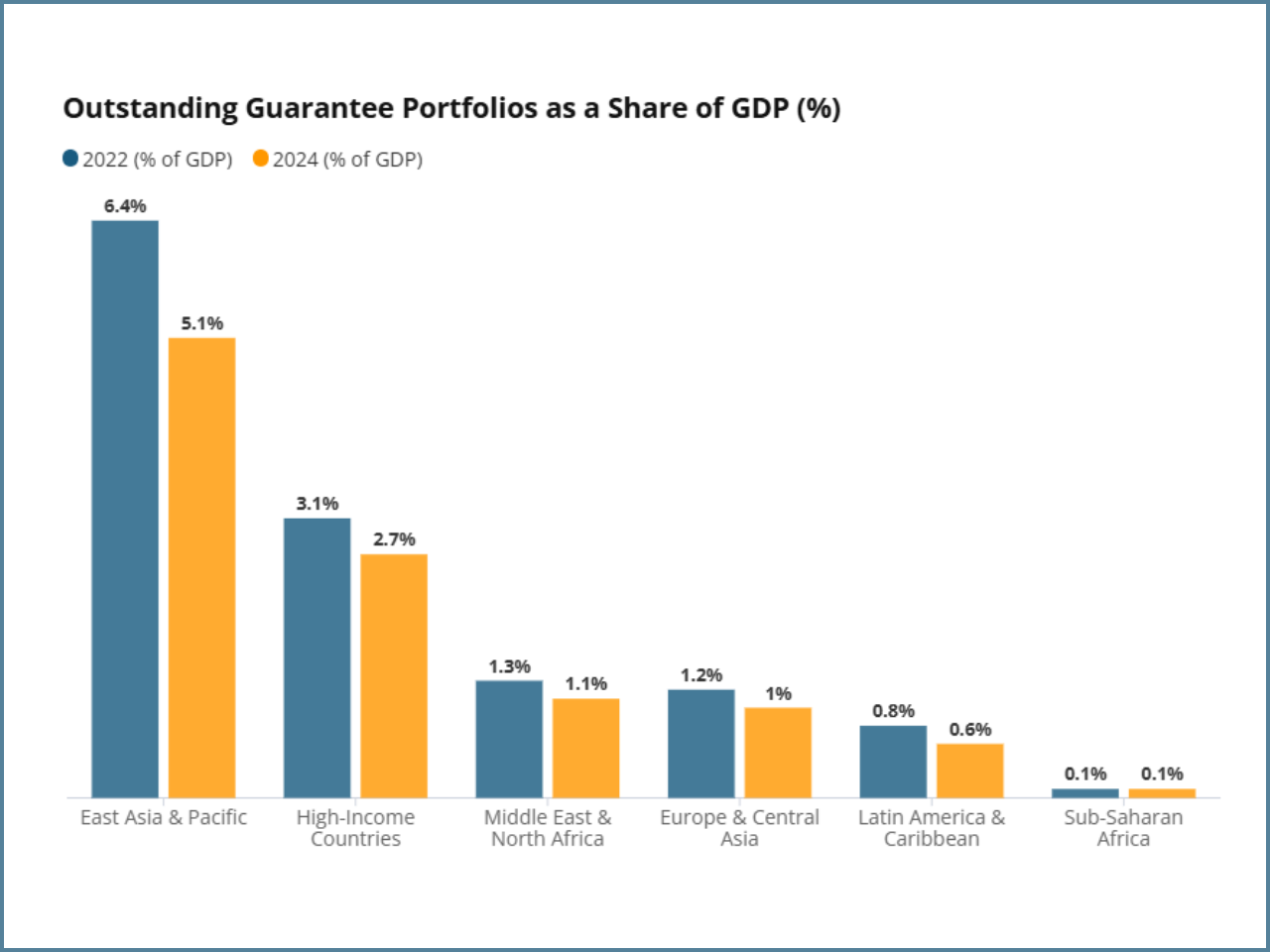
The graphrepresent the SMEs finacial gap

Read More From News >>>

Latest Explained
The image represent the hunger crisis
Explained / June 23, 2026
From 15% to 90%: How Global Trade Standards Now Decide Which Economies Survive in the 21st Century

The World Development Report 2025 shows standards now govern 90% of global trade, up from 15% in the late-1990s. Developing countries face compliance barriers due to gaps in testing, regulation, and skills. Meeting quality, safety, and environmental standards is now essential for export competitiveness and access to global value chains.

The image represent the hunger crisis
Explained / June 20, 2026
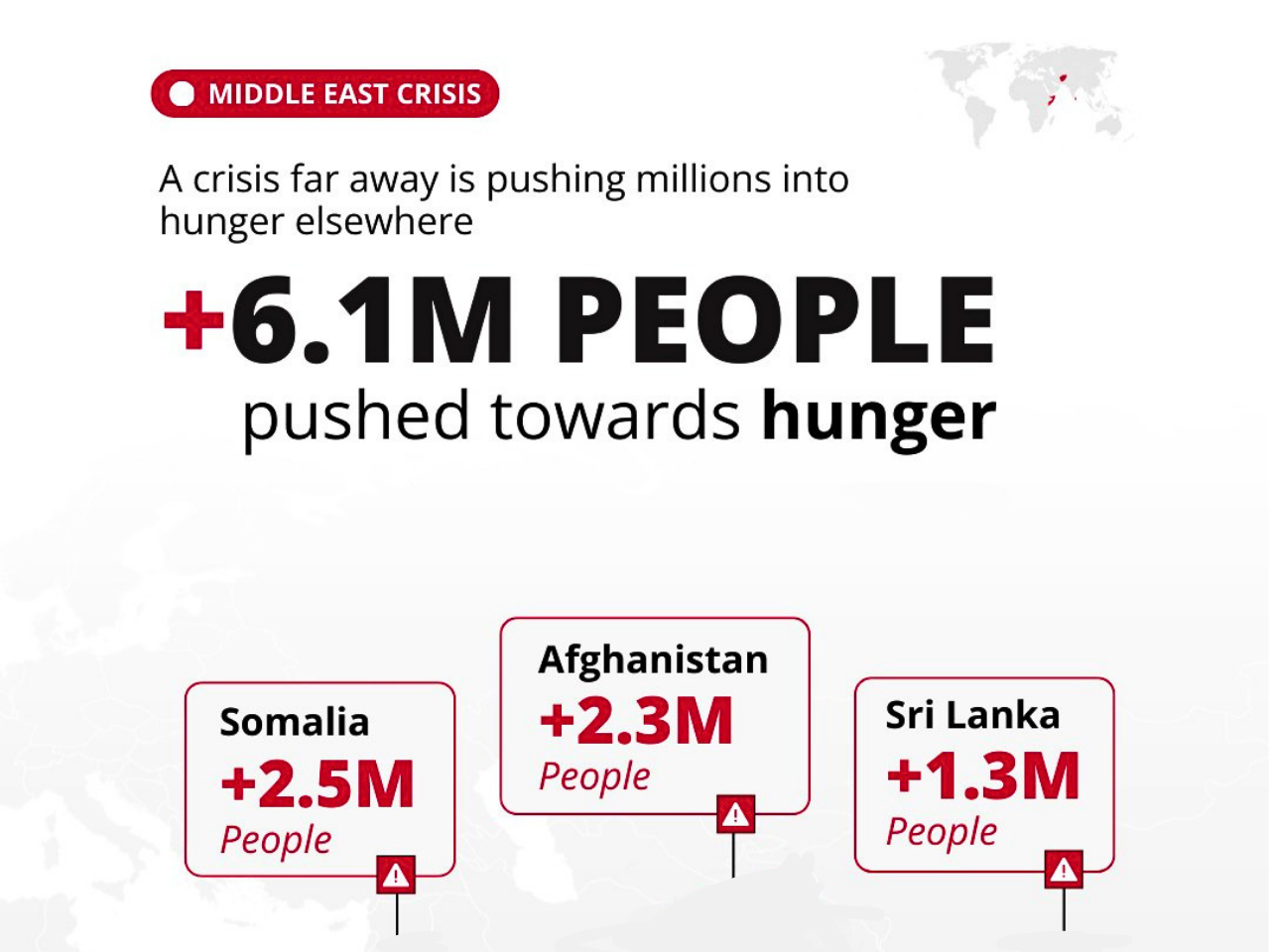
WFP 'War Shock' Reality: Middle East Crisis Pushes 2.5M More in Somalia, 1.3M in Sri Lanka, 2.3M in Afghanistan Into Acute Food Insecurity as Oil Holds Above $100 Per Barrel

Three months after the UN World Food Programme warned Middle East conflict could push millions into starvation, the 'war shock' is reality. WFP's report finds 2.5M more people in Somalia, 1.3M in Sri Lanka, and 2.3M in Afghanistan in acute food insecurity as oil holds above $100/barrel.

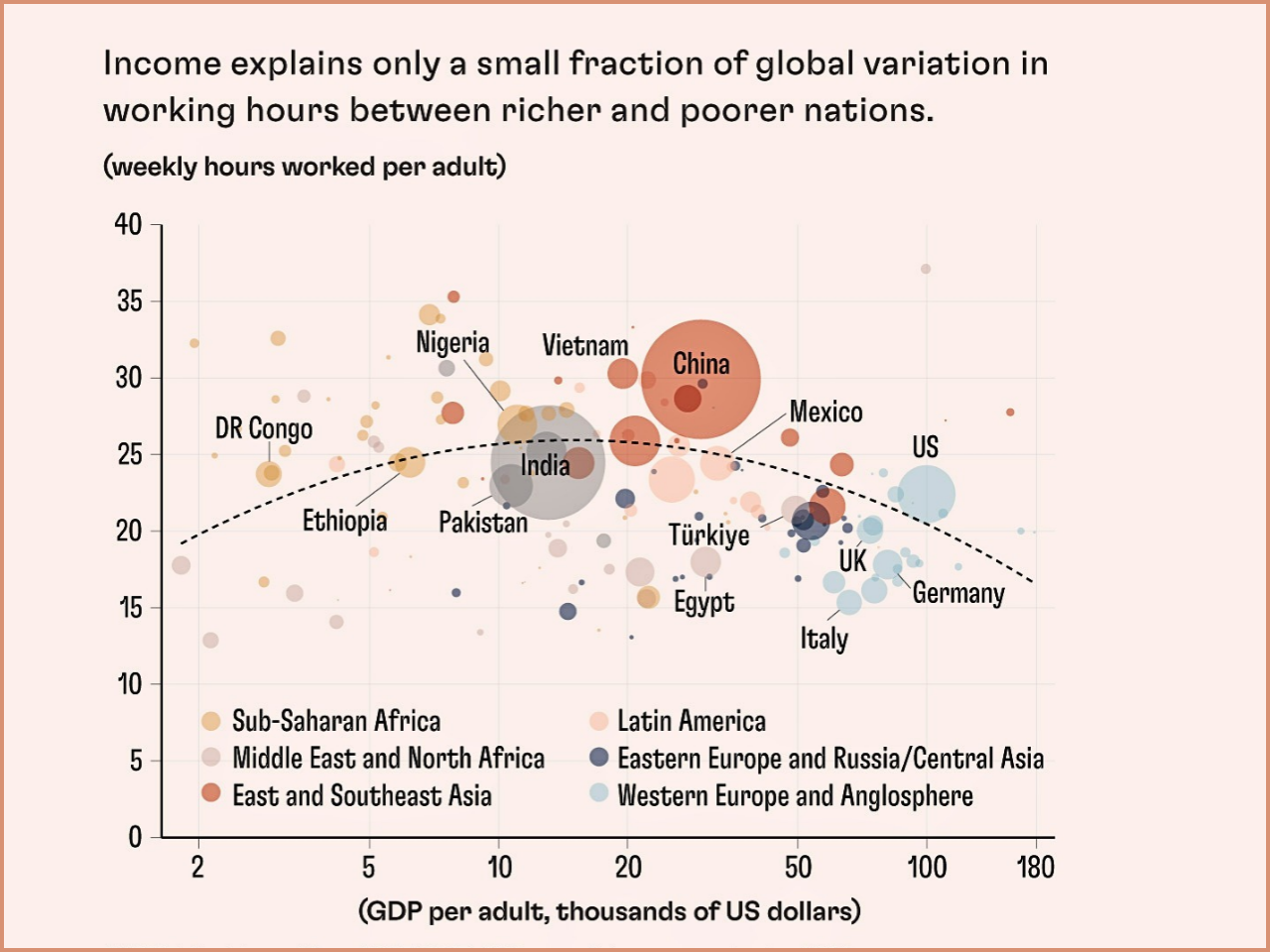
The graph represent the working and wealth data world over
Explained / June 18, 2026
Keynes Predicted 15-Hour Workweeks. Reality: 43 Hours. New 160-Country Study Debunks the Prosperity-Less Work Myth

A massive 160-country study by Amory Gethin and Emmanuel Saez finds no evidence that longer working hours mean higher prosperity. 59% of adults 15+ work 43 hours/week, men do two-thirds of world work hours vs women’s one-third, and policy decisions on education, retirement, labor law drive work patterns more than income or market forces. Keynes’ 15-hour prediction remains unmet.

- Advertisement -

Latest Audio Edition

Read More From Blog >>>


- Advertisement -