World News

1 Billion Young Workers, 1 Chance: Why Digital Inclusion Will Decide Economic Growth in Developing Countries

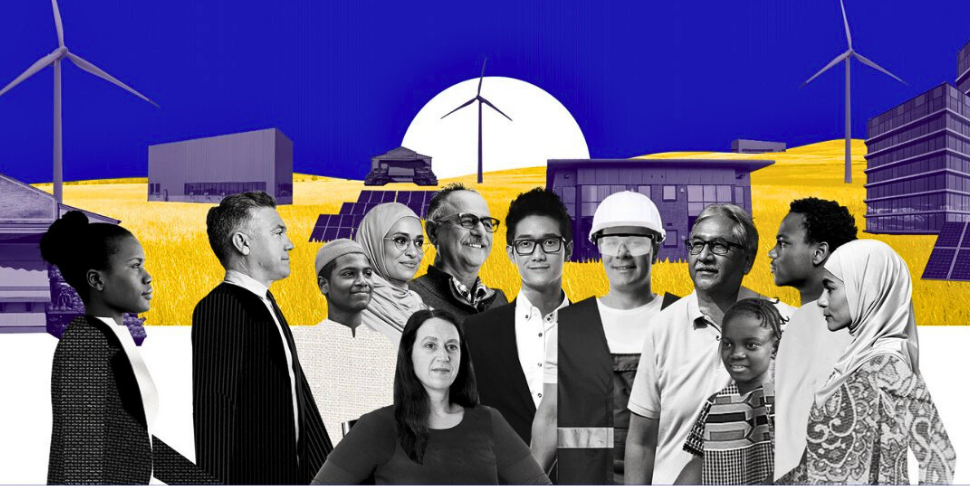
The Image represent DigitalInclusionInitiative-1BillionYoungWorkers-FutureWork
Image source: International Finance Corporation (IFC)

Over 1 billion young people in developing countries will look for work in the coming decade, and this is an economic opportunity like no other but also a massive risk if the world doesn’t make significant progress on digital inclusion over the coming years. The workforce is already digital-first. Almost every job out there requires at least some basic computer literacy, digital tools, and connection. Unfortunately, in a large number of developing countries this isn’t the reality.

A significant proportion of young workers still face considerable barriers when it comes to accessing not only reliable internet but devices, too, and there is also little access to quality training that prepares workers for a modern labor market. Failing to close the digital divide will increase inequality and mean that a disproportionately large percentage of the developing world's young workers are pushed towards low-paid, precarious informal work. Widening access to affordable connectivity, building a strong education system that offers digital skills, and ensuring those skills are relevant are essential to unlocking massive employment opportunities for young people. The digital dividends of such a movement are substantial: this growing youth population would be the driver of enhanced productivity, it would attract more foreign and domestic investment, and it would enable developing countries to compete in a globalizing world economy.

This youth dividend is an enormous force in economic development that we must capture. The future of work is digital, and digital inclusion is the only way for countries to realize this opportunity and drive poverty reduction and prosperity.

Latest News
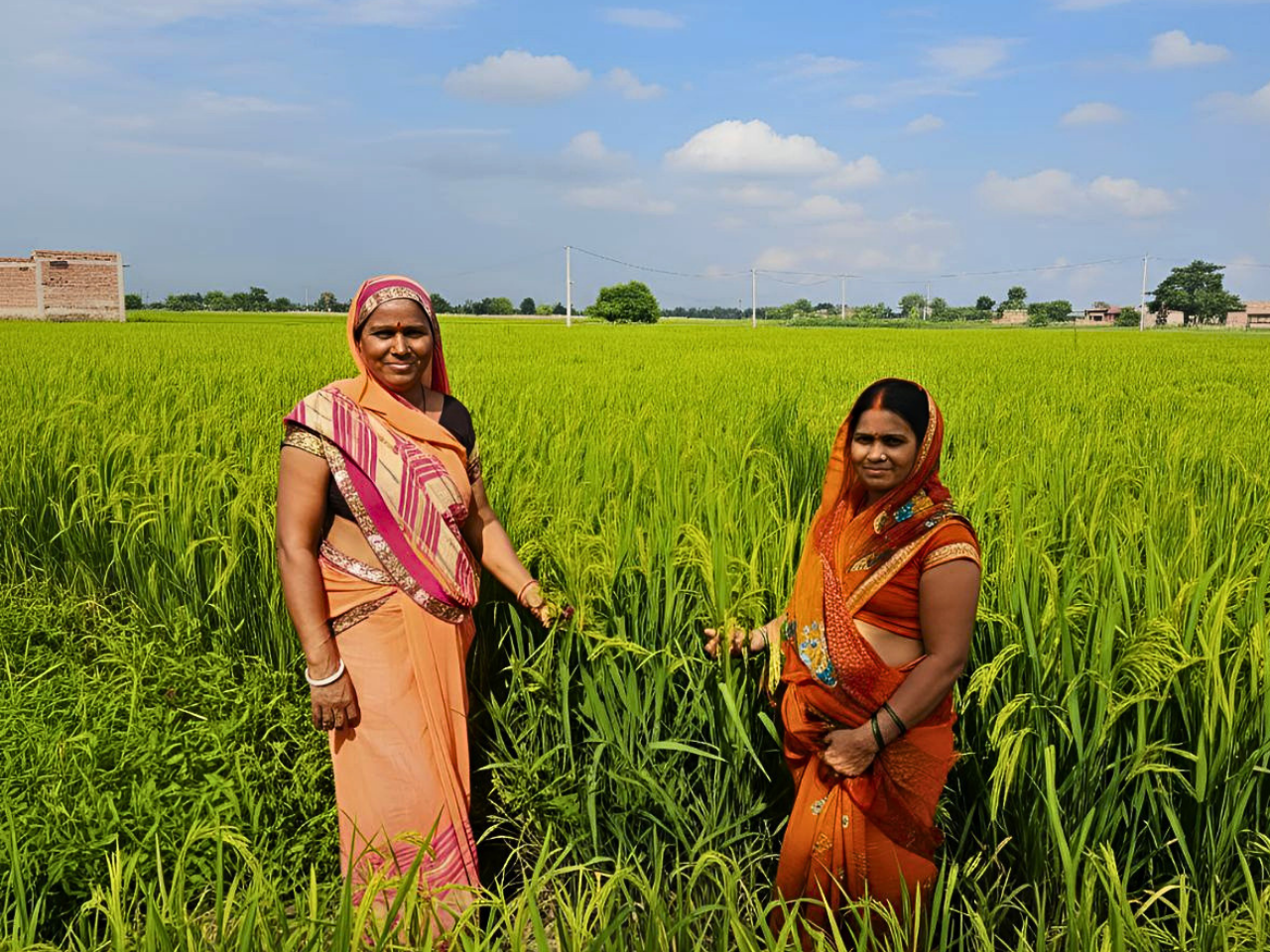
The image represent the agriconnect up farmer yield jumps

The image represent the youth hunger risk

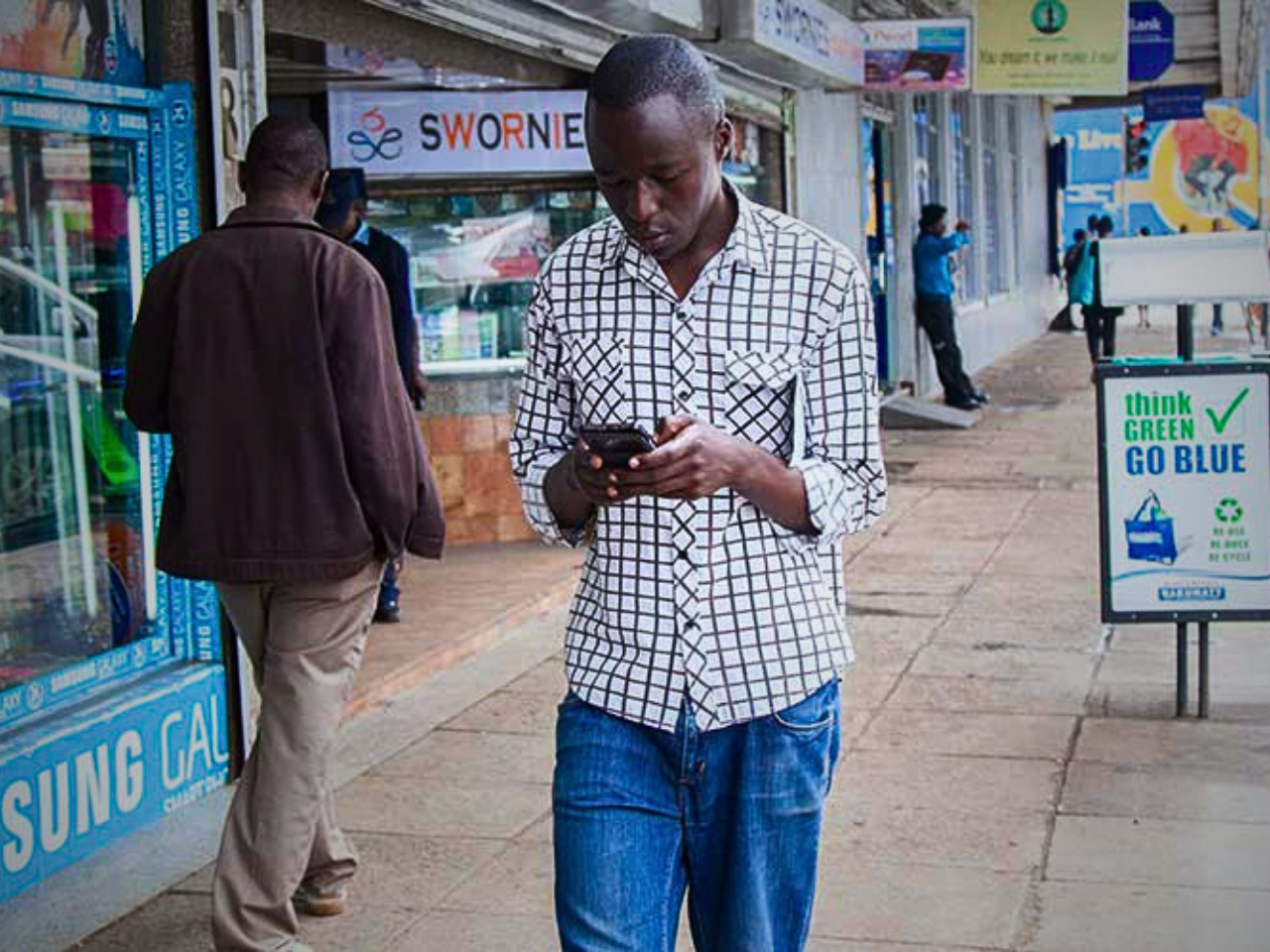
The image represent the youth internet use and socila medi impact

The graph represent New finance model to tackle poverty

The image represent the FIFA world cup 2026 Economic Impact

Read More From News >>>

Latest Explained
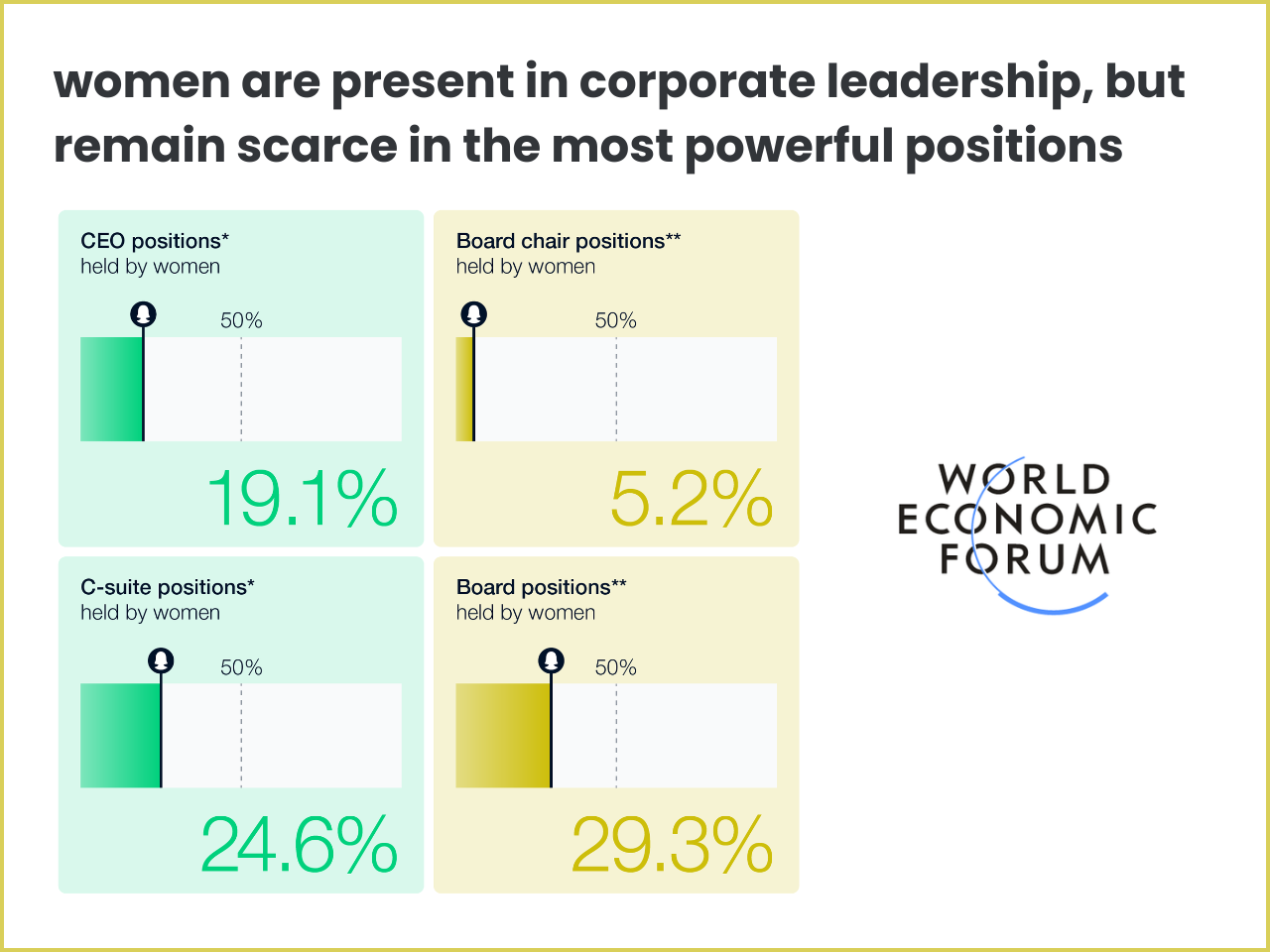
The image represent the women leadership gender equity in corporate
Explained / June 26, 2026
Women in top jobs stalled at 30%: 95% of boards now have 1 woman, but CEO seats stay at just 19%

World Economic Forum June 2026 report finds women’s share in leadership rose from 27% to 30% in 10 years and board seats doubled to 29%, but hiring for C-suite and CEO roles stalled since 2022. Only 19% of CEOs are women as structural barriers like limited career paths, skewed networks, career breaks, and biased evaluations persist.

The image represent the hunger crisis
Explained / June 23, 2026
From 15% to 90%: How Global Trade Standards Now Decide Which Economies Survive in the 21st Century

The World Development Report 2025 shows standards now govern 90% of global trade, up from 15% in the late-1990s. Developing countries face compliance barriers due to gaps in testing, regulation, and skills. Meeting quality, safety, and environmental standards is now essential for export competitiveness and access to global value chains.

The image represent the hunger crisis
Explained / June 20, 2026
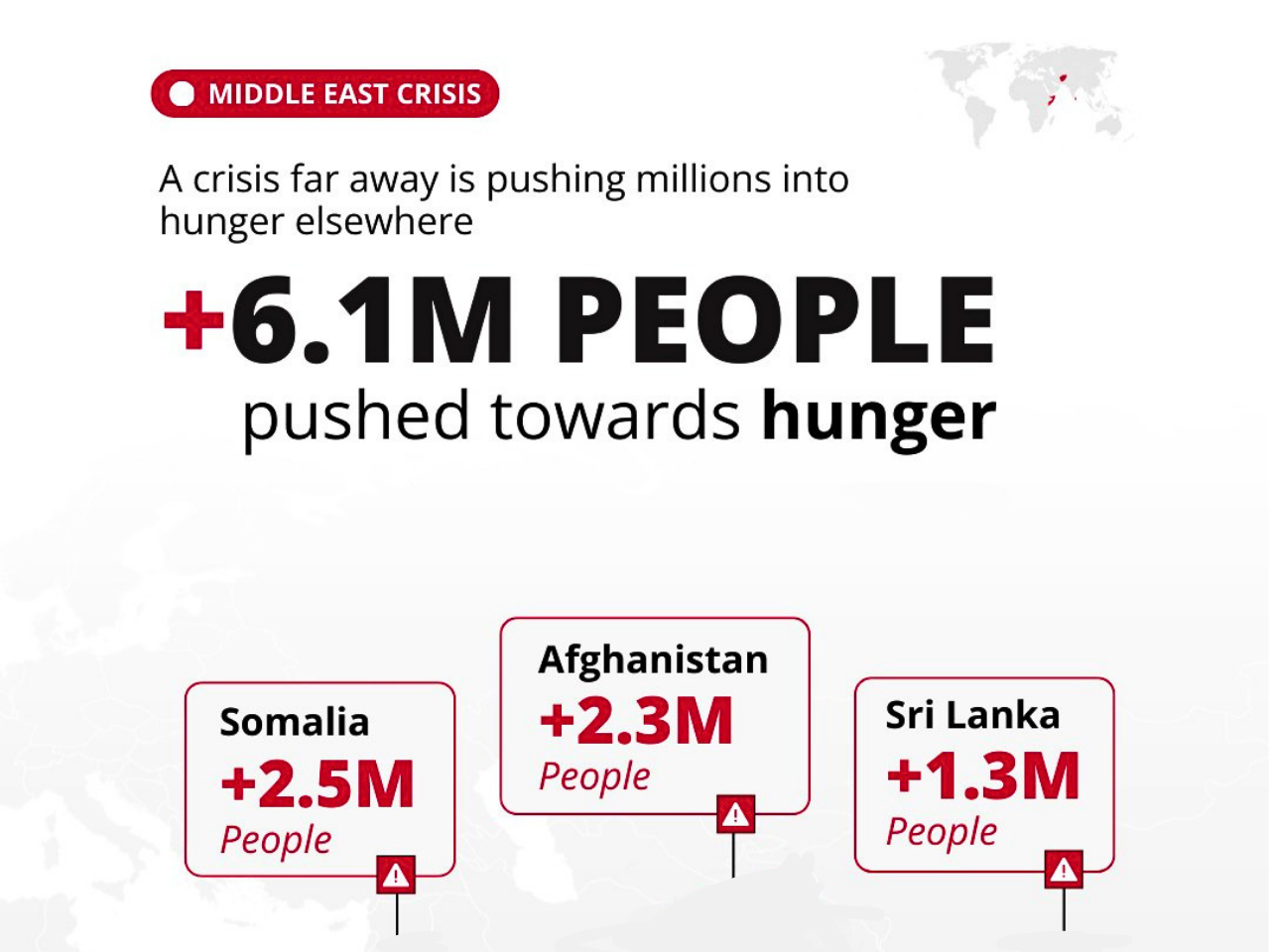
WFP 'War Shock' Reality: Middle East Crisis Pushes 2.5M More in Somalia, 1.3M in Sri Lanka, 2.3M in Afghanistan Into Acute Food Insecurity as Oil Holds Above $100 Per Barrel

Three months after the UN World Food Programme warned Middle East conflict could push millions into starvation, the 'war shock' is reality. WFP's report finds 2.5M more people in Somalia, 1.3M in Sri Lanka, and 2.3M in Afghanistan in acute food insecurity as oil holds above $100/barrel.

- Advertisement -

Latest Audio Edition

Read More From Blog >>>


- Advertisement -